Virtual IOP Near Me: Remote Intensive Outpatient Care for Busy Working Adults in NJ
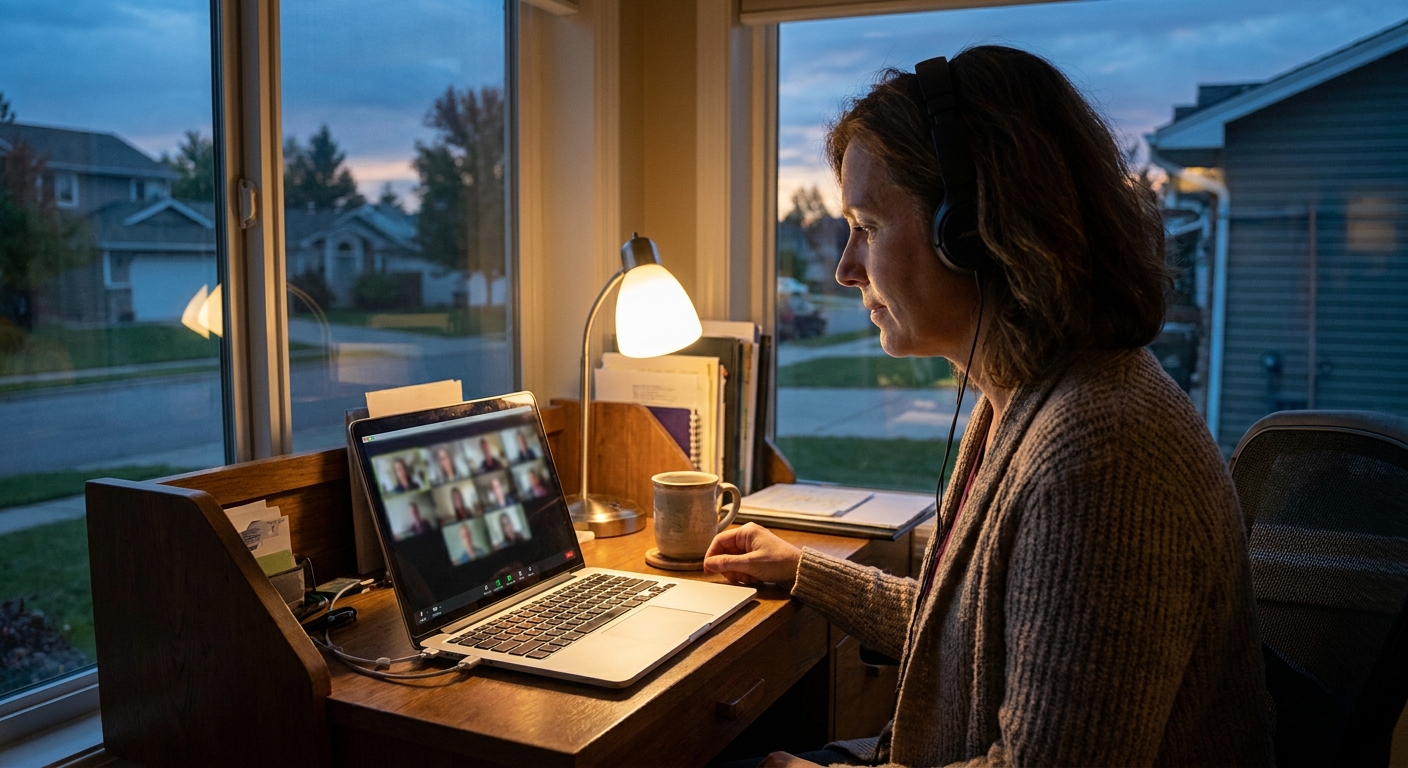
You’re sitting in your car outside the office at 8:45 AM, logged into your laptop for a telehealth group session before your workday starts, or you’re home after dinner connecting to evening IOP while your partner handles bedtime. This is what virtual intensive outpatient treatment can look like for working adults who cannot disappear for 30 days but may need more than once-a-week therapy. If you have been typing “virtual IOP near me” into a search bar at midnight, worried that getting help might mean risking the job, the income, and the routine you have fought to hold together, this article walks you through exactly how remote intensive outpatient care works and how Resilience Recovery Center in Fair Lawn, NJ builds it around your real life instead of on top of it.
What a Virtual IOP Near Me Actually Means When You Cannot Leave Work
Virtual IOP is intensive outpatient treatment delivered through secure video sessions instead of in a building, at a similar clinical intensity a person might receive in person. Resilience Recovery Center operates virtual IOP as an intensive outpatient program with full state licensure, delivering treatment through HIPAA-compliant video platforms that meet federal telehealth security standards.
That distinction matters, because “virtual treatment” gets used loosely. Some programs mean a weekly video check-in, and some mean a library of recorded lessons you watch on your own. Intensive outpatient is a defined level of care, not a loose label. It sits above standard weekly therapy and below residential treatment, designed for people who may need real structure and clinical hours but who are stable enough to live at home, keep working, and stay connected to family. The word intensive refers to the number of clinical hours and the coordination behind them, not to how hard the program feels.
Think of it this way. In-person IOP asks you to drive to an office and sit in a room, while virtual IOP moves that same room onto a screen, with licensed clinicians, a live group, and an individualized treatment plan. The federal telehealth guidance from HHS reflects how widely this delivery model has expanded across behavioral health, and Medicare now recognizes intensive outpatient program services as a covered level of care. What you are choosing is not necessarily a lighter version of treatment. You are choosing a similar structure in a format that does not require you to explain a daily disappearance to your employer.
How Do 15 Hours of Treatment Fit Around a Full-Time Job?
Fifteen hours a week, spread across five days, three hours a day. Resilience Recovery Center runs virtual IOP Monday through Friday with a morning track from 9:00 AM to 12:00 PM or an evening track from 6:00 PM to 9:00 PM, so you may be able to hold a full-time job during the day and attend treatment around your schedule.
The evening track is the piece many working adults do not know exists. If you commute into New York City or work a standard day at one of the employers along Routes 4 and 17 in northern NJ, you might finish your shift, get home, eat, and log in at six. Three hours later you are done, and you have not missed a single hour of work, taken a suspicious block of PTO, or fielded questions from a manager about where you keep going. For someone who has spent months quietly protecting a functioning life, that structure may remove a significant barrier to calling.
Consistency is the reason the schedule is built this way. Recovery often responds to repetition, to showing up regularly, to having the same clinicians and the same peers track your week with you. That structure can help you add tools to your skill set, session by session, instead of relearning the same lesson every seven days.
The model also flexes. One client at Resilience uses telehealth for his individual sessions during the week and attends group in person on his day off, a hybrid arrangement coordinated with the clinical team based on what his treatment plan needs. You are not locked into one format for the duration. As your work schedule shifts or a project deadline lands, the team can adjust where and how you attend, so the treatment may move with your life rather than fighting it.
Who Delivers Your Virtual Sessions, and What Are Their Credentials?
The people on the other side of the screen are licensed clinicians, not general coaches or contractors. Virtual IOP at Resilience Recovery Center is led by Clinical Director Tammy Nussbaum, LCADC, CCS, who brings 20 years of experience, and delivered by a multidisciplinary team of specialists.
That team includes dual-licensed therapists holding LCADC, LAC, and LSW credentials, a Medical Director who is an MD and psychiatrist, CADC counselors, Certified Peer Recovery Specialists, a Certified Case Manager, and a Pastoral Counselor. One staff member is a CDADC who is also a certified nutritionist, neuroscience coach, life coach, and peer recovery specialist. This range matters in a remote model, because whole-person care depends on the same coordinated team reaching you through the screen that would reach you in a building.
When you are comparing remote programs, credentials are the clearest signal of what you are actually considering. A recovery specialist who has lived it may bring something a textbook cannot. A psychiatrist as Medical Director means medication decisions are made by a physician, not delegated. A Certified Clinical Supervisor leading the program means the clinical work is being overseen, not left to run on autopilot. In the interest of transparency, Resilience is not yet CARF or Joint Commission accredited and is actively pursuing national accreditation, while its state licensure through the New Jersey Department of Health already sets the regulated standard its virtual sessions must meet. Ask any program you are considering to name these credentials plainly. If they cannot, that tells you something.
Will You Lose Your Job If You Enter Treatment?
This is the fear that keeps many working adults from calling, and the honest answer is that treatment is for a medical condition, and the case management team can complete the FMLA and temporary disability paperwork designed to help protect your job while you focus on recovery. You may not have to choose between getting help and keeping your income.
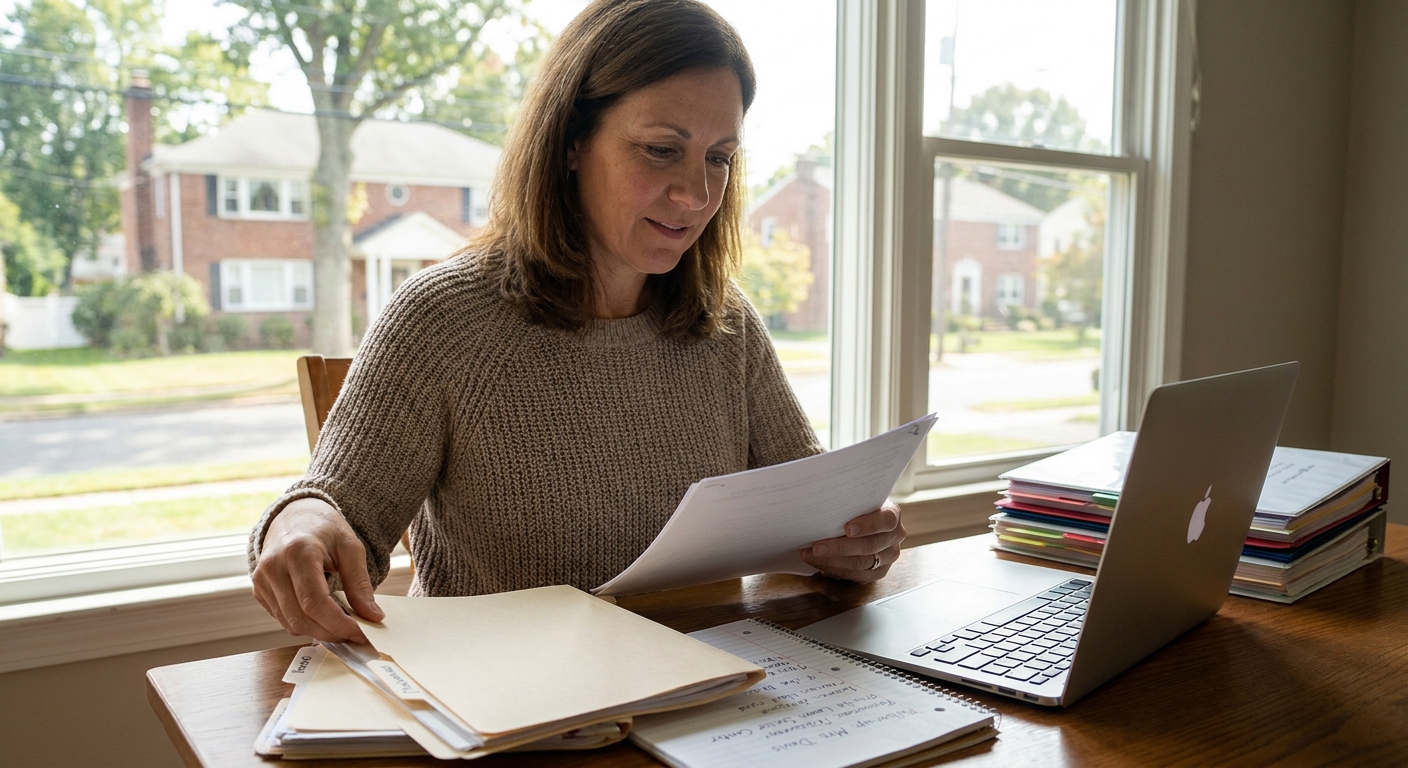
Here is how it worked for one client we treated. He walked in terrified he would lose his job the moment anyone found out. The team completed his FMLA paperwork, which he submitted to HR, and it granted him 90 days of protected leave. They also filed his temporary disability paperwork for that same 90-day window, so income kept coming in while he was out. The Medical Director reviewed the FMLA forms to follow protocol, and the case manager coordinated the entire process with HR. When he was ready to return, his job was still there.
The Family and Medical Leave Act exists for situations like this. The U.S. Department of Labor’s FMLA provisions may protect eligible employees who need leave for a serious health condition, and a substance use disorder treated by a licensed provider can qualify. Many people never learn this because no one walks them through the paperwork, and Resilience does. What terrifies you on the front end (the conversation with HR, the forms, the fear of exposure) becomes a coordinated administrative process handled by people who have done it before. This is a judgement free zone, and the goal is to help support your transition back into your working life, not to create a harder fall out of it.
What Do You Actually Do in a Virtual IOP Session?
You participate in live clinical work, not recorded videos or passive check-ins. A three-hour virtual IOP session at Resilience includes live group therapy with peers, individual counseling by telehealth, Medication-Assisted Treatment coordination with the Medical Director, case management calls, and psychiatric oversight, all delivered in real time through secure video.
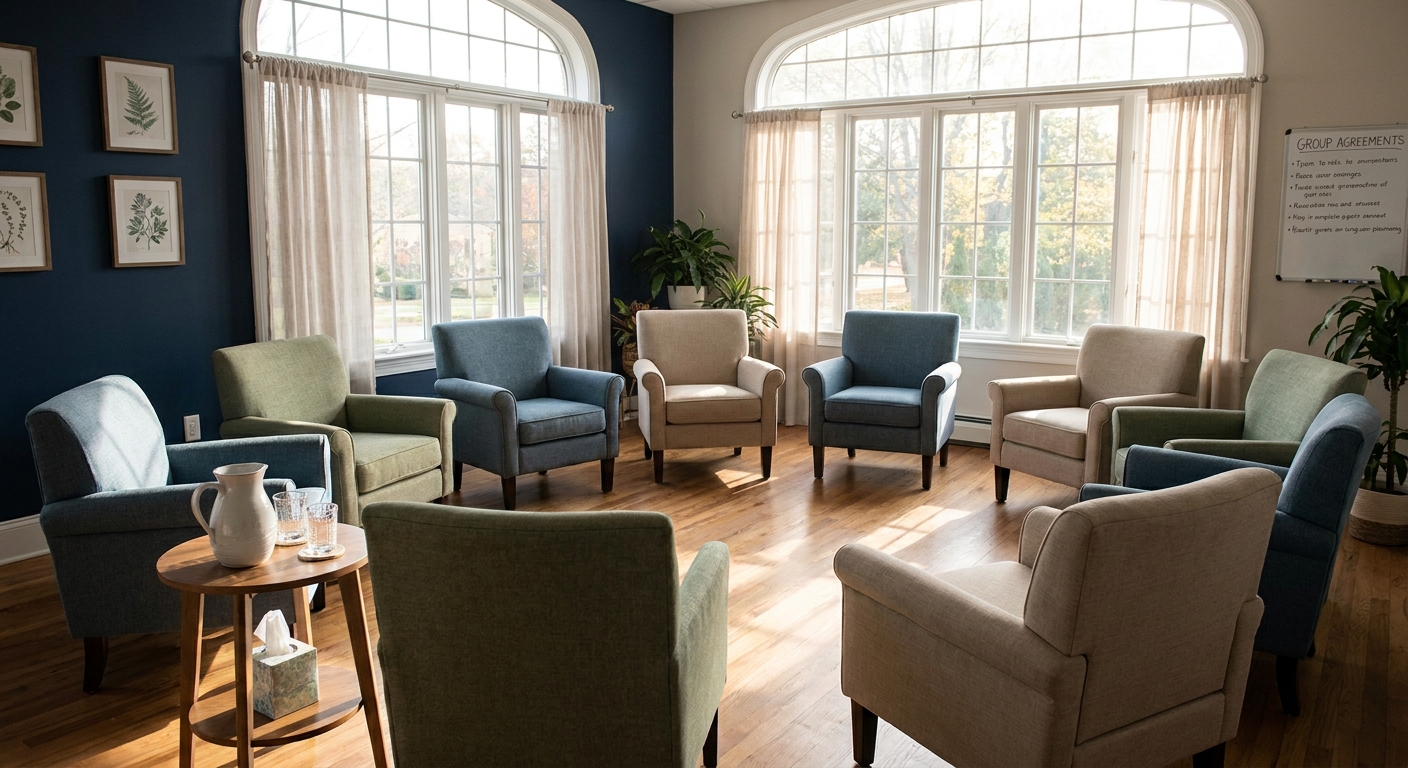
Group is a core part of the work. You join the same people week after week, on camera, processing the cravings, triggers, and real world stressors that show up when you are still living your normal life. That is one advantage of an outpatient model over stepping away entirely. You hit a hard moment at work on Tuesday and you are back in group Wednesday morning working through exactly what happened, not describing it weeks later from memory. The lessons may attach to your actual life because you are still in it.
Around the group sits the rest of the clinical picture. Individual sessions give you one-on-one time with your therapist to go deeper on the personal history behind the substance use. MAT coordination means that if medication is part of your plan, the Medical Director oversees it and the team keeps the medical side aligned with the therapeutic side, so nothing falls through a gap. Psychiatric oversight can address co-occurring conditions, because depression, anxiety, and trauma frequently travel alongside a substance use disorder, and addressing only one may leave the other to undermine your progress. Everything happens on a schedule, with real people, in real time.
What You Need Before Your First Remote Session
You need three things: a device with a camera and microphone, a stable internet connection, and a private space where you can speak honestly without being overheard. The facility provides the secure telehealth platform, so there is no complicated software to buy or install.
The private space requirement is the one people underestimate. Virtual IOP is confidential clinical work, and group sessions ask you to speak openly about difficult parts of your life. A parked car in a quiet spot, a spare room, or a home office after the house settles for the evening can all work. What does not work as well is trying to participate from an open kitchen while family moves through, or from a desk where a coworker can hear. If the evening track is your plan and you have young children, think through childcare for those three hours the same way you would plan for any evening commitment, because active participation is the whole point.
That word active matters. Remote IOP is not something you leave running in a background tab while you answer emails. It is live group and individual work, cameras on, engaged with clinicians and peers. Every session at Resilience begins with a check-in where each participant names what they are bringing into the room that day, and the clinician builds the session’s focus from what the group actually needs. That responsiveness only works when everyone shows up present. If you can commit a private hour block five days a week and show up ready to work, the technical bar is genuinely low. The center’s intake team walks you through the setup before your first session so nothing catches you off guard on day one. For anyone still searching “virtual IOP near me” and wondering whether their home setup is adequate, this is usually the reassurance they need.
The Support That Follows You Off the Screen
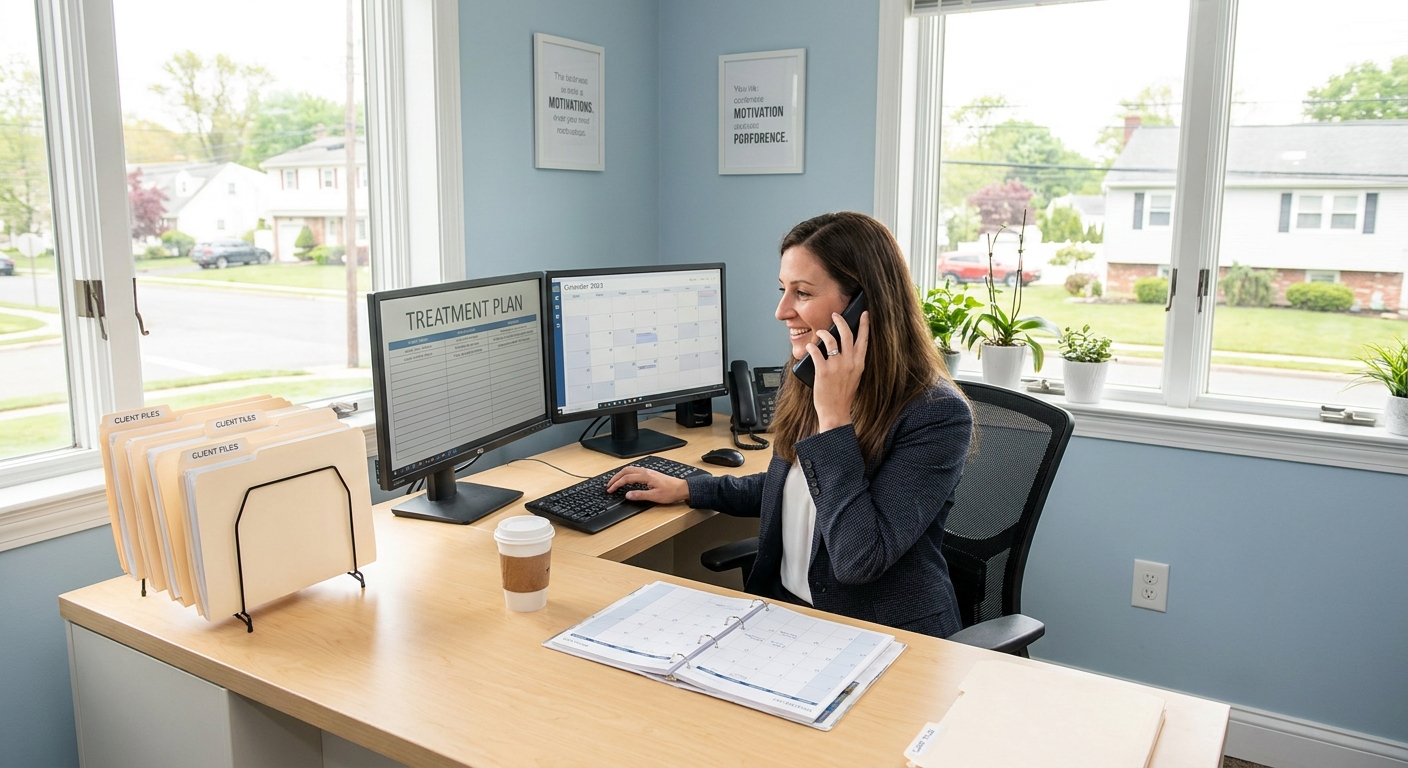
Virtual IOP at Resilience does not end when the video call closes, because the whole-person support that surrounds in-person clients extends into the remote model. Housing network coordination, job placement and vocational services, legal coordination, nutrition guidance, neuroscience-informed recovery strategies, and benefits and insurance assistance all reach you through case management calls, secure messaging, and scheduled telehealth appointments.
This is what separates coordinated care from a stack of siloed services. Recovery can be challenged by gaps: the court date no one prepared documentation for, the eviction notice that arrived mid-treatment, the job that fell through, the benefits paperwork that never got filed. Resilience treats those practical pressures as part of the clinical picture, not as someone else’s problem. If you have a legal obligation tied to your recovery, the team coordinates the documentation. If your housing is unstable, the recovery-oriented living network is part of the plan. If you need to rebuild employment, vocational support is built in.
The point of designing treatment for working adults is to let you keep the life you have been holding onto while you work on getting well inside it. Recovery that ignores your job, your family, and your obligations may collapse the moment those pressures return. Sustainable recovery is often built the opposite way, by keeping you standing in your real world with more support around you, not by pulling you out of it. That is the difference between getting you through a program and helping you get back on your feet. We are here to support you every step of the way.
Frequently Asked Questions
How many hours per week is virtual IOP and when are the sessions?
Virtual IOP at Resilience Recovery Center runs 15 hours per week across five days, Monday through Friday, three hours per day. You choose a morning track from 9:00 AM to 12:00 PM or an evening track from 6:00 PM to 9:00 PM.
Can I do virtual IOP while working a full-time job?
Yes. The evening track from 6:00 PM to 9:00 PM is designed for working adults, so you can work your normal day and attend treatment afterward. If you need protected leave, the case management team can coordinate FMLA paperwork with your employer.
Is virtual IOP covered by insurance the same way as in-person treatment?
Resilience delivers virtual IOP under the same New Jersey Department of Health and DMHAS licensure that governs its in-person care, and the center accepts BCBS, Aetna, Cigna, and UHC. Call to verify your specific plan’s coverage for intensive outpatient telehealth.
What credentials do the therapists have in virtual IOP?
The clinical team includes dual-licensed therapists (LCADC, LAC, LSW), a Medical Director who is an MD and psychiatrist, CADC counselors, Certified Peer Recovery Specialists, and a Certified Case Manager, led by Clinical Director Tammy Nussbaum, LCADC, CCS.
Do I need special equipment or software for virtual IOP sessions?
You need a device with a camera and microphone, stable internet, and a private space for confidential sessions. The facility provides the secure telehealth platform.
Can I switch between virtual and in-person sessions if my schedule changes?
Yes. Some clients use a hybrid model, attending individual sessions virtually and group in person on days off, coordinated with the clinical team based on your treatment needs.
If you have been searching “virtual IOP near me” and putting off the call because you cannot picture how treatment fits around work, this is the step that may answer that question without committing you to anything you fear. Call Resilience Recovery Center in Fair Lawn, NJ today to verify your insurance coverage for virtual IOP and schedule an intake assessment, so the team can determine whether the morning or evening track fits your work schedule and start the FMLA paperwork before you ever have to worry about the conversation with HR.
Take the First Step From Wherever You Are
If you’ve been putting off treatment because you can’t imagine fitting it into your work schedule, virtual IOP might be the bridge you’ve been looking for. Resilience Recovery Center in Fair Lawn, NJ designs remote intensive outpatient programs around the realities of working adults who need real support without stepping away from their responsibilities. Call now to speak with our team about how virtual care can work for your situation.
Call Resilience Recovery Center
Individual experiences with treatment vary based on personal circumstances, commitment, and many factors unique to each person.