
Expertise provided by Ivan Kavunik, Owner
Your manager expects you at 8:00 AM, your kids need you home by 5:30, and the mortgage is due in twelve days. Then the therapist recommends intensive outpatient treatment, and it sounds like code for “quit your job and hope it’s still there when you get back.” Evening IOP at Resilience Recovery Center in Fair Lawn, NJ was built for exactly this conflict: you need real treatment, and you cannot pause your life to get it.
You have probably been running the numbers for weeks. How many sick days are left, what you would tell your boss, who would cover your shifts, what happens to the house if the paycheck stops. Asking for help can feel like tipping the first domino. Say it out loud, and everything you have been holding together might start to slide.
Maybe you are not the one who needs treatment. Maybe you are the spouse or parent watching someone you love keep showing up to work while quietly coming apart at home. You have been covering for them, making excuses, and holding the household together alone. You may be afraid they will refuse because admitting the problem feels like admitting they failed. Or you have been through treatment with them before, and you are not sure you can survive another round of hope and disappointment. Those fears make sense. This page is for you too, because the first call is often made by the person who loves them most.
That fear of losing everything shaped how Resilience Recovery Center built its program. The team looked closely at why people drop out of treatment even when they want help. Usually they have not stopped caring. Real life gets in the way: work, kids, rides, rent. So the program was designed around that reality, on a simple belief. Recovery has to work on a regular Tuesday, when you have a job to get to, bills to pay, and stress to handle, not only inside a treatment room.
Below, you will find how the Resilience Recovery Center evening program runs, what happens when your schedule changes, how your job can be protected if evenings stop being enough, and how to start this week without asking for a day off.
What does evening IOP in Fair Lawn, NJ actually look like on a work night?
Evening IOP at Resilience Recovery Center is three hours of structured group treatment, from 6:00 PM to 9:00 PM, after your workday ends. A typical week is Monday, Tuesday, and Thursday at 22-10 NJ-208 Suite 2 in Fair Lawn. Individual therapy, case management, and medical appointments are scheduled around your daytime job.
As Ivan Kavunik, Owner of Resilience Recovery Center, puts it: “A typical week is Monday, Tuesday, and Thursday from 6:00 PM to 9:00 PM, so someone can work a normal daytime schedule and come to treatment afterward. Each evening gives them three hours of structured programming, and then we schedule their individual session around their availability so we’re not unnecessarily interfering with their job.”
IOP stands for intensive outpatient program. One plain way to think about it: weekly therapy is a check-in, and IOP is more like a training block. You show up several times a week, often enough for new skills to stick, and then you go home every night and use them at work, at dinner, and in traffic on Route 208. You never move into a facility, and you sleep in your own bed. SAMHSA’s clinical guide to intensive outpatient treatment describes this level of care as structured treatment that people receive while they keep living at home and keep up with work and family. That matters when stepping away is not an option.
The hours are designed to fit around a full-time job. Three evenings a week adds up to nine hours of group. If your clinical team sees that you need more structure, a five-day schedule raises the program to 15 hours a week. A morning track at Resilience Recovery Center also runs from 9:00 AM to 12:00 PM, which can help if you work nights or a rotating shift. Every session lasts three hours, whichever track you are on.
Your individual session is the part of the schedule that moves. The Resilience Recovery Center team tries to place it outside the group block: before the 6:00 PM group starts, on a day you have off, or through telehealth. They avoid pulling you out of group to fit it in, because then you miss programming you are supposed to receive. Psychiatric appointments, medication management, case management, and MAT coordination follow the same rule and fit around your job whenever possible.
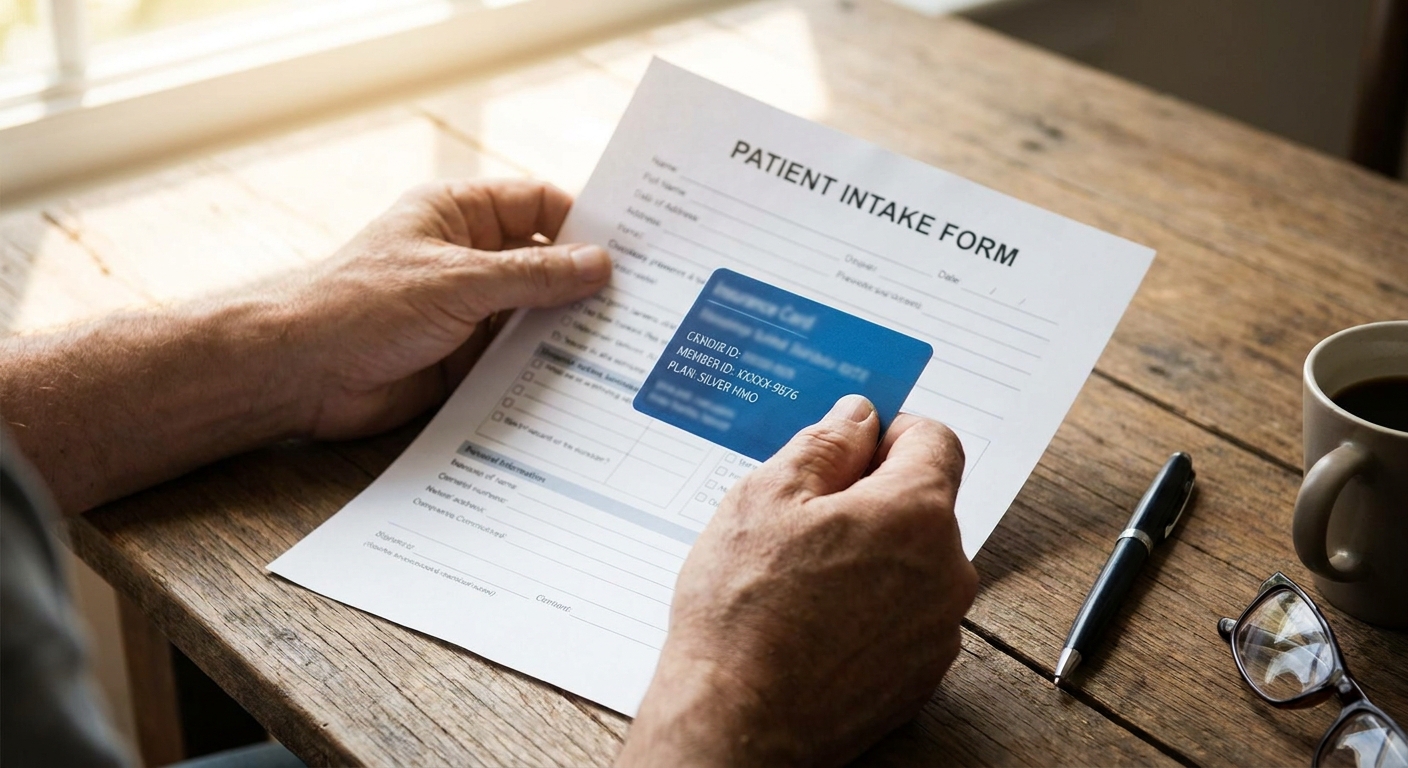
Coverage matters too. Resilience Recovery Center accepts BCBS, Aetna, Cigna, and UHC, which are common employer-sponsored plans. Benefits vary from plan to plan, so the team verifies yours before you start. For Fair Lawn residents, the drive after work is short. You leave the office, grab something to eat, sit down in group by six, and get home a little after nine. Your morning looks the same as it does now, and no one at work sees a gap in your calendar.
What happens when your shift changes and you can’t make group?
Schedules rarely stay put, so the Resilience Recovery Center program plans for change. You tell your team, and they rework the schedule with you before anyone treats it as a failure. Individual sessions, case management, and medical follow-ups can move to an off-day or to telehealth, while your required group hours stay protected.
Here is one example. A patient worked from morning into the night, and Fridays were his only day off, so evening groups were not possible. A rigid program might have told him to come back when things calmed down, and for many people that day never comes. Instead, the Resilience Recovery Center team built his treatment around the one open day he had. He attended a Friday group, and his individual and medical appointments happened through telehealth. His treatment never interfered with his job, so he did not have to choose between them.
Another patient’s work hours changed with no warning, and the new schedule started cutting into treatment. On paper, missed time can look like noncompliance, but the Resilience Recovery Center team did not stop there. They sat down with the patient to understand what had changed and what could realistically move. They kept the patient in the evening program so the job stayed intact, shifted the timing of the individual session, and had case management take over the scheduling work so the patient was not handling it alone. Throughout, the clinical team checked that the changes still met the patient’s treatment needs. Convenience never replaced the right level of care.
Honest flexibility also means being honest about its limits. Individual therapy, case management appointments, medical follow-ups, and other one-on-one services can usually move. The Resilience Recovery Center team can also look at whether another program schedule, such as the morning track, fits your new hours better. Some things cannot move. The team cannot shorten the required IOP programming, and it cannot keep pulling you out of group and still count the session as complete. If your job changes so much that you can no longer attend your prescribed level of care consistently, the team reassesses with you. That might mean a different schedule or, when clinically appropriate, a different level or frequency of care. This is not a punishment. It is how the team makes sure you receive the care you need rather than a watered-down version.
Long or irregular hours also wear down sleep. The CDC’s NIOSH training on work hours explains how light exposure sets the body’s internal clock, which helps explain why people who work into the night often sleep poorly. Your team at Resilience Recovery Center takes that into account, because a schedule that looks fine on paper but leaves you exhausted is not one you can keep. This is a judgement free zone. If you miss group because your boss changed the rotation, that is a scheduling problem, and scheduling problems can be solved.
Can you protect your job if evenings aren’t enough?
Sometimes the schedule is not the only pressure. Work itself becomes the threat. Often your job can still be protected, although it depends on your employer and your situation. When work stress starts to threaten your sobriety, case management at Resilience Recovery Center helps you weigh PTO, FMLA, workplace accommodations, and temporary disability, starting with the least disruptive option. The facility’s Medical Director reviews FMLA paperwork to make sure it follows proper protocol.
For most people, the first protection is the evening schedule itself. When treatment happens after work, your employer may never need to be involved. There is no HR conversation and no gap in your calendar. The Resilience Recovery Center team takes confidentiality seriously and does not call your employer or share anything about your treatment without your written authorization.
When a conflict does come up, case management works through options in this order:
- Adjust treatment around work first. Move an individual session, use an off-day, or find another time that does not compromise the treatment plan.
- Look at PTO. Decide whether a limited amount of paid time off makes sense for a short stretch.
- Explore FMLA or a workplace accommodation. This step applies when the conflict will continue or you need significant time away.
- Add temporary disability when appropriate. This can provide income during approved time away from work.
Eligibility is not automatic. Your case manager looks at your work hours, attendance requirements, how long you have been with your employer, the size of the company, the benefits you have, how much treatment you need, and how much you are comfortable sharing. The Resilience Recovery Center team does not make employment or legal decisions for you. They help you understand your options and figure out which questions to ask HR.
Discretion is built into the process. The situation is handled as a medical condition. You work with your case manager, the Medical Director reviews the paperwork, and you send it to your HR department yourself. Your case manager explains what documentation is required and what information actually needs to be shared, so you keep as much privacy as possible.
One patient came to Resilience while working, going to school, and managing an apartment alone. That was too many real world stressors at once for early recovery. In this individual’s case, the team filed FMLA paperwork that gave him 90 days off work and secured temporary disability for the same 90 days. They also placed him in sober living through the center’s housing network. For this patient, those 90 days meant his only job was his sobriety. It gave him time to stabilize without stepping away from the job he was trying to keep. Each person’s circumstances differ, and the structured support we arrange depends on individual needs and eligibility.
Is three hours after work real treatment, or just therapy-lite?
Protecting the job only matters if the treatment itself works, so this question deserves a direct answer. Evening sessions at Resilience Recovery Center use evidence-based approaches including CBT, DBT skills, motivational interviewing, relapse prevention, and trauma-informed care. MAT is coordinated alongside therapy instead of running separately.
In plain terms, each approach does a specific job. CBT, or cognitive behavioral therapy, helps you catch the thought that comes right before the drink or the pill. DBT skills help you get through a hard moment without making it worse. Motivational interviewing helps you sort out what you want and why, without anyone lecturing you. Relapse prevention maps your own high-risk situations, such as payday, an argument at home, or a stressful day at work. Trauma-informed care focuses on what happened to you, not what is wrong with you. Each one becomes another tool on your tool belt, and evening IOP lets you practice with those tools in the same week you are living your regular life.
The clinical team at Resilience Recovery Center has backgrounds in substance use and co-occurring mental health treatment. Clinicians use these approaches within their individual scope of practice and training, and the Clinical Director oversees clinical care. Medical and psychiatric providers handle evaluations and medication management, and the team coordinates MAT services with them. This combination matters because many working adults with a substance use disorder are also dealing with anxiety, depression, or trauma. NIDA’s principles of effective treatment stress that care works better when it addresses the whole person, including medical, psychological, social, and vocational needs, not only drug use.
MAT coordination at Resilience Recovery Center follows a set process. When you start, the medical provider receives the full picture: your substance use history, current medications, recent toxicology results, withdrawal or craving symptoms, medical history, and what the clinical team is observing. The prescribing provider then decides whether MAT is clinically appropriate and which medication makes sense. That plan is shared with your therapist, who watches for cravings, side effects, or behavior changes while continuing to work on triggers and coping skills. Case management handles the practical side, including the pharmacy, insurance, outside providers, and transportation. If something changes, such as a positive screen, missed doses, stronger cravings, or a relapse, that information goes back to the medical provider so the whole plan can be reassessed.
The program also reflects the founder’s long focus on how the brain, motivation, stress, and habit patterns connect, which is the basis for the center’s neuroscience-informed recovery strategies. The founder has years of hands-on experience in addiction treatment and was recently a guest on a recovery-focused podcast to talk publicly about getting sober and the work at Resilience.
If you, or the person you love, have tried to stop before and gone back, you are not starting over from zero. You are starting with information: what triggered the return to use, what fell apart, and which part of the old plan never fit real life. The Resilience Recovery Center team builds around that information.
Questions working adults ask before they call
Can I attend evening IOP in Fair Lawn, NJ if I work a regular 9-to-5 schedule?
Yes. The evening track runs from 6:00 PM to 9:00 PM, and a typical week is Monday, Tuesday, and Thursday. Your individual session and other appointments are scheduled around your daytime hours whenever possible, including before group, on an off-day, or through telehealth.
What happens if my work schedule conflicts with an evening IOP session?
Tell your team as early as you can. They can move individual sessions, use your off-days, offer telehealth for one-on-one appointments, or look at the morning track. If conflicts keep happening, the clinical team reassesses your schedule with you instead of simply marking you absent.
Will my employer find out I’m in treatment if I need FMLA?
The team does not contact your employer or share treatment information without your authorization. The Medical Director reviews the FMLA paperwork, the situation is handled as a medical condition, and you submit the forms to HR yourself. Your case manager helps you understand what information actually needs to be shared so you keep as much privacy as possible.
Does evening IOP include medication-assisted treatment?
Resilience coordinates MAT alongside your therapy. A medical provider evaluates whether medication is appropriate for opioid or alcohol use disorder. Medication management, counseling, and case management then work from the same plan rather than in separate lanes.
How long does evening IOP last for someone working full time?
There is no set calendar length. Your time in IOP depends on your clinical progress and goals, and the team reviews it with you regularly. When you are ready, you can step down to standard outpatient care and continuing care.
What insurance does Resilience Recovery Center accept for evening IOP?
Resilience accepts BCBS, Aetna, Cigna, and UHC. Benefits differ by plan, so the team verifies yours before you start. Case management can also help you work through benefits questions.
I’m calling for my spouse or adult child. Can I start the process for them?
Yes. Many first calls come from a family member. The team can walk you through insurance verification and what the program involves, and help you think through how to talk with your loved one about it. The person entering treatment will need to take part in the assessment and agree to care, but you do not have to figure out the first step alone.
How do you start evening IOP this week without asking for a day off?
Once the questions are answered, the first step is smaller than most people expect. You can start with one phone call during a break. In that call, you verify insurance and book an assessment around work hours. The Resilience Recovery Center team then builds the evening schedule before the first group, so the employer does not need to see any change.
Here is how it usually goes:
- Make the call. A lunch break or a few minutes in your car is enough. Share the work hours and any shifts that rotate.
- Verify insurance. Resilience accepts BCBS, Aetna, Cigna, and UHC, and the team checks your specific benefits so you know where you stand.
- Schedule the assessment. The team works to book it at a time that fits around the job.
- Build the schedule. Evening groups are set, and the individual session is placed before group, on an off-day, or by telehealth.
- Address practical barriers. Case management connects you with whatever support is needed to keep treatment on track.
That last step is what separates this program from therapy alone. Resilience Recovery Center made practical support part of the program itself, including job placement and vocational support, connections to recovery-oriented housing, transportation solutions, benefits and insurance assistance, and legal coordination. These supports are part of the care plan, not just a phone number you are handed. If the car breaks down, housing becomes unstable, or the job situation changes, someone is already working on it with you. This is whole-person care that respects your dignity and the real-world responsibilities you carry. It is designed to help people work toward sustainable recovery without stepping away from the life they are working to protect. And if you are the family member who has been carrying all of this alone, that part can end now. We are here to support you every step of the way.
Call Resilience Recovery Center at the number on this page to verify insurance, schedule an assessment, and confirm evening IOP availability this week without taking time off work. Before you call, write down the work schedule for the next two weeks, including any rotating or overtime shifts, along with the current PTO balance. With that list in hand, the team can build a realistic evening plan during the first conversation instead of guessing, and that one sheet of paper is often what turns “someday” into a start date.
Expertise and insights from
Ivan Kavunik, Owner
Take the Next Step Without Putting Your Life on Hold
If you’ve been putting off getting help because you can’t afford to step away from work or other responsibilities, an evening program might be exactly what you need. Resilience Recovery Center in Fair Lawn, NJ makes it possible to begin real recovery while maintaining the stability that matters to you. One conversation can help you understand how treatment can fit into your life as it is right now.
Call Resilience Recovery Center
Individual experiences with treatment vary, and examples described here represent individual experiences rather than typical outcomes.