
What a substance abuse counseling program really does
If you are looking for help with drugs or alcohol but are not ready or able to enter residential rehab, a structured substance abuse counseling program can bridge that gap. A solid program gives you a clear plan, consistent support, and proven tools to change the patterns that keep you stuck.
Substance use disorder is a treatable mental health condition that affects your brain, behavior, health, and relationships, and it responds best to individualized, ongoing care rather than one-time fixes [1]. A quality substance abuse counseling program is built around that reality. It is not just “talking about your feelings.” It is a step-by-step, evidence-based approach that targets the roots of your addiction and helps you build a life that supports long-term recovery.
At Resilience Recovery Center, your treatment is therapy driven. Your sessions are not a side component of care. They are the core of your therapy based addiction recovery program, designed to give you skills, structure, and support without requiring you to live in a facility.
Why therapy-driven treatment matters for recovery
You might already know you need to stop using. The harder part is understanding why you return to substances even when you do not want to and what to do differently in the moment. This is where a therapy-centered approach becomes essential.
Addressing addiction as a complex condition
Substance use rarely exists in isolation. Many people live with:
- Anxiety or depression that substances temporarily numb
- Trauma or chronic stress that makes daily life feel overwhelming
- Relationship conflict, work stress, or legal and financial problems
Research shows that effective substance abuse counseling programs aim at three broad goals: helping you achieve and maintain abstinence, addressing the complex life problems tied to substance use, and preparing you for relapse prevention by recognizing triggers and building coping strategies [2].
A solid counseling program focuses on all three. You are not only asked “How long have you been sober” but also “What is making sobriety so hard right now, and how are we going to address that together.”
Using evidence-based behavioral therapies
You benefit most when your care is grounded in methods that have been rigorously studied. Strong programs draw from:
- Cognitive Behavioral Therapy (CBT) to help you identify and change unhelpful thoughts and behaviors
- Motivational approaches that strengthen your own reasons for change
- Relapse prevention strategies that focus on triggers, cravings, and high-risk situations
CBT-based interventions have repeatedly demonstrated effectiveness for both alcohol and other drug use disorders and have been shown in large randomized trials to reduce substance use and support sustained improvement after treatment ends [3]. When your program relies on these proven methods instead of generic support alone, every session is working in service of long-term change.
If you want to explore these modalities more deeply, you can read about our behavioral therapy for substance abuse and behavioral health therapy for addiction.
Core elements of a solid counseling program
Not every substance abuse counseling program offers the same depth or structure. When you are deciding where to get help, it helps to know what to look for.
Structured individual therapy that fits your life
Individual counseling is the anchor for most effective treatment plans. In one-on-one sessions, you can:
- Talk honestly about what led to your substance use
- Explore mental health concerns such as anxiety, depression, or trauma
- Practice new coping skills tailored to your actual daily challenges
- Work through shame, fear, or ambivalence about change
Cognitive Behavioral Therapy, which is widely used in substance abuse counseling programs, is typically structured, focused, and skill based. It helps you reshape negative thought patterns, manage cravings, prevent relapse, and develop concrete coping strategies such as resilience, stress management, assertiveness, and relaxation techniques [4].
Your therapist works with you to set goals that feel realistic for where you are today. Over time, you can adjust those goals as you gain stability. Our individual therapy for addiction is designed with this kind of flexibility, so treatment moves with you rather than expecting you to fit into a rigid plan.
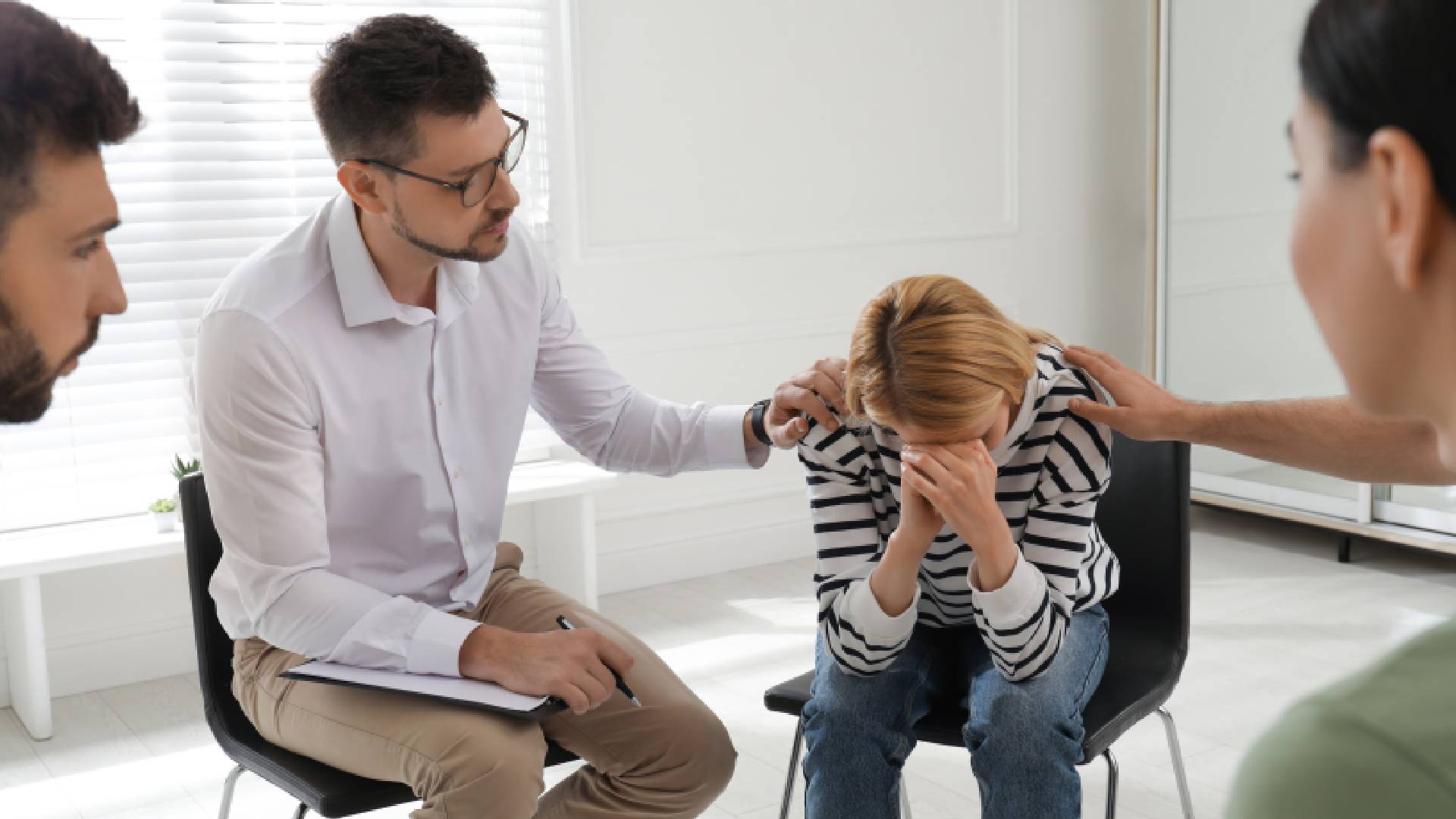
Group counseling that reduces isolation
Addiction thrives in secrecy and isolation. A well-designed group component counters both. In group counseling you:
- Hear from others who are facing similar struggles
- See your own patterns reflected in other people’s stories
- Practice communication skills and boundary setting in real time
- Gain accountability and encouragement from peers who understand
Evidence-based programs frequently combine individual and group counseling formats. Group sessions, often called process groups, help reduce loneliness and provide a context where you can practice skills and get support for setbacks [4].
At Resilience Recovery Center, group therapy for addiction recovery and group counseling for substance abuse are structured and facilitated, not open-ended conversations that wander without clear objectives. Each group has a purpose, whether it is managing cravings, rebuilding relationships, or strengthening relapse prevention plans.
Consistent relapse prevention built into care
Relapse is not a single event. It usually begins as a gradual drift back into old thinking and habits. A strong substance abuse counseling program teaches you to recognize and interrupt that drift long before you pick up a drink or a drug.
Relapse prevention strategies, which are a specific form of CBT, focus on identifying personal triggers, high risk situations, and thinking patterns that make relapse more likely. These approaches then give you concrete tools and plans to avoid or manage those triggers [4].
Ongoing care matters. Longer treatment duration, typically at least 90 days of structured engagement, is associated with better outcomes. One long term follow up found that almost 90 percent of people who maintained abstinence for two years remained drug and alcohol free at ten years [2]. That is why consistent addiction relapse prevention therapy and a substance abuse relapse prevention program are foundational at Resilience Recovery Center rather than optional add ons.
How a counseling program supports your whole life
You are not only trying to stop using. You are trying to build a life that makes sobriety possible. Comprehensive counseling programs understand that.
Addressing co-occurring mental health issues
Many people use substances in an attempt to manage untreated or under treated mental health conditions. You might recognize yourself in any of these patterns:
- Drinking to “take the edge off” relentless anxiety
- Using stimulants to push through depression or exhaustion
- Relying on substances to sleep, socialize, or cope with intrusive memories
Modern substance abuse counseling programs integrate mental health treatment rather than treating your substance use in isolation. Clinical approaches such as CBT and Dialectical Behavioral Therapy (DBT) have strong evidence for treating both addiction and co-occurring conditions. DBT in particular focuses on emotional regulation, distress tolerance, and relationship skills, and it is often used for people navigating both substance use and other mental health disorders [4].
By combining addiction recovery counseling with behavioral therapies that directly target anxiety, mood, and trauma responses, you address the reasons substances became so appealing in the first place.
Strengthening relationships and support systems
Substance use affects partners, children, parents, and friends. You might be dealing with:
- Broken trust and strained communication
- Conflicts about finances, parenting, or boundaries
- Shame about past behavior that makes you want to withdraw
Specialized programs have been developed to address these realities. Behavioral couples therapy for substance use, for example, uses structured skills training and agreements to support abstinence and medication adherence. Research has shown that this approach can improve abstinence rates, relationship functioning, and reduce domestic violence in both men and women with substance use disorders [3].
While you might not need formal couples therapy, learning relationship skills and involving supportive family or friends in aspects of your care can help you rebuild trust. In our addiction counseling program, you can work with your therapist to decide when and how to include important people in your recovery process.
Integrating medical and behavioral care
For some substances, especially alcohol and opioids, medication can play a useful role. Medication assisted treatment can help regulate brain chemistry, reduce cravings, and lessen withdrawal symptoms when overseen by a qualified medical provider [1].
A strong counseling program coordinates with your medical care rather than treating these as separate tracks. You may start with withdrawal management or detox under medical supervision and then transition into therapy focused care that continues to monitor your health, medications, and overall progress. Primary care clinicians can also remain part of your treatment team, providing medical care, encouraging ongoing participation, and supporting relapse prevention [2].
At Resilience Recovery Center, your substance abuse therapy program is designed to complement any medical or psychiatric treatment you are already receiving. Your therapists help you make sense of how medications, sleep, nutrition, and stress all interact with your recovery.
Why outpatient, therapy-first care may fit you
Residential rehab can be life changing for some people, but it is not the only valid path to recovery. If you need to keep working, caring for family, or managing school responsibilities, outpatient counseling centered care may be the right level of support.
Flexibility with real accountability
An effective addiction therapy outpatient program balances freedom with structure. You remain at home and in your community while still having:
- A set schedule of individual and group sessions
- Clear therapeutic goals and measurable progress
- Ongoing monitoring of risk, relapse warning signs, and safety
This model lets you apply skills immediately in real life situations. You can come to a session after a hard day at work or a challenging interaction at home, talk through what happened, and develop a plan for handling the next time differently. That immediacy is one of the strengths of outpatient counseling.
Continuity after higher levels of care
If you have already completed detox or inpatient treatment, stepping into a consistent counseling program keeps your momentum going instead of leaving you to “figure it out” alone. Evidence based practice emphasizes treatment duration and continuity rather than short, isolated episodes. Programs that last three months or longer are strongly associated with better long term outcomes [3].
Resilience Recovery Center can function as:
- A first line of care if you are seeking help for the first time
- A step down from higher intensity treatment
- Ongoing support if you have been maintaining recovery and want to strengthen relapse prevention
You can move between levels of intensity within your addiction therapy treatment program as your needs change, instead of starting over in a new setting every time.
What to look for when choosing a counseling program
When you evaluate a substance abuse counseling program, it may help to ask concrete questions rather than relying on general impressions. Use these areas as a guide.
A strong counseling program should feel structured, evidence based, and personal to you, not generic or one size fits all.
Clinical approach and services
Ask how the program:
- Incorporates CBT, DBT, motivational interviewing, and relapse prevention
- Screens and treats co-occurring mental health conditions
- Coordinates with medical providers and, when relevant, medication assisted treatment
Resilience Recovery Center emphasizes behavioral therapy for substance abuse within an integrated addiction therapy program. Your care is not limited to one modality, and your treatment plan can be adjusted as you grow.
Format and intensity
Clarify:
- How often you will meet for individual therapy
- What types of groups are available and how they are structured
- Whether the program offers specialized support for alcohol, opioids, or other substances
Your needs may differ if you are looking for a focused alcohol addiction therapy program or drug addiction therapy treatment. A comprehensive center will explain how your specific substance use is addressed in therapy, not only in medical care.
Support beyond the first phase of treatment
Recovery is a long term process that often includes periods of stability and periods of higher risk. You will want to know:
- What happens if you slip or relapse
- Whether there is a plan for step up or step down care
- How the program helps you transition to ongoing supports such as peer groups
A program that builds long term structure through addiction recovery counseling services and drug addiction counseling services helps you see relapse not as failure but as a signal that your plan needs adjustment.
How Resilience Recovery Center supports your healing
Choosing where to start or continue your recovery is a significant decision. At Resilience Recovery Center, your substance abuse counseling program is built around several commitments.
You receive:
- Therapy driven care that centers on individual and group counseling
- Evidence based approaches like CBT, DBT, motivational interviewing, and relapse prevention
- Integrated treatment for co-occurring mental health conditions
- A flexible outpatient model that respects your responsibilities and goals
- A focus on long term stability, not quick fixes
Whether you are seeking an alcohol recovery counseling program or a more general substance abuse counseling program, your care plan is anchored in your story, your strengths, and your vision for recovery.
If you are ready to explore structured, therapy centered help without stepping into residential rehab, a dedicated addiction recovery counseling path at Resilience Recovery Center can give you the framework and support you need to move forward, one honest session at a time.