
Understanding drug addiction therapy treatment
When you are struggling with substance use, it can feel like willpower alone should be enough. Yet addiction is a chronic, relapsing condition that affects your brain, your behavior, and nearly every part of your life. Drug addiction therapy treatment is designed to address these deeper changes so that you can build a sustainable, long‑term recovery, not just short‑term abstinence.
Research shows that addiction is treatable and that people can stop using drugs, rebuild their lives, and maintain recovery with the right support [1]. Treatment is less about a quick cure and more about learning to manage a chronic condition. This is similar to other long‑term health issues such as heart disease or asthma, where ongoing care and lifestyle changes are essential for stability and quality of life [1].
At Resilience Recovery Center, therapy is the foundation of your care. Instead of asking you to step away from your life in a residential program, you receive intensive counseling, behavioral therapy, and relapse prevention support in an outpatient setting. This structure lets you stay engaged with your responsibilities while still getting the depth of treatment you need.
Why therapy is central to effective addiction treatment
Addiction almost never exists in isolation. You might be dealing with overwhelming stress, trauma, anxiety, depression, relationship conflict, or work pressure. Without addressing these underlying issues, simply stopping substance use rarely lasts. Therapy-based addiction treatment is designed to work directly with these drivers of your substance use so that change can hold.
Behavioral therapies are some of the most widely used and well researched treatments for substance use disorders. They help you change patterns of thinking and behavior, build new coping skills, and reduce your risk of relapse over time [2]. Treatment is highly individualized and should be tailored to your stage of recovery, your mental and physical health, and your preferences [2].
You may also hear about the “therapeutic alliance.” This is the working relationship between you and your therapist, and it is one of the strongest predictors of positive outcomes in addiction recovery [2]. At Resilience Recovery Center, building this alliance is a priority so that you feel safe being honest, exploring difficult topics, and practicing new ways of responding to stress and triggers.
Types of drug addiction therapy treatment you may receive
At Resilience Recovery Center, your care plan is built around structured, evidence-based therapies that work together. You are not placed in a single approach and left there. Instead, you participate in a coordinated set of services that support your recovery from multiple angles.
Individual counseling and behavioral therapy
You spend focused time one‑on‑one with a clinician who helps you understand your substance use, your triggers, and the patterns that keep you stuck. Individual sessions often draw from several evidence-based approaches, including cognitive behavioral therapy and motivational interviewing. These therapies have strong research support for helping people reduce use and maintain recovery [3].
Through individual therapy for addiction, you learn how to:
- Recognize high‑risk situations before they escalate
- Challenge the beliefs and thoughts that keep you using
- Respond to cravings without acting on them
- Build healthier routines that support sobriety
You are not expected to master these skills overnight. Therapy gives you a space to practice, review setbacks, and strengthen what works.
Group therapy and peer support
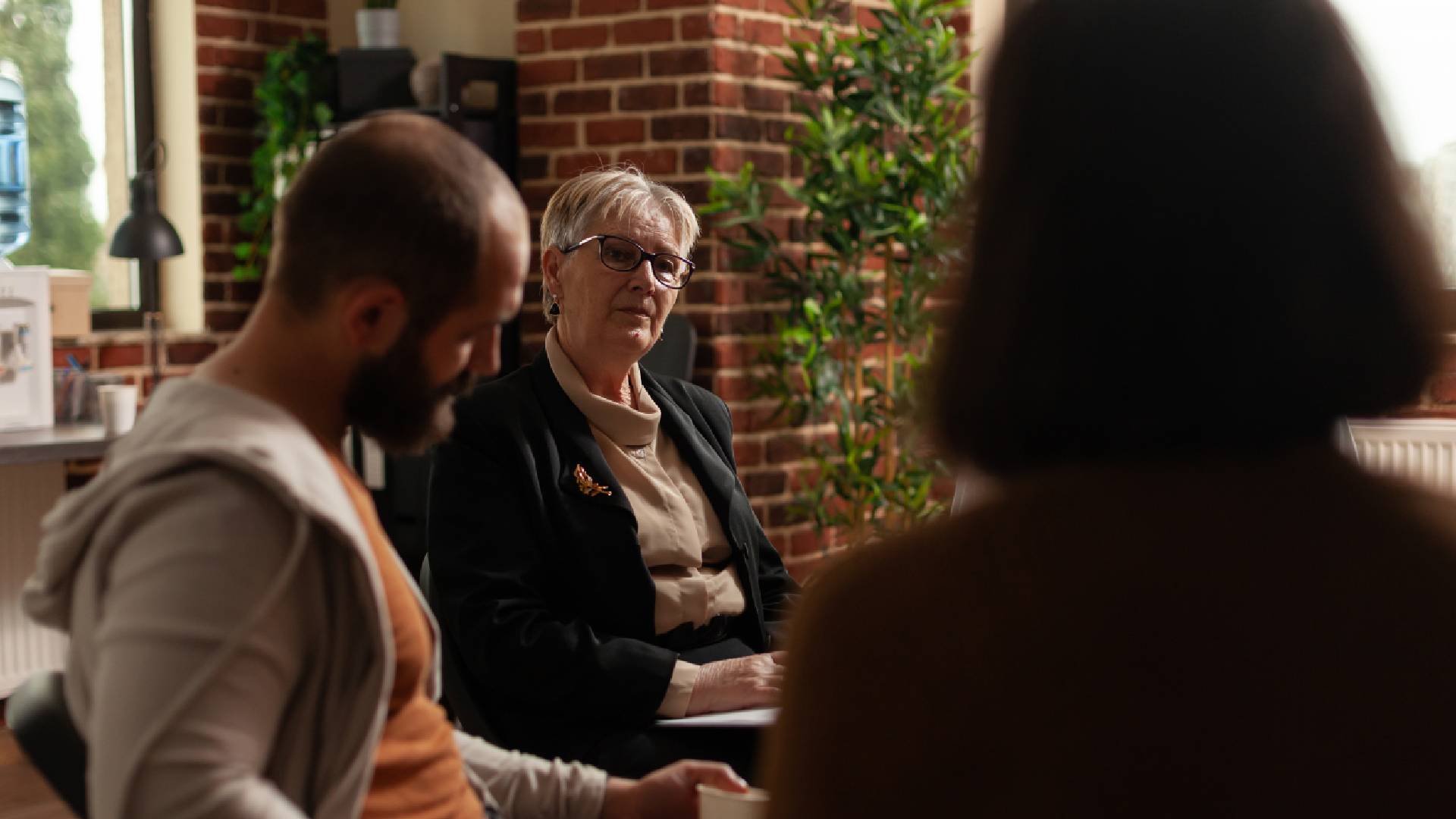
Many people find that recovery becomes easier when they are not doing it alone. Group sessions connect you with others who are facing similar challenges. This is not simply sharing stories. In structured group therapy for addiction recovery, you practice coping skills, communication, and accountability in a supported environment.
Group work may incorporate:
- Skills practice for managing cravings and emotions
- Role‑plays for setting boundaries and refusing offers to use
- Discussions about shame, stigma, and rebuilding trust
- Support in navigating family and work situations
Research on couples and family behavioral therapies shows that treating people within their social networks can improve substance use outcomes and keep people engaged in treatment [4]. Group therapy extends this principle by surrounding you with peers who understand what you are facing.
If you need additional support in a peer setting, group counseling for substance abuse can be incorporated into your plan as well.
Cognitive behavioral therapy and other core approaches
Cognitive behavioral therapy, often shortened to CBT, is a key component of many therapy-driven addiction programs. CBT teaches you how to identify and change the thoughts and behaviors that fuel your substance use. It has demonstrated durable effects, with benefits that can continue to grow even after treatment ends [4].
In practice, CBT and related behavioral strategies help you:
- Map out the chain of events that tends to lead to use
- Interrupt that chain at earlier and earlier points
- Replace substance use with healthier coping strategies
- Plan for how to respond if you experience a lapse
You may also experience elements of:
- Motivational interviewing, which helps you clarify your own reasons for change and resolve ambivalence
- Contingency management, which uses structured rewards to reinforce sober behavior and can be especially powerful for some substances [4]
These tools are not used in isolation. In a behavioral therapy for substance abuse approach, they are blended to fit your goals, your pace, and your history with treatment.
Family and relationship-focused support
Addiction affects the people around you, and their responses can affect your recovery in return. Behavioral family and couples therapies have been shown to reduce substance use and improve treatment retention when supportive partners or family members are involved [4].
At Resilience Recovery Center, your therapist can help you decide how and when to involve loved ones. Sessions might focus on communication, boundaries, understanding addiction as a condition, or rebuilding trust. These conversations are paced carefully so that you do not feel overwhelmed.
Outpatient, therapy-driven treatment vs residential rehab
You might assume that serious addiction automatically requires residential care. In reality, treatment exists along a continuum. The American Society of Addiction Medicine (ASAM) outlines levels of care from early intervention to medically managed intensive inpatient services [5].
At Resilience Recovery Center, you access a focused addiction therapy outpatient program that emphasizes therapy, structure, and accountability while allowing you to remain at home. This model can be a strong fit if you:
- Want intensive, therapy-driven treatment without inpatient admission
- Need to balance work, school, or caregiving responsibilities
- Are stepping down from a higher level of care and want continued support
- Prefer to build coping skills in the same environment where you live and work
Outpatient therapy is not a lesser form of treatment. When it is well structured and evidence-based, it can match or exceed residential outcomes for many people, especially when you are motivated to engage and have at least some stability in your living situation.
How Resilience Recovery Center structures your therapy
Resilience Recovery Center uses a therapy-based model that integrates individual, group, and relapse prevention work into a coherent plan. The focus is not on fitting you into a preset track, but on shaping a therapy based addiction recovery program around your specific situation.
Comprehensive assessment and personalized plan
Your work begins with a thorough assessment that explores:
- Your substance use history and patterns
- Mental health concerns such as anxiety, depression, or trauma
- Medical conditions that may affect treatment
- Family and social supports
- Work, school, and financial pressures
Because effective addiction treatment must be individualized [2], this assessment is essential. It guides your clinicians in building a tailored addiction counseling program that prioritizes your immediate safety and your long‑term goals.
Core services within your therapy program
Your personalized plan may draw from several coordinated services, including:
- Substance abuse counseling program for structured one‑on‑one work
- Drug addiction counseling services for drug-specific challenges such as withdrawal fears or social networks centered on use
- Substance abuse therapy program that integrates multiple therapeutic modalities
- Behavioral health therapy for addiction to address co‑occurring mental health concerns
- Alcohol addiction therapy program or alcohol recovery counseling program if alcohol is one of your primary substances
These services are not separate silos. Your treatment team collaborates so that what you work on in one setting is reinforced in others.
Relapse prevention as a central focus
Relapse is common in addiction recovery and it does not mean that treatment has failed. Relapse rates for substance use disorders are similar to those for other chronic medical conditions [1]. What matters is how your treatment plan responds when cravings, slips, or relapses occur.
At Resilience Recovery Center, relapse prevention is built into your care from the start, not left as an afterthought. Through an addiction relapse prevention therapy approach and a substance abuse relapse prevention program, you learn to:
- Map your personal warning signs, from changes in mood to shifts in routine
- Develop concrete strategies for each stage of the relapse process
- Build a practical plan for what to do if you slip, including who to call and how to re‑engage with treatment
- Strengthen lifestyle habits that lower your risk, such as sleep, nutrition, exercise, and healthy social connections
Relapse prevention work is honest and nonjudgmental. Instead of viewing relapse as a moral failure, you and your therapist examine it as data about what you still need in order to stay on track.
Relapse is not the end of treatment, it is a signal that your plan needs to be adjusted so you can continue moving toward recovery [1].
Integrated support for mental health and co‑occurring issues
Many people who seek drug addiction therapy treatment are also living with anxiety, depression, PTSD, bipolar disorder, or other behavioral health concerns. If these are not treated, they can drive substance use and undermine your progress. Effective behavioral health care addresses both conditions at the same time [1].
In a behavioral health therapy for addiction model, your clinician helps you understand how substance use and mental health symptoms interact. For example, you might use substances to numb intrusive memories, manage panic, or cope with low mood. Therapy focuses on:
- New ways to manage distress without substances
- Skills for tolerating difficult emotions and memories
- Practical routines to stabilize sleep and energy
- Coordination with medical providers if medication is appropriate
How Resilience Recovery Center supports your long‑term recovery
Recovery does not end when you complete a specific program. You will continue to encounter stress, change, and unexpected events. Resilience Recovery Center builds long‑term planning into its addiction therapy treatment program so that you can maintain progress after formal treatment decreases.
Strengthening everyday skills and routines
During therapy, you practice skills that translate directly into your daily life, including:
- Setting realistic goals and breaking them into steps
- Communicating more clearly with family, friends, and coworkers
- Managing finances and time in ways that support recovery
- Choosing environments and relationships that align with your goals
As you move forward, addiction recovery counseling services can help you navigate milestones such as returning to school, changing jobs, or repairing relationships. Ongoing addiction recovery counseling provides a safety net as you take on new challenges.
Building a network of support
Recovery is more sustainable when you are connected. Your treatment team encourages you to cultivate a support network that may include:
- Peers from your therapy groups
- Sober friends and family members
- Community recovery meetings or groups
- Healthcare and mental health providers
Your outpatient work helps you practice reaching out before crises escalate. You learn that asking for support is a strength rather than a weakness.
Accessing care and taking your next step
Finding the right drug addiction therapy treatment can feel overwhelming when you are already under stress. You may have questions about insurance, program intensity, or how to balance treatment with your responsibilities.
Most health insurance plans are required to cover behavioral health and addiction treatment services under the Affordable Care Act [2]. The team at Resilience Recovery Center can help you explore coverage options and find a level of care that matches your needs.
If you are still weighing your options or looking for additional resources, you can also contact SAMHSA’s National Helpline. This is a free, confidential, 24/7 service that connects you to local treatment facilities, support groups, and community resources. It does not provide counseling, but it can help you find programs, including therapy-based treatment, in your area [7]. If you prefer text, you can send your ZIP code to 435748 (HELP4U) to receive local referrals where that service is available [7].
When you are ready to begin, Resilience Recovery Center can work with you to build an addiction therapy program that fits your life. Through structured substance abuse counseling program, coordinated group work, and focused relapse prevention, you have the opportunity to create a recovery that is not just about stopping use, but about transforming how you live.
You do not have to wait until everything feels unmanageable. Therapy-driven addiction treatment can help you move toward stability, connection, and long‑term sobriety starting from wherever you are right now.