Understanding the benefits of intensive outpatient treatment
If you are comparing levels of care for addiction, it helps to clearly understand the benefits of intensive outpatient treatment. An intensive outpatient program, or IOP, offers several hours of structured therapy on multiple days each week while you continue to live at home. This middle level of care can give you more support than standard outpatient therapy, without the disruption of inpatient rehab or residential treatment.
Intensive outpatient programs are designed to help you stabilize your recovery, build skills, and stay connected to daily life at the same time. Research shows that well structured intensive outpatient care can be as effective as inpatient treatment for certain conditions, especially when programs are evidence based and highly coordinated [1].
If you want a detailed overview of how this level of care fits into the bigger picture, you can also explore what is an intensive outpatient program.
How intensive outpatient treatment works
An intensive outpatient program provides a structured schedule of services several days a week, typically 2 to 3 hours per day. Verywell Mind notes that IOPs usually involve therapy three to five days a week, which is more support than traditional weekly outpatient counseling while still allowing you to live at home and maintain responsibilities [2].
In a typical IOP you might attend:
- Group therapy focused on relapse prevention, coping skills, and peer support
- Individual counseling to work on your personal treatment goals
- Psychoeducation sessions about addiction, mental health, and recovery skills
- Medication management or psychiatric appointments if needed
For a closer look at logistics you can review how intensive outpatient treatment works, intensive outpatient program therapy structure, and steps in an intensive outpatient program.
Flexible scheduling that fits your life
One of the most practical benefits of intensive outpatient treatment is flexibility. Instead of stepping away from daily life entirely, you learn how to recover while you continue to work, go to school, or care for your family.
Many IOPs offer morning, afternoon, or evening tracks so you can choose a schedule that aligns with your responsibilities. Typical schedules include 3 to 5 treatment days per week, with each session lasting 2 to 3 hours. You can explore examples in more detail in how many hours is an intensive outpatient program and intensive outpatient program schedule for addiction.
This flexibility is one reason IOPs became especially popular with working adults. Verywell Mind notes that intensive outpatient care grew in the 1980s as professionals looked for addiction treatment options that did not require leaving their jobs [2]. Telehealth options can add even more accessibility if you live in a rural area or have transportation challenges [3].
If you are wondering how employment fits into treatment, you can also look at can you work while in an intensive outpatient program.
Structured support without full hospitalization
Another core benefit of intensive outpatient treatment is that it gives you a structured therapeutic routine while still letting you stay in your own home. Programs usually follow a consistent weekly schedule so you know exactly when you will be in treatment and what to expect.
According to PrairieCare, intensive outpatient programs provide several hours of care on a few days each week, which allows you to receive comprehensive services while continuing to manage daily responsibilities such as work, school, and family life [3]. This balance is especially important if you are transitioning from inpatient care and need a step down that still feels steady and supportive.
Verywell Mind also describes IOPs as an effective step between residential or inpatient care and standard outpatient therapy, giving you a gradual shift back to regular life while maintaining structured support [2]. If you are weighing different levels of care, it can help to compare iop vs inpatient rehab and iop vs outpatient addiction treatment.
Evidence based therapies and skills training
The therapeutic content of an IOP is one of its strongest benefits. Rather than a single type of counseling, you typically receive a blend of evidence based approaches that are tailored to your needs.
Verywell Mind notes that intensive outpatient programs often use cognitive behavioral therapy, 12 step facilitation, motivational approaches, and community reinforcement models to address addiction and co occurring issues [2]. Similarly, NBH Hospitals highlights that IOPs commonly include cognitive behavioral therapy and dialectical behavior therapy, which focus on changing negative thought patterns and improving emotional regulation [4].
In practice, this might look like:
- Learning to identify and reframe unhelpful thoughts that fuel cravings
- Developing concrete relapse prevention plans
- Practicing communication and boundary setting skills
- Building emotional regulation and distress tolerance strategies
Some programs also incorporate adjunct or alternative therapies such as mindfulness, yoga, or relaxation training to support overall well being [2]. Understanding how intensive outpatient therapy helps addiction and how iop helps addiction recovery can clarify how these modalities work together.
Real time practice in your everyday environment
One of the unique benefits of intensive outpatient treatment, compared with inpatient care, is the ability to apply what you are learning immediately in your real life. After each treatment day you go back to your home, work, and community where triggers and stressors may still be present.
PrairieCare emphasizes that this structure allows you to practice new coping and management skills in your real environment, then bring any challenges back to your treatment team for support and problem solving [3]. This real time feedback loop can accelerate your progress because you are not waiting weeks to test your skills after discharge.
For addiction recovery specifically, NBH Hospitals notes that IOPs support relapse prevention by teaching skills that can be used immediately in daily life, which is critical given that relapse rates for substance use disorders are historically high [4].
If you want to see how this structure fits into a longer recovery plan, you might find it helpful to read about addiction recovery intensive outpatient structure.
In many ways, an IOP functions like a training ground where you learn skills in therapy, practice them in your real life, and then refine them with professional guidance the next day.
Strong peer support and reduced isolation
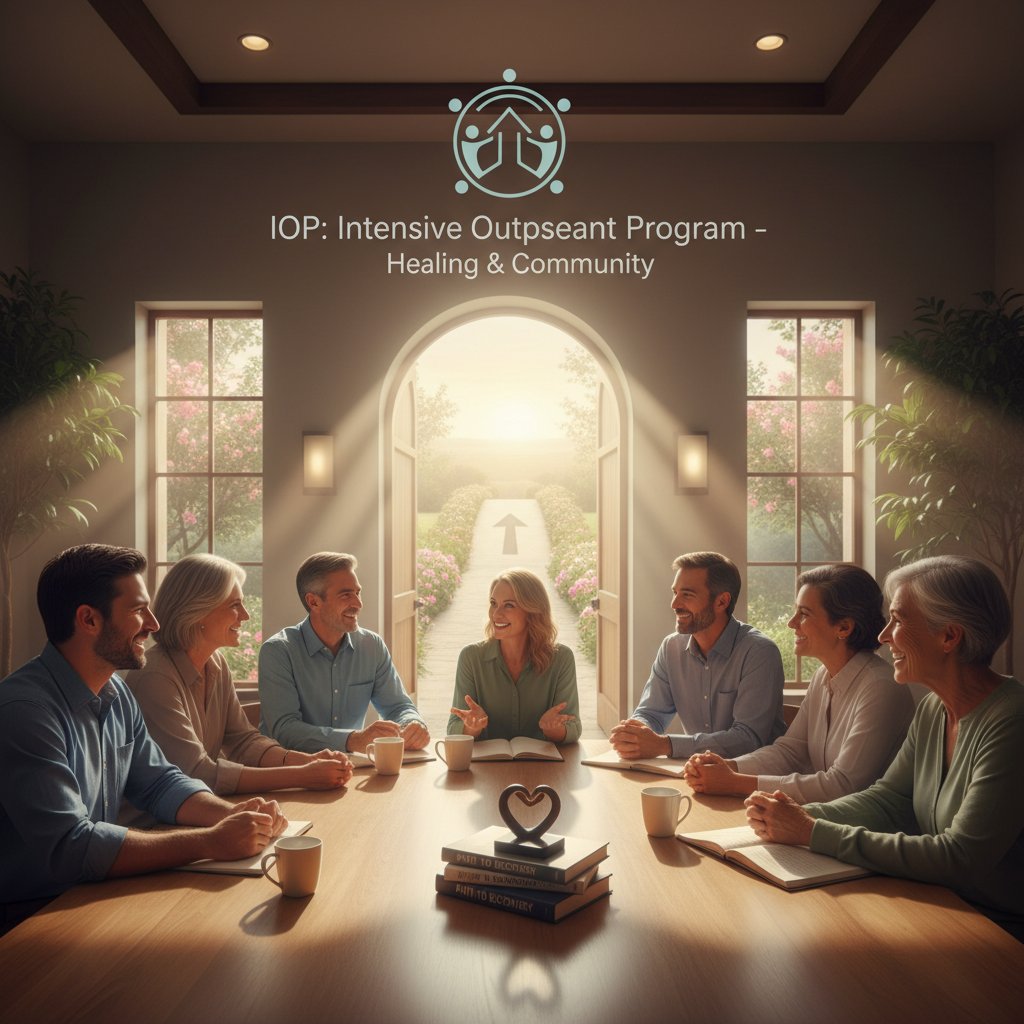
Recovery can feel isolating if you try to navigate it alone. Intensive outpatient programs are built around group therapy and shared experiences, which can reduce that sense of isolation and create a strong support network.
PrairieCare highlights that IOPs use group therapy and psychoeducation as core components, giving you regular contact with peers who are facing similar mental health or addiction challenges [3]. NBH Hospitals notes that combining individual and group sessions helps reduce isolation and build a sense of community that is often essential for sustained recovery [4].
Being in a group setting allows you to:
- Hear how others handle cravings, stress, and relationship issues
- Practice honesty and vulnerability in a safe environment
- Give and receive feedback and encouragement
- Build accountability that extends beyond formal treatment sessions
Many people find that the relationships formed in IOP continue to support them long after the program ends. If you want to understand the day to day feel of these groups, you can explore what to expect in an iop program.
Continuity of care after inpatient treatment
If you have recently completed detox, residential treatment, or inpatient rehab, you might worry about the sudden shift from 24 hour support back to daily life. Intensive outpatient treatment can bridge that gap by providing continued structure as you transition home.
PrairieCare describes IOPs as a way to continue support after hospitalization or residential care, helping you manage day to day stressors while still having frequent access to mental health professionals [3]. Verywell Mind similarly characterizes IOP as a step down that maintains structured therapy outside of a hospital setting [2].
This continuity can:
- Help you gradually adjust to increased independence
- Provide a space to process early challenges in the community
- Reduce the risk of relapse immediately after discharge
If you are not sure whether to go directly from inpatient to standard outpatient care or to add an IOP step, reviewing when to choose intensive outpatient rehab and iop vs inpatient rehab can clarify your options.
Cost effectiveness and accessibility
For many people, finances are an unavoidable part of the treatment decision. One of the practical benefits of intensive outpatient treatment is that it is generally less expensive than inpatient or residential care while still offering a high level of support.
A quasi experimental study of an intensive outpatient program for depression in Germany found that a 6 week outpatient intensive treatment cost about 3,000 euros, compared with approximately 10,500 euros for inpatient treatment over the same period [1]. Both groups showed large improvements in symptoms, and the outpatient program even had higher response rates on some measures. While costs and insurance coverage vary widely, this study illustrates the potential cost effectiveness of intensive outpatient models.
Shorter waiting times can also improve accessibility. In the same study, the intensive outpatient program typically had a wait time of 2 to 3 weeks compared with up to 8 weeks for inpatient admission [1]. Faster access can be particularly important if your symptoms are escalating or you are at higher risk of relapse.
If you are comparing the overall value of different levels of care, you can also consider how long an IOP might last in your situation by looking at how long does an iop program last.
Who benefits most from intensive outpatient treatment
While IOPs offer many advantages, they are not the right fit for everyone. Understanding who typically benefits most can help you decide whether this level of care matches your needs.
Intensive outpatient treatment is often a good option if you:
- Need more structure and support than weekly outpatient therapy provides
- Have a relatively stable home environment without constant substance use around you
- Are medically stable and do not need 24 hour supervision
- Are motivated to participate actively in treatment and follow program guidelines
- Want to keep working, studying, or caring for family while in treatment
PrairieCare describes IOPs as suitable for those who want comprehensive mental health care while maintaining daily responsibilities [3]. Verywell Mind notes that IOPs can be ideal for people who need intensive treatment but either do not require or cannot commit to full time residential care [2].
On the other hand, you might need a higher level of care such as inpatient or residential treatment if you:
- Face severe withdrawal risks or complex medical conditions
- Have a high risk of harm to yourself or others
- Do not currently have a stable, substance free living environment
- Find it very difficult to attend sessions consistently or to stay substance free between sessions
To explore eligibility in more detail, review who should attend an intensive outpatient program and who qualifies for intensive outpatient treatment.
Comparing IOP to inpatient and standard outpatient care
Understanding how an IOP compares to other options can make your choice clearer. You can think of levels of care on a spectrum from most intensive to least intensive.
| Level of care | Living situation | Typical time in treatment | Best for |
|---|---|---|---|
| Inpatient or residential rehab | You live at the facility full time | 24 hours a day for several weeks or months | Severe addiction, high medical or safety risks, unstable home environment |
| Intensive outpatient program (IOP) | You live at home, attend frequent treatment | 2 to 3 hours a day, 3 to 5 days a week | Need more support than weekly therapy, but can stay safe and sober at home |
| Standard outpatient therapy | You live at home, attend occasional sessions | 1 to 2 hours per week or as scheduled | Mild to moderate symptoms, strong existing support, stable recovery |
This comparison is explored in more depth in iop vs inpatient rehab and iop vs outpatient addiction treatment. If you are unsure where you fit, discussing your situation honestly with a treatment professional can help you choose the safest and most effective level of care.
What you can expect during an IOP
Knowing what daily life in an IOP looks like can make it less intimidating and help you picture yourself in the program. While each treatment center is different, there are common elements.
You can generally expect:
- An intake assessment to review your history, current substance use, mental health, medical needs, and goals
- A personalized treatment plan that outlines your schedule, therapies, and specific objectives
- A combination of group sessions, individual therapy, and possibly family sessions
- Regular check ins about your progress, challenges, and any needed adjustments to your care
- Clear program requirements regarding attendance, substance use, and participation
Many programs also monitor medications, coordinate with outside providers, and offer help with practical issues such as work, school, or legal concerns. For a more detailed walkthrough of the process, you can visit what to expect in an iop program and iop program requirements.
How effective are intensive outpatient programs
You may be wondering whether an IOP will actually help you make lasting changes. Current research offers encouraging evidence.
The depression treatment study mentioned earlier found that an intensive outpatient program achieved similar or even better symptom reductions compared with inpatient care, with large effect sizes in both groups [1]. In the addiction field, NBH Hospitals notes that IOPs help support recovery and relapse prevention by teaching practical skills that you can apply immediately in your daily life [4].
Client satisfaction with intensive outpatient models can also be high. A study of a four month integrated IOP for substance use disorders in Sweden reported very high satisfaction scores, with participants highlighting the value of comprehensive programming, strong therapeutic relationships, and opportunities for personal growth [5].
Outcomes always depend on many factors, including program quality, your level of engagement, and your support system. Learning more about how effective are intensive outpatient programs can help you set realistic expectations.
Deciding if intensive outpatient treatment is right for you
Choosing a level of care is a personal decision that benefits from honest reflection and professional guidance. As you weigh the benefits of intensive outpatient treatment, you might ask yourself:
- Do I need more structure than weekly therapy, but not 24 hour supervision?
- Can I stay safe and substance free in my current living environment with added support?
- Am I willing to commit several hours on multiple days each week to treatment?
- Do I want to keep working, attending school, or caring for family while in recovery?
If you find yourself saying yes to many of these questions, an IOP may be a strong option for your next step. Exploring resources such as how intensive outpatient treatment works and when to choose intensive outpatient rehab can guide you further.
You do not have to make this decision on your own. Speaking with an addiction specialist or treatment center, sharing your full history, and asking direct questions about their intensive outpatient program can help you determine whether this level of care matches your needs and goals for long term recovery.
References
- (BMC Psychiatry)
- (Verywell Mind)
- (PrairieCare)
- (NBH Hospitals)
- (PMC)