
Understanding addiction recovery outpatient services
When you explore addiction recovery outpatient services, you are looking for a way to get real help without stepping away from your entire life. Outpatient rehab gives you structured treatment for drug or alcohol use while you continue to live at home and keep up with work, school, and family responsibilities. At Resilience Recovery Center, outpatient care is designed so you can receive the same core therapies that you would see in many residential programs, but with more flexibility and choice in how your week looks.
Outpatient addiction treatment usually includes individual counseling, group therapy, family sessions, education about addiction, and relapse prevention planning. Programs are offered at different levels of intensity so you can match your care to the severity of your symptoms and the demands of your schedule. National organizations like American Addiction Centers highlight that outpatient rehab allows you to stay in a safe home environment while still receiving consistent treatment and support for substance use disorders [1].
How outpatient rehab works at Resilience Recovery Center
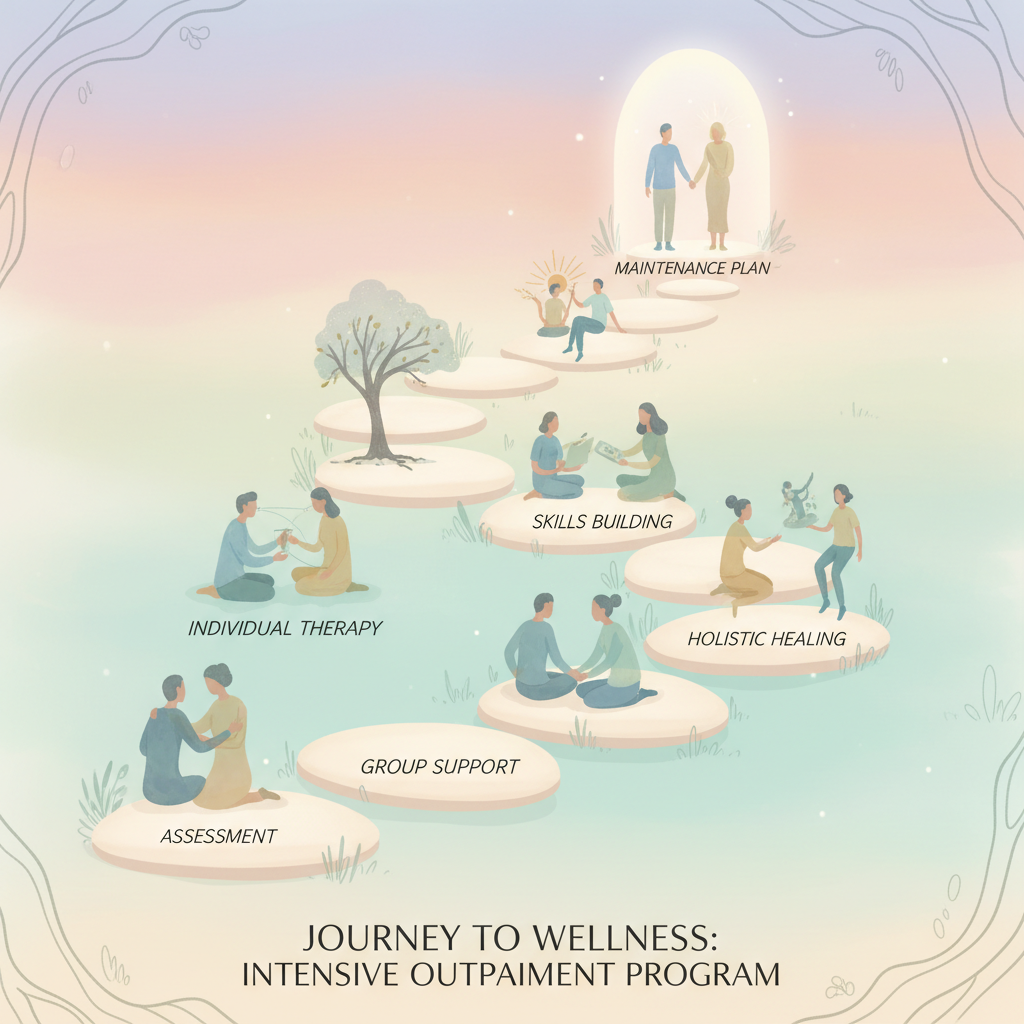
At Resilience Recovery Center, outpatient rehab is not one-size-fits-all. Your care begins with an assessment of your physical health, mental health, substance use history, and daily responsibilities. This information helps the team recommend the right level of care within an outpatient recovery program for addiction.
You attend therapy sessions on scheduled days and times, then return home when treatment is over for the day. This approach gives you the opportunity to practice coping skills in your real life while still meeting regularly with clinicians and peers. As your needs change, your schedule and services can be adjusted, which is particularly important if you are balancing work hours, childcare, or school.
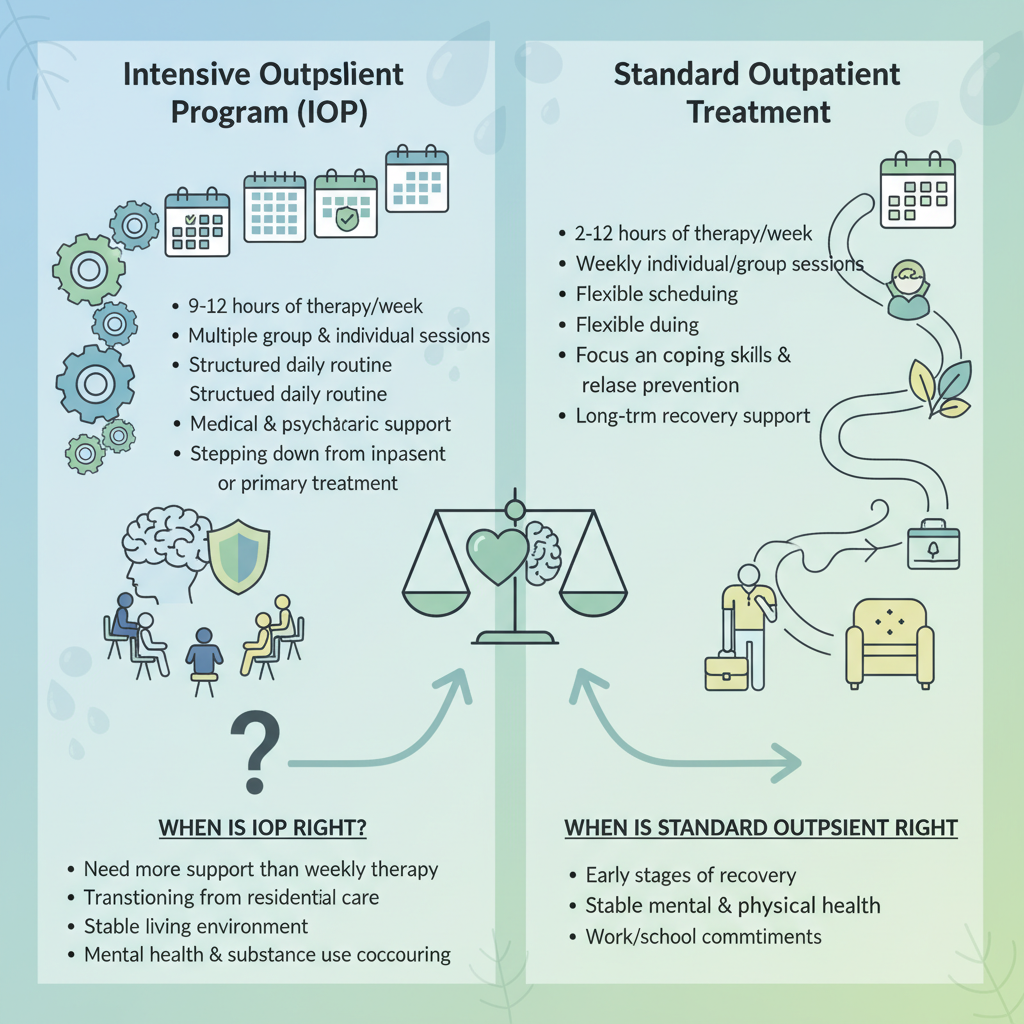
Outpatient care can stand alone, or it can be a step down from more intensive services such as residential treatment or partial hospitalization. This step-down model is common in the broader field of addiction treatment and is supported by research that shows combining higher-intensity care with follow-up outpatient services can support abstinence in the early months of recovery [2].
Flexible structure that fits your life
One of the clearest advantages of choosing Resilience Recovery Center is the emphasis on flexibility without losing clinical structure. You do not have to choose between professional treatment and your responsibilities. Instead, your schedule is built around both.
You may attend sessions several days per week for a few hours at a time in a structured outpatient rehab program. Time in treatment is focused and intentional. Outside those hours you are at home, at work, or in your community. This format allows you to immediately apply what you are learning in therapy to real situations, which national organizations identify as a key strength of outpatient care [1].
If you need more support at certain points, your program can be temporarily intensified, for example by adding more group sessions or appointments. When life stabilizes or you gain more confidence in your recovery skills, your schedule can step down again. This flexibility helps you stay engaged with treatment over a longer period of time, which is often critical for lasting change.
Personalized treatment planning for your needs
Effective addiction recovery outpatient services are built around you as an individual. At Resilience Recovery Center, your plan is not limited to your substance of choice. It also reflects your health history, mental health symptoms, trauma history, relationships, and goals for your future.
Your care team works with you to set clear, realistic goals. These might include reducing or ending substance use, repairing family relationships, improving work performance, or stabilizing your mood and sleep. Your treatment plan then includes specific services to help you move toward these goals, such as an addiction counseling outpatient program combined with a substance abuse therapy outpatient program.
This type of individualized planning mirrors the approach seen in major health systems. For example, NewYork-Presbyterian builds outpatient treatment around comprehensive physical, psychiatric, and psychosocial assessments so that services match each person’s risk of relapse and quality of life needs [3]. Resilience Recovery Center uses a similar philosophy, aligning care with your whole life instead of focusing only on symptoms.
Evidence-based therapies and clinical expertise
When you choose Resilience Recovery Center for outpatient care, you are not just signing up for a convenient schedule. You are connecting with therapists and clinicians who provide evidence-based treatments that have been shown to help with substance use disorders.
Your care may include:
- Cognitive Behavioral Therapy to help you notice and change unhelpful thoughts and behaviors related to alcohol or drug use
- Dialectical Behavior Therapy strategies for emotion regulation, distress tolerance, and interpersonal effectiveness
- Motivational interviewing to strengthen your internal reasons for change
- Relapse prevention training, including identifying high-risk situations and creating detailed coping plans
This approach is consistent with what leading outpatient programs across the country offer. Facilities like Freedom Recovery and NewYork-Presbyterian rely on CBT, DBT, group therapy, and family work as central components of effective outpatient rehab [4]. At Resilience Recovery Center, these same evidence-based tools are available to you within a tailored behavioral health outpatient treatment program.
Strong focus on relapse prevention
Relapse prevention is not treated as a single session near the end of treatment. At Resilience Recovery Center it is built into your care from the first day. You work with your therapist and group to identify your personal triggers, early warning signs, and high-risk environments.
Your relapse prevention planning can include:
- Mapping out your daily and weekly routines to build in healthy structure
- Learning skills to manage cravings, stress, and conflict without turning to substances
- Identifying people you can call when you experience urges
- Planning for how to navigate events where alcohol or drugs are present
National providers point out that outpatient treatment offers you a unique advantage in this area. You can test relapse prevention strategies in your real environment, then bring your experiences back into session for feedback and adjustment [1]. This ongoing cycle of practice and refinement is one reason outpatient care can be very effective for many people.
Integrated care for alcohol and drug use
If you are struggling with alcohol, drugs, or both, Resilience Recovery Center offers services that match your specific pattern of use. Alcohol-focused services, such as an outpatient alcohol rehab program or alcohol addiction outpatient treatment, address issues like tolerance, withdrawal, and the impact of alcohol on your physical and emotional health. A dedicated alcohol use disorder outpatient treatment track can help you focus on the unique challenges of changing your relationship with alcohol.
If your primary concern is drug use, you can access a drug addiction outpatient program or outpatient drug rehab program that addresses the patterns, triggers, and risks tied to your specific substances. Services like drug rehab outpatient treatment and drug addiction outpatient counseling give you space to explore urges, withdrawal symptoms, and lifestyle changes in detail.
Research in the field highlights that many outpatient programs tailor services to different substances and levels of medical need. Some drugs do not require medically supervised detox, which can reduce overall treatment costs and allow more focus on counseling and therapy during outpatient care [5]. Resilience Recovery Center uses this kind of differentiation to direct you to the right level of support.
Support for co-occurring mental health conditions
Many people who seek addiction recovery outpatient services also experience depression, anxiety, trauma-related symptoms, or other mental health concerns. If you recognize yourself in this description, you are not alone. National estimates suggest that millions of Americans live with both a substance use disorder and a psychiatric illness at the same time [3].
Resilience Recovery Center is structured to address both sides of this picture. In a behavioral health outpatient addiction program, you can receive therapy that addresses mood, thoughts, and behaviors as a connected whole. Your treatment plan may include psychiatric evaluation, medication management where appropriate, and coordinated care between addiction specialists and mental health providers.
This integrated approach is similar to dual diagnosis services offered by large health systems. Treating both conditions together, rather than in isolation, can reduce the risk that untreated symptoms in one area will trigger relapse or worsen your overall functioning.
Ongoing support while you live at home
One of the defining aspects of outpatient care at Resilience Recovery Center is that all of this support is available while you remain in your own living environment. This model is highlighted across the field as a way for you to maintain work or school while still engaging in consistent treatment [6].
Living at home means you can:
- Stay connected to your support system while you build new skills
- Continue to meet financial obligations and care for family members
- Practice new behaviors in the same spaces where you previously used substances
At the same time, you do not have to navigate this process alone. Regular sessions through an outpatient substance abuse treatment program or outpatient rehab for substance abuse keep you in close contact with professionals and peers who understand what you are working toward. This combination of independence and structured support is at the core of Resilience Recovery Center’s model.
Many people find that outpatient rehab offers enough support to change their lives while still allowing them to keep the commitments that matter most.
Access, affordability, and community resources
Cost and access often influence whether someone actually follows through with treatment. Compared to residential programs, outpatient care is usually more affordable because there are no housing or 24 hour medical supervision costs. National data indicates that outpatient services tend to be less expensive than inpatient options and that many programs accept insurance, offer sliding scales, or provide low-cost care through nonprofit or state-funded services [7].
Resilience Recovery Center follows this broader trend by working with you to understand your insurance coverage and financial options. If you do not have insurance, staff can help you explore community resources or lower-cost options so that cost does not become a barrier to starting an outpatient addiction treatment center program.
You can also use national and state helplines to find additional resources or confirm available services in your area. For example, SAMHSA’s National Helpline is a confidential 24/7 service that connects you with treatment facilities, support groups, and other local programs, including outpatient addiction recovery services [8]. Similar helplines exist at the state level, such as the OASAS HOPEline in New York [9]. These services are useful if you are exploring all possible options.
Building a long-term recovery pathway
Recovery is not limited to your time in formal treatment. At Resilience Recovery Center, planning for life after structured services is part of your outpatient experience from the beginning. Your team works with you to create a long-term strategy that might include continued counseling, peer support groups, sober activities, and specific goals for work, education, or relationships.
Programs such as an alcohol recovery outpatient program, drug and alcohol outpatient treatment, or addiction therapy outpatient services can be adjusted over time to reflect your growing stability. You may attend fewer sessions as you gain confidence, while still maintaining a link to support if new stressors arise.
This extended engagement aligns with the way many national providers structure their care. Long-term access to therapy, skills groups, and relapse prevention support helps you maintain progress and respond early if warning signs appear [10].
Deciding if Resilience Recovery Center is right for you
Choosing the right program for addiction recovery outpatient services is a personal decision. Resilience Recovery Center is a strong fit if you:
- Need professional treatment but cannot pause work, school, or caregiving
- Want a drug addiction outpatient program or alcohol-focused track that is tailored to your situation
- Prefer to live at home while receiving therapy, education, and relapse prevention support
- Are looking for integrated care that addresses both substance use and mental health symptoms
- Want flexible scheduling within a clinically structured setting
If these priorities reflect your situation, exploring an outpatient rehab for substance abuse or related track at Resilience Recovery Center can be a meaningful next step. You do not have to wait for everything in your life to stop before you start getting help. With the right outpatient program, you can work toward recovery while staying connected to the people and responsibilities that matter most to you.