
How an addiction therapy program supports lasting recovery
When you think about getting help for substance use, you might picture inpatient rehab. For many people, that level of care is not realistic or necessary. A structured outpatient addiction therapy program gives you intensive counseling, relapse prevention tools, and behavioral health support while you stay engaged with work, school, and family.
An effective addiction therapy program focuses on why you use, not just what you use. You work through the emotional, social, and behavioral patterns that keep pulling you back to drugs or alcohol. High quality programs use reliable screening and comprehensive assessment to understand your substance use history, mental health, medical conditions, family system, and recovery supports, so your care can be matched to your actual needs [1].
Resilience Recovery Center is designed around this therapy-first model. You receive focused counseling, evidence-based behavioral therapies, and structured relapse prevention without leaving your daily life behind.
Why therapy-driven treatment matters
Detox or short-term stabilization alone rarely changes long-term outcomes. Detox can safely manage withdrawal if you are physically dependent on substances, but it only addresses the physical side of addiction. To sustain recovery, you need psychological and behavioral treatment that helps you build new patterns [2].
High quality programs share several characteristics that directly affect your results:
- Comprehensive, validated assessment at intake
- Integrated care for co-occurring mental health and medical issues
- Evidence-based counseling methods
- Qualified, multidisciplinary staff with ongoing training
- Active monitoring of progress with standardized measures
- Strong connections to continuing care and community supports [1]
When your addiction therapy program is built around these principles, you are not just being told to stop using. You are learning how to manage cravings, regulate emotions, repair relationships, and navigate everyday stress in new ways.
Resilience Recovery Center emphasizes therapy-based care, so your treatment plan is structured around counseling, behavioral change, and long-term recovery skills, not just short-term symptom relief.
What to look for in an addiction therapy program
If you are comparing options, it helps to know what makes a program effective rather than simply available. Many people end up in treatment that is convenient instead of treatment that is well matched to their needs.
You can use the following comparison to evaluate your choices:
| Program feature | Why it matters | What you want to see |
|---|---|---|
| Assessment and intake | Ensures your care is individualized | Detailed evaluation of substance use, mental health, medical issues, family, and supports |
| Therapeutic approach | Drives how you will work on change | Evidence-based models like CBT, DBT, MI, and family therapy |
| Level of structure | Keeps you engaged and accountable | Scheduled individual and group sessions, homework, and relapse planning |
| Staff qualifications | Affects safety and effectiveness | Licensed clinicians, medical oversight, multidisciplinary team |
| Co-occurring care | Most people have overlapping issues | Integrated or closely coordinated mental health and medical treatment |
| Aftercare and follow up | Recovery continues after the program | Planned step-down care, support groups, sober activities, ongoing counseling [1] |
At Resilience Recovery Center, your care is structured as a therapy-based addiction recovery pathway. You have access to individual therapy for addiction, group therapy for addiction recovery, and targeted addiction relapse prevention therapy, all coordinated within a single, consistent plan.
How individual counseling supports your recovery
Individual counseling is often the core of an effective addiction counseling program. In one-on-one sessions, you have protected time to look closely at how substances function in your life and what it will take to move forward.
Exploring the roots of your substance use
You may know that you want to use less or stop altogether, but not fully understand why you keep going back. In individual sessions, you and your therapist explore:
- Stressors that consistently lead to use
- Thought patterns that justify or minimize your substance use
- Unresolved trauma or grief that makes numbing appealing
- Beliefs about yourself that fuel shame or hopelessness
Evidence-based methods, such as cognitive behavioral therapy, help you notice and challenge these patterns. You learn to replace automatic, self-defeating thoughts with more realistic ones, which can reduce cravings and impulsive decisions.
At Resilience Recovery Center, your substance abuse counseling program includes structured individual sessions that focus directly on these underlying drivers. Your therapist works with you to set specific goals and track your progress over time.
Building practical coping skills
Insight is useful only if it leads to different choices in difficult moments. Individual counseling gives you space to practice skills that you then test out between sessions, such as:
- Managing cravings with concrete strategies
- Setting boundaries with people who encourage use
- Handling conflict without substances
- Replacing high-risk routines with healthier options
This approach turns therapy into a laboratory for change. Your addiction therapy treatment program provides ongoing feedback and adjustment, so that your plan evolves as your life does.
How group therapy strengthens your support system
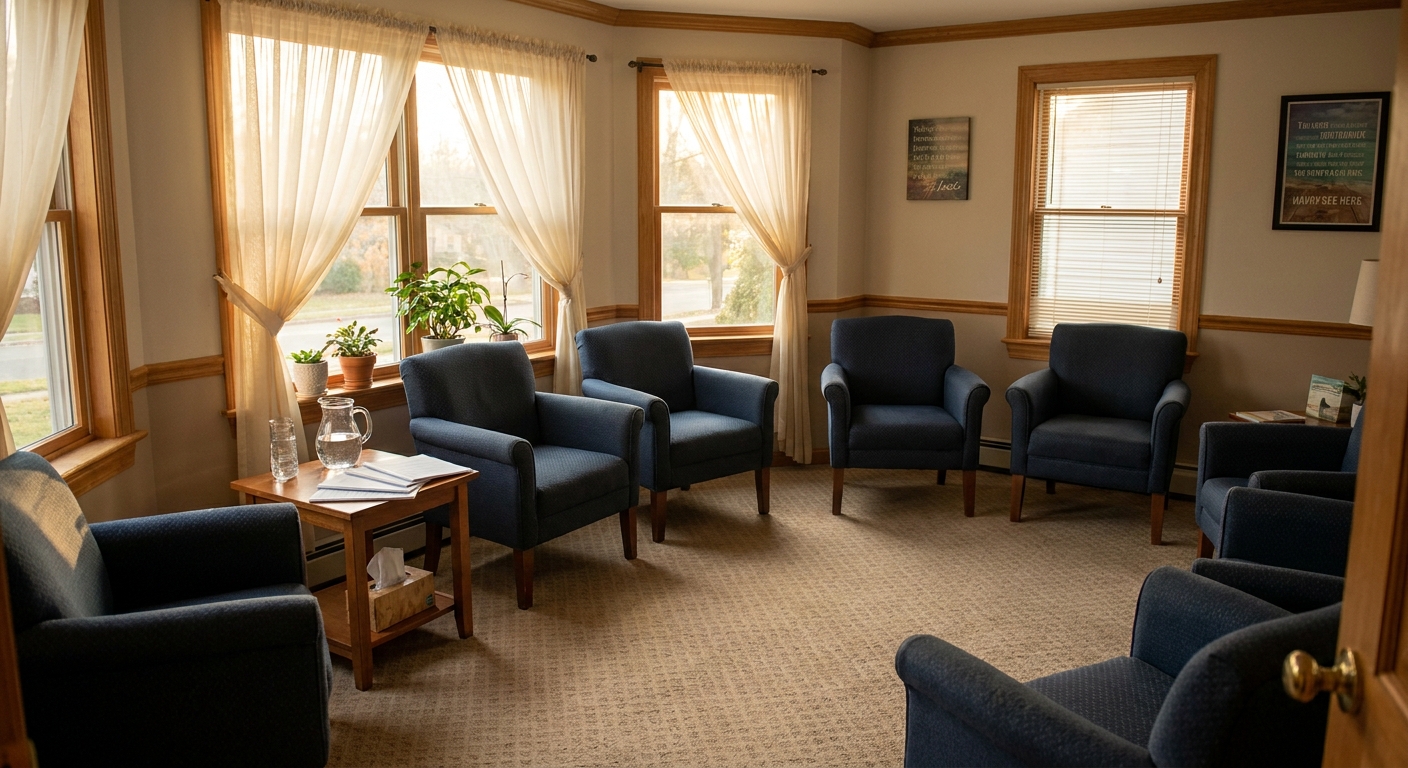
Even if you prefer to keep things private, group therapy is often a powerful part of an effective substance abuse therapy program. Addiction tends to isolate you. Recovery requires connection.
Reducing isolation and shame
In a structured group counseling for substance abuse setting, you meet others who are facing similar struggles. Hearing your own thoughts expressed by someone else can make you feel less alone and less defective.
Groups offer:
- A safe place to talk about relapse, urges, and setbacks
- Real-time feedback from peers who understand your experience
- Opportunities to practice communication and interpersonal skills
The camaraderie that develops in a recovery group can be a strong predictor of engagement and retention in treatment. Programs that foster these connections often see better long-term outcomes.
Resilience Recovery Center integrates group therapy for addiction recovery into your overall plan so that what you work on individually is reinforced and extended in a peer environment.
Learning from shared experience
Group sessions also give you access to multiple perspectives. You can:
- Learn strategies that others have used successfully
- See how similar triggers show up in different lives
- Practice giving and receiving constructive support
This shared learning can be especially helpful when you are developing a relapse prevention plan or preparing for high-risk events, such as holidays or major life changes.
Behavioral therapy as the foundation of change
Behavioral therapies are at the center of modern, evidence-based addiction treatment. They help you understand how your thoughts, feelings, and actions interact, and how you can interrupt destructive cycles.
Evidence-based behavioral approaches
High quality programs use approaches that are backed by research, not just intuition. These may include:
- Cognitive behavioral therapy to change distorted thinking and unhelpful behaviors
- Dialectical behavior therapy to build emotion regulation and distress tolerance
- Motivational interviewing to strengthen your own reasons for change
- Family-based interventions to improve communication and support at home [2]
Resilience Recovery Center offers behavioral therapy for substance abuse and broader behavioral health therapy for addiction within a coordinated outpatient setting. Your therapist works with you to select and adapt specific methods to match your needs and preferences.
Addressing co-occurring mental health and medical issues
Substance use rarely exists in isolation. Depression, anxiety, trauma, and medical conditions such as hepatitis C or alcoholic liver disease are common and can undermine recovery if left untreated [1].
Effective programs either:
- Provide integrated care on-site, or
- Create assertive linkages to external mental health and medical services
At Resilience Recovery Center, your addiction recovery counseling includes screening for co-occurring issues, coordination with outside providers when needed, and active monitoring of how these conditions interact with your substance use and your recovery goals.
Relapse prevention as an ongoing process
Relapse is a risk, not a requirement. When you approach it as a predictable process rather than a single event, you can build skills to reduce both the likelihood and the severity of setbacks.
Building your personal relapse prevention plan
An effective substance abuse relapse prevention program helps you identify:
- Early warning signs that your recovery is getting unstable
- Internal triggers, such as emotions or thoughts, that drive urges
- External triggers, such as places, people, and routines
- Specific coping strategies for each high-risk situation
You work with your therapist to create a concrete plan, which is then reviewed and refined in both individual and group settings. That plan is not a generic checklist. It is tailored to your habits, your environment, and your responsibilities.
Resilience Recovery Center incorporates structured addiction relapse prevention therapy into your overall therapy based addiction recovery program. You leave with practical tools you can implement immediately in your daily life.
Planning for life after formal treatment
Recovery does not end when your scheduled sessions do. Programs that provide assertive links to continuing care, including peer support, recovery residences, and medical follow up, significantly improve long-term outcomes [1].
At Resilience Recovery Center, your aftercare planning may include:
- Ongoing addiction recovery counseling services at a lower frequency
- Referrals to community-based support groups
- Coordination with outpatient psychiatry or primary care
- Recommendations for sober activities and social networks
The goal is to ensure you are not stepping out of structured care into a vacuum.
Matching therapy to your substance use
Although the core principles of therapy-based treatment are similar across substances, the details of your plan should reflect what you use, how you use it, and the specific risks you face.
Drug addiction therapy treatment
If you are primarily using illicit drugs or misusing prescription medications, your care may involve a combination of behavioral therapy and, in some cases, medication-assisted treatment. High quality programs often collaborate with prescribers when appropriate, especially for opioid use disorder, where medications can support stability and engagement in counseling.
Resilience Recovery Center provides drug addiction therapy treatment within an outpatient, therapy-focused model. Your plan may include:
- Intensive drug addiction counseling services
- Education about how specific substances affect the brain and behavior
- Structured support around cravings, sleep, and mood changes
Alcohol-focused counseling
Alcohol use disorders often progress gradually and may be deeply woven into social and family life. Therapy needs to address both the physical risks and the social patterns that keep drinking in place.
Through our alcohol addiction therapy program and alcohol recovery counseling program, you work on:
- Clarifying the line between “social drinking” and harmful use
- Navigating family or workplace cultures where alcohol is common
- Managing withdrawal risk in coordination with medical providers when needed
The focus remains on sustainable change and realistic, stepwise goals.
Why outpatient, therapy-based care may fit your life
Inpatient treatment is the right option for some people, particularly when safety is an immediate concern. For many others, an addiction therapy outpatient program offers an effective alternative that is easier to integrate with existing responsibilities.
You may benefit from an outpatient, therapy-driven approach if you:
- Have a stable living environment where you can avoid active use
- Can attend scheduled sessions consistently
- Want to protect your work, school, or caregiving roles
- Are ready to engage actively in counseling and skill practice
Resilience Recovery Center structures your addiction therapy treatment program so that you receive focused help without pausing your life entirely. You learn to apply what you discuss in session directly to your real-world context, which can strengthen and accelerate your progress.
Getting started with therapy-driven addiction treatment
Taking the first step can feel overwhelming. You might not know what level of care you need or whether you can commit to treatment right now. You do not have to answer those questions alone.
At intake, high quality programs use reliable screening tools and a comprehensive assessment to understand your situation and recommend a level of care that fits your clinical needs and your daily life [1]. Your first contact is about clarity, not pressure.
If you are unsure where to begin or want additional options, you can also contact SAMHSA’s National Helpline, a free, confidential, 24/7 service that connects individuals and families in the United States with local treatment facilities, support groups, and community-based organizations [3]. If you prefer text, you can send your ZIP code to 435748 to receive referrals via SMS through the HELP4U service [3].
As you consider your next step, focus on programs that prioritize therapy, evidence-based care, and long-term support. At Resilience Recovery Center, your recovery is built around structured counseling, behavioral change, and ongoing relapse prevention so that you can move from short-term stabilization toward sustainable, meaningful change.