
When to Choose Intensive Outpatient Rehab for Lasting Success
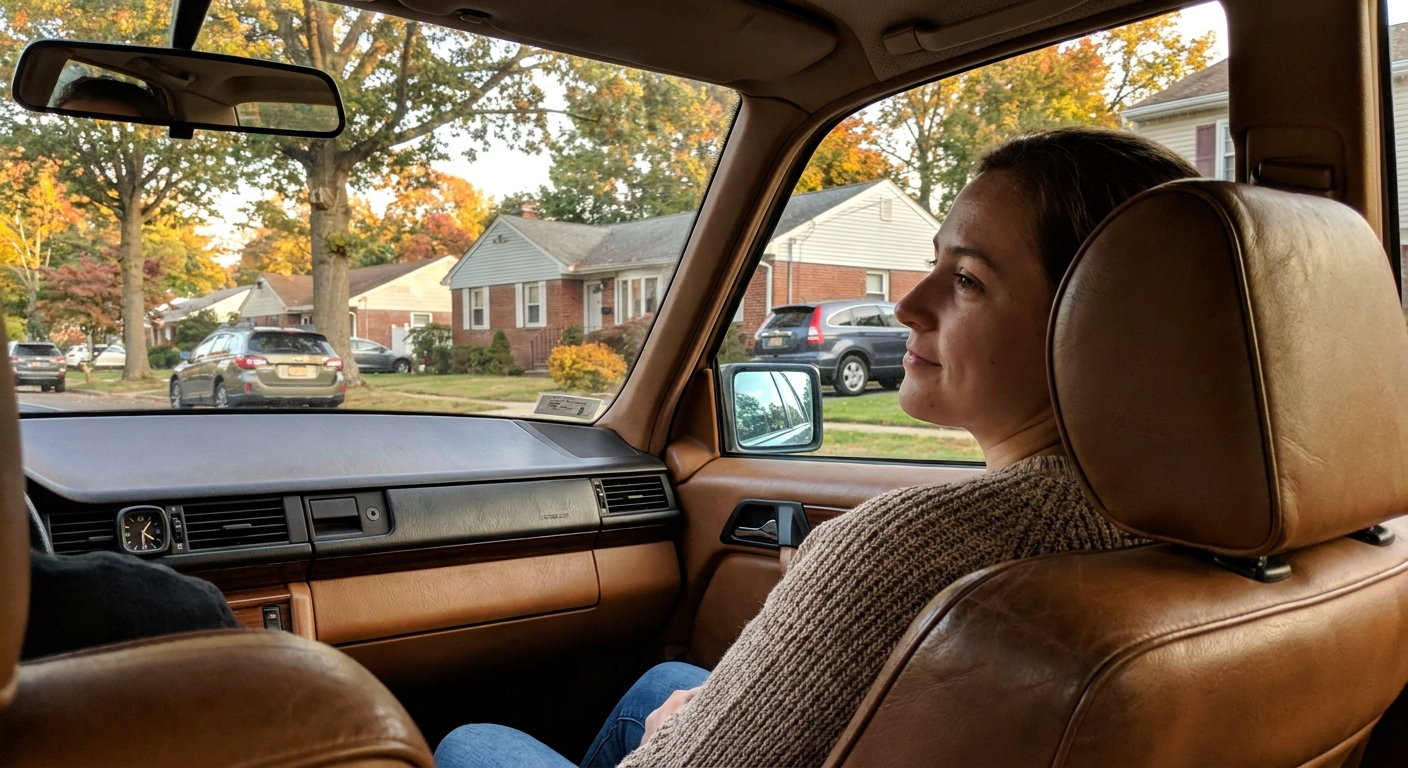
You’re sitting in your car before work, asking yourself whether the weekly therapy appointments are enough, or whether you need something more structured without walking away from your job, your kids, or the court dates you cannot miss.
That question is the real one, and it deserves a straight answer. Knowing when to choose intensive outpatient rehab is not about willpower or how bad things have gotten. It is about fit. Intensive outpatient care, often called IOP, sits between a weekly counseling session and full-day or residential treatment. It gives you real clinical intensity while you keep the life you have been holding together. At Resilience Recovery Center in Fair Lawn, NJ, the decision about whether IOP is right for you comes from a comprehensive biopsychosocial assessment, not a phone script and not your schedule alone. Below is exactly how that decision gets made, and what IOP looks like when it is built around a working adult.
How Do You Know When to Choose Intensive Outpatient Rehab?
IOP may be an appropriate level of care when you are medically stable, do not need 24-hour supervision or medically managed withdrawal, and can participate safely in treatment while living at home. That determination comes from a clinical assessment measured against the ASAM Criteria, the national framework used to match a person to the correct intensity of care.
Resilience Recovery Center operates at intensive outpatient services (ASAM Level 2.1), the standard that defines this level of care. During your assessment, the clinical team looks at your withdrawal risk, your medical condition, any psychiatric symptoms, and your ability to stay safe between sessions. If you are still in active withdrawal, have no recovery time yet, or face the real dangers of alcohol or severe withdrawal, IOP is not the starting point. In those cases you are referred out first to a trusted medical detox partner, and you are welcomed back once you are medically cleared. This is what a softer landing looks like: the right door first, not the convenient one.
The honest version of this is that convenience does not decide your level of care, clinical need does. One person may want IOP badly because it protects their job, and still need a higher level of care first. Someone else may be terrified of IOP and turn out to be a candidate for that level. The assessment cuts through the guesswork. Resilience Recovery Center operates under a New Jersey Department of Health facility license and holds approval from the state Division of Mental Health and Addiction Services to deliver outpatient and intensive outpatient substance use treatment, which means the standards applied to your case are the state’s, not an internal preference. The center is co-occurring and MAT compliant at the ASAM 2.1 level, and while it is not yet nationally accredited, it is actively pursuing that accreditation, and the team says so out loud rather than dressing it up.
Can You Attend IOP Without Losing Your Job?
Yes. The whole schedule is built so you can keep working. Resilience Recovery Center runs both a morning track from 9:00 AM to 12:00 PM and an evening track from 6:00 PM to 9:00 PM, Monday through Friday, so you can attend before your shift or after dinner. Full-intensity IOP is 15 hours a week, three hours a day, five days a week.
As Ivan Kavunik, Ivan Kavunik, puts it: “Both morning (9:00 AM to 12:00 PM) and evening (6:00 PM to 9:00 PM) programming are offered Monday through Friday. IOP is 15 hours per week (3 hours per day, 5 days). Individual therapy, psychiatric appointments, medication management, and case management are coordinated around the client’s schedule, and telehealth options are available for individual sessions so clients can keep working.”¹
Around that core group programming, individual therapy, psychiatric appointments, medication management, and case management get coordinated around your work hours instead of on top of them. Telehealth is available for one-on-one sessions, so a mid-day appointment does not cost you a day of pay. This is treatment designed for real world stressors: the mortgage, the boss, the school pickup, the probation meeting. You are not asked to disappear from your own life to engage in treatment.
The structure also changes as you progress, and that matters for continuity of care. You start at five days a week, then step down to three days (nine hours), then to a one-day-a-week aftercare rhythm, in roughly 30-day increments as your stability holds, though individual timelines vary. That step-down is the difference between a hard exit and a gradual one. Instead of finishing 15 hours a week and then facing the world alone the following Monday, you taper the support while you build the tools on your tool belt. National treatment guidance describes this graduated, phased approach as a core feature of effective intensive outpatient care in SAMHSA’s clinical guidance on intensive outpatient treatment. The point is to support you as you work toward your recovery goals without pulling the floor out from under you.
Who Treats You When Addiction and Trauma Show Up Together?
A dual-licensed clinical team treats your substance use and your mental health at the same time, in the same place. If drinking quiets the anxiety, or opioids silence the PTSD nightmares, or a mood disorder is driving the use, treating only half of that rarely addresses the full picture. Co-occurring conditions like trauma, PTSD, and bipolar disorder are treated alongside the substance use disorder here.
The clinical team is led by Clinical Director Tammy Nussbaum, a Licensed Clinical Alcohol and Drug Counselor (LCADC) with the Certified Clinical Supervisor (CCS) credential and 20 years of experience. The Medical Director is an MD and psychiatrist, which means psychiatric and medication questions are handled by a physician, not passed around. Around them sits a team of dual-licensed therapists (LCADC, LAC, LSW), CADC counselors, peer recovery specialists, a pastoral counselor, and a certified case manager. That range is deliberate, because recovery is whole-person work, and the clinical, the practical, and the spiritual sides of “letting go and letting God” all get room at the table for the people who want it.
The methods themselves are evidence-based and matched to you rather than delivered off a shelf. You may work in cognitive behavioral therapy (CBT) to change the thinking patterns that feed use, dialectical behavior therapy (DBT) for the emotional regulation that trauma and mood disorders demand, trauma-informed care throughout, EMDR by referral when it fits, and coordinated medication-assisted treatment when medication is part of your plan. This is a judgement free zone, and that is not a slogan. It is what makes it possible to tell your therapist the truth about a craving, a slip, or a symptom you have been hiding, which is exactly what treatment needs to work.
The Crisis That Can Interrupt Recovery Before It Starts
Many people who leave IOP early do not leave because the therapy failed. They leave because life fell apart around the treatment: nowhere to sleep, no income, a court date they could not handle alone. Wrap around case management exists to address those crises before they end your recovery.
One client we worked with came out of inpatient treatment with no place to live and no job. Case management secured a two-week sober living scholarship of $500, helped rewrite the resume, and coached the interviews. After six interviews the client landed employment, celebrated 90 days of sobriety, and stayed in stable sober living. Another client, mid-program, had FMLA paperwork filed and temporary disability arranged so the focus could stay on getting well rather than on losing everything. A third client, who had been in treatment 26 times before, received coordinated housing, vocational, and legal support, and now holds a job, has settled legal obligations, and lives in stable housing with 90 days of sobriety behind them.
That is the integration many programs leave out. Housing placement, job placement and resume coaching, legal coordination, benefits and insurance help, and transportation are all handled so a logistical collapse does not become a relapse. You do not have to carry the paperwork, the calls, and the recovery all by yourself. We are here to support you every step of the way, and case management is how that promise becomes something concrete rather than something we just say.
When IOP May No Longer Be the Right Fit
Sometimes the honest answer is that IOP may no longer be sufficient, and that recognition is part of good care, not a failure. If you relapse, if psychiatric symptoms worsen, or if safety concerns increase during treatment, the clinical team assesses what you now need and refers you up to a partial hospitalization program (PHP) or residential care.
This is the same principle that decides whether you start in IOP, applied in the other direction. Treatment has to match your changing clinical need, not your preference or your convenience. A person who wants to stay in IOP because it protects their schedule but keeps returning to use may be underserved, not accommodated. Naming that early, and moving quickly when the picture changes, is how a program built on clinical excellence protects the outcome you actually came for.
Stepping up is not starting over. The relationships, the records, and the recovery work already done travel with you, and the goal remains the same: getting you back to a level of care you can sustain. IOP is a level in a continuum, not a finish line, and knowing when to choose intensive outpatient rehab includes knowing when a different level may serve you better right now.
Frequently Asked Questions About Choosing IOP in Fair Lawn, NJ
Do I need to complete detox before starting intensive outpatient rehab?
If you are in active withdrawal or need medical supervision to stop safely, yes. Resilience Recovery Center requires medical stability for IOP and refers those clients to a trusted detox partner first, then welcomes you back once you are medically cleared to participate.
Can I keep my job while attending IOP in Fair Lawn?
Yes. Morning sessions run 9:00 AM to 12:00 PM and evening sessions run 6:00 PM to 9:00 PM, Monday through Friday. Individual therapy and psychiatric appointments are coordinated around your hours, with telehealth available for one-on-one sessions so treatment fits your workweek.
Does Resilience Recovery Center treat co-occurring mental health conditions?
Yes. The dual-licensed team treats trauma, PTSD, and bipolar disorder alongside substance use disorders, using CBT, DBT, and trauma-informed care. An MD psychiatrist serves as Medical Director, and Clinical Director Tammy Nussbaum, LCADC, CCS, brings 20 years of experience.
What happens if I relapse during intensive outpatient treatment?
Clinical staff assess your safety and whether IOP still meets your needs. If it no longer does, you may be referred to a higher level of care, such as PHP or residential. A return to use is treated as clinical information, not a reason for shame.
How does case management support my recovery during IOP?
Case managers coordinate sober living placement, job placement and resume coaching, legal obligations, benefits, and transportation. Handling these practical pressures can help prevent the logistical crises that cause people to drop out during early recovery, keeping your focus on treatment.
Call Resilience Recovery Center at the number on this page to schedule a biopsychosocial assessment and find out whether IOP is the clinically appropriate level of care for your situation right now. The first honest step is not committing to a program, it is letting someone measure the need with you so you stop guessing alone.
Expertise and insights from
- Ivan Kavunik, Ivan Kavunik
Take the Next Step Toward Recovery That Fits Your Life
If you’re weighing whether intensive outpatient treatment can give you the structure you need while protecting the responsibilities that matter, you’re asking the right question. Resilience Recovery Center in Fair Lawn, NJ designs programs around real life, not theory. A brief conversation can help you understand what level of care makes sense for where you are right now.
Call Resilience Recovery Center
Individual results vary. The client experiences described here are individual stories and are not promises or predictions of any specific outcome for any person.