
Understanding Suboxone maintenance treatment
If you are looking into a Suboxone maintenance treatment program, you are already considering one of the most evidence-based ways to stabilize opioid addiction and protect your long‑term recovery.
Suboxone is a prescription medication that combines buprenorphine, a partial opioid agonist, and naloxone, an opioid antagonist. Together, they help you manage cravings and withdrawal symptoms without the intense euphoria that fuels addiction [1]. Buprenorphine attaches to your brain’s opioid receptors in a controlled way, which prevents withdrawal and reduces cravings. Naloxone is included to discourage misuse by injection or snorting, since it can trigger withdrawal if misused but is poorly absorbed when you take Suboxone as prescribed [1].
Suboxone is one of the most commonly used medications in medication assisted treatment for opioid addiction and is often part of a structured suboxone treatment program. Understanding how it works and what to look for in a program will help you make a confident, informed choice about your next step.
How Suboxone supports long‑term recovery
Suboxone is not a quick fix. It is a tool that can give your brain and body the time they need to heal so that you can build a different life.
How Suboxone works in your body
When you start Suboxone, buprenorphine:
- Binds strongly to opioid receptors
- Eases physical withdrawal symptoms
- Reduces cravings
- Blocks or blunts the effects of other opioids
Because it is a partial agonist, it activates the receptors just enough to keep you stable without producing the powerful high associated with heroin or full‑agonist prescription painkillers [2]. This helps you function normally, go to work, and participate in therapy.
Suboxone also has a long half‑life, usually between 24 and 42 hours, which means you can often take it once daily and experience steady relief from withdrawal and cravings across your day [2]. This stability is one of the main reasons it is so effective in a medication assisted recovery program that is focused on long‑term change.
Why maintenance treatment matters
Short detox alone is rarely enough to keep you from returning to use. Maintenance treatment with medications such as Suboxone or buprenorphine is associated with:
- Lower relapse rates
- Reduced illicit opioid use
- Better retention in treatment
- Dramatically lower overdose risk
Medication assisted treatment with Suboxone is linked to about a 50 percent reduction in overdose‑related deaths, according to data summarized by SAMHSA [3]. When you stay in a structured opioid addiction medication assisted treatment plan, you gain stability that supports every other part of your recovery.
At Resilience Recovery Center, Suboxone is integrated into a broader mat program for opioid use disorder so that you are not just taking a medication, you are rebuilding your life with support.
What happens in a Suboxone maintenance treatment program
Every program operates differently, but effective Suboxone maintenance follows a similar sequence of phases. Knowing what to expect can reduce anxiety and help you prepare.
Assessment and planning
Your Suboxone maintenance treatment program should begin with a complete assessment. This usually includes:
- Detailed substance use history
- Medical and psychiatric history
- Review of current medications
- Physical exam and basic lab work
- Screening for co‑occurring mental health conditions
This information allows your care team to decide if suboxone based addiction treatment or another buprenorphine treatment for opioid addiction is right for you and to design a plan that fits your medical needs and personal goals.
Induction phase
Induction is the process of starting Suboxone. To avoid precipitated withdrawal, you usually begin Suboxone 12 to 24 hours after your last use of short‑acting opioids, when early withdrawal has clearly started [1].
During induction, your provider:
- Starts with a low dose
- Monitors your symptoms and cravings
- Adjusts your dose in small steps over the first few days
At Resilience Recovery Center, induction is closely supervised within our medication assisted treatment clinic, with medical staff available to adjust your dose and manage any side effects quickly.
Stabilization and dose optimization
Once early withdrawal has been controlled, you enter the stabilization phase. The aim is to find the lowest dose that:
- Keeps you out of withdrawal
- Reduces cravings to a manageable level
- Allows you to function in daily life
Many people stabilize around 16 mg of buprenorphine per day, often written as 16 mg/4 mg (buprenorphine/naloxone) [4]. Some studies suggest that higher doses, up to 24 to 32 mg, may be associated with longer retention and fewer emergency department visits for some patients [5]. Your provider will individualize dosing based on your response and safety.
Maintenance and ongoing support
The maintenance phase is where long‑term healing happens. In this stage, you:
- Continue your stable Suboxone dose
- Participate in ongoing counseling and support groups
- Work on employment, relationships, and mental health
- Adjust your plan as life circumstances change
You may stay in a Suboxone treatment for opioid addiction program for months or years. At Resilience Recovery Center, you and your provider regularly reassess your goals, including whether and when a gradual taper might make sense. There is no one “right” length of maintenance, and remaining on Suboxone long term is often safer than risking relapse.
The role of counseling and behavioral therapy
Medication is only one part of successful recovery. The most effective Suboxone maintenance programs use a system‑based approach that combines medication with counseling, behavioral therapies, and peer support [3].
Why therapy is essential
Opioid use disorder is not only physical. It is also tied to:
- Trauma and unresolved pain
- Depression, anxiety, or PTSD
- Learned coping patterns
- Relationship and family stress
Without addressing these underlying issues, you remain vulnerable to relapse, even if your cravings are controlled.
That is why a high‑quality mat therapy program for addiction integrates:
- Individual counseling to explore your history, beliefs, and triggers
- Cognitive behavioral therapy to change unhelpful thought patterns
- Relapse prevention planning for real‑world high‑risk situations
- Family or couples therapy when appropriate
Suboxone gives your brain the stability to fully participate in this work.
Peer support and community
Connection is another powerful part of recovery. Many programs encourage you to participate in:
- Peer support groups such as SMART Recovery or Narcotics Anonymous
- Program‑run process groups focused on coping skills
- Alumni activities that maintain connection after formal treatment
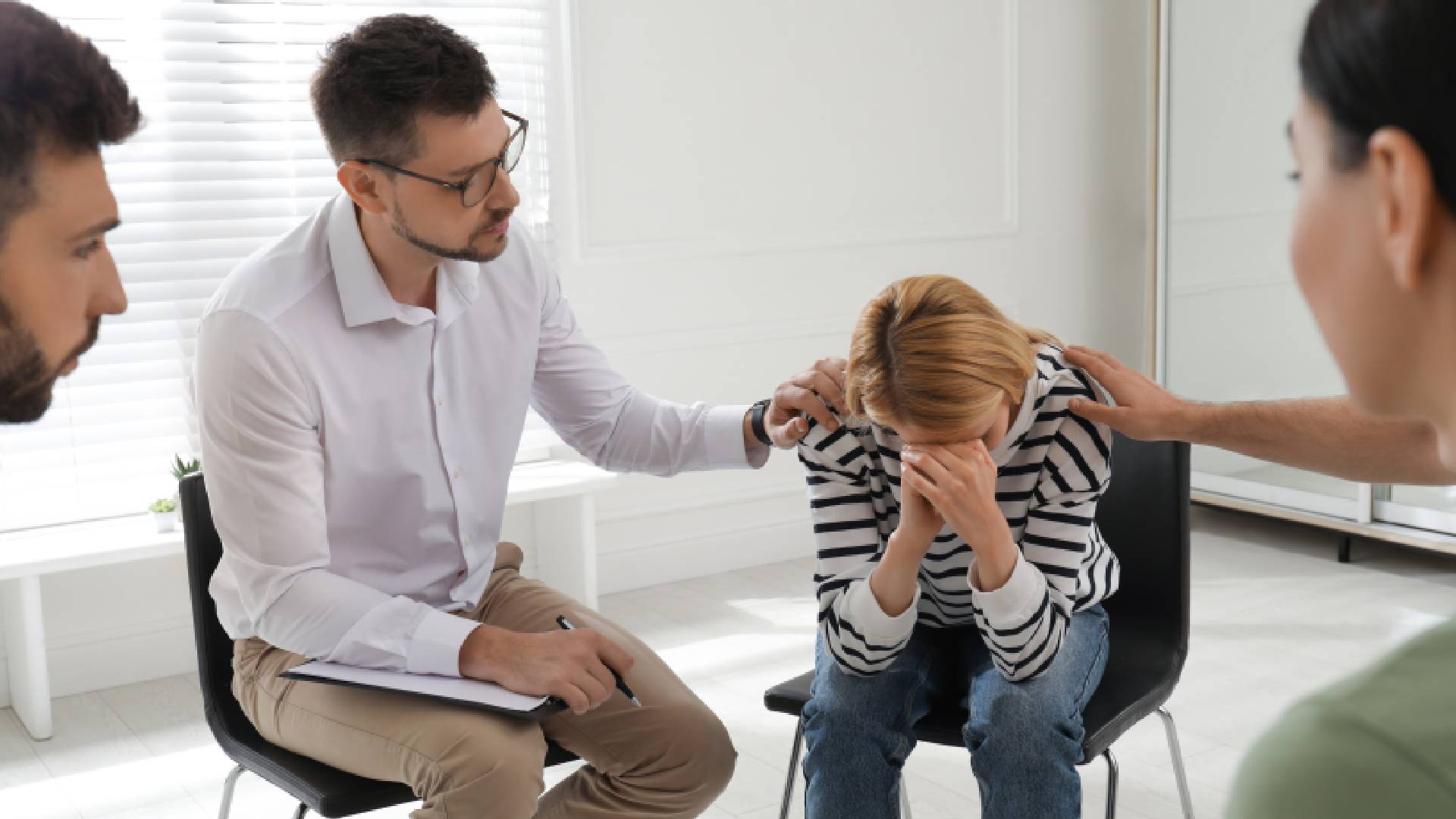
When you are engaged in a supportive medication assisted therapy for addiction environment, you can share your story with people who genuinely understand what you are facing. At Resilience Recovery Center, group offerings and community support are built into our mat program with counseling so that you are not walking this path alone.
Medication gives your recovery a foundation. Therapy and community build the structure that can stand for the long term.
Safety, side effects, and risks
Any opioid medication, including Suboxone, needs to be used carefully. Understanding potential risks will help you use it safely and know when to contact your provider.
Common and serious side effects
Most people tolerate Suboxone well. Common side effects are usually mild and may include:
- Headache
- Nausea or constipation
- Sweating
- Sleep changes
Suboxone used as a sublingual or buccal film has been associated in rare cases with dental problems such as cavities or tooth loss, which might make an alternative formulation worth considering if you already have significant dental issues [6].
Serious side effects are uncommon when the medication is taken as prescribed, but they can include:
- Breathing problems, especially if combined with alcohol or benzodiazepines
- Precipitated withdrawal if started too early after your last opioid use
- Allergic reactions
Using Suboxone with other central nervous system depressants, such as benzodiazepines or alcohol, significantly increases overdose risk and should be avoided whenever possible [1].
At Resilience Recovery Center, your opioid addiction mat clinic team monitors these risks closely and coordinates with your other medical providers to keep your treatment as safe as possible.
Dependence versus addiction
You may worry that taking Suboxone means you are “still addicted.” It can help to understand the difference between:
- Physical dependence, which is your body’s adaptation to a medication that you take regularly
- Addiction, which involves compulsive use despite harm, loss of control, and continued use to feel high rather than feel normal
Suboxone maintenance treatment creates physical dependence, just like some blood pressure or antidepressant medications do. Addiction, however, is what you are working to heal from. When you follow your prescription within a structured medication assisted opioid recovery program and your life is improving, you are in treatment, not in active addiction.
How to compare Suboxone maintenance programs
Not every Suboxone provider offers the same level of support, structure, or safety. When you are comparing options, it helps to know what to look for and what questions to ask.
Program features to prioritize
As you evaluate potential programs, consider how they address the following key areas:
| Program element | What to look for | Why it matters |
|---|---|---|
| Comprehensive assessment | Medical, psychiatric, and social evaluation before prescribing | Ensures Suboxone is safe and appropriate for you |
| Supervised induction | Careful timing after last opioid use and monitored dosing | Reduces risk of precipitated withdrawal |
| Dose optimization | Willingness to individualize dose within safe limits | Improves comfort and retention in treatment [7] |
| Integrated counseling | Required or strongly encouraged therapy | Addresses the root causes of your addiction |
| Peer support | Groups and community connections | Builds accountability and belonging |
| Care coordination | Communication with your primary care and specialists | Supports your whole health, not just addiction |
| Flexibility | Telehealth, evening hours, outpatient options | Makes it realistic to stay engaged long term |
A strong medication assisted treatment program should be prepared to support you in each of these areas, not just write a prescription.
Inpatient, outpatient, and hybrid options
You may be unsure whether you need residential treatment or if outpatient care is enough. Many patients begin Suboxone in outpatient settings, including specialized buprenorphine outpatient treatment and mat outpatient addiction treatment.
Outpatient care can be a good fit if:
- You have a safe and stable home environment
- You can get to appointments or attend telehealth sessions
- You are medically stable without life‑threatening complications
If your situation involves high medical risk, severe co‑occurring mental health symptoms, or unstable housing, you might begin in a higher level of care and then step down into outpatient services. Resilience Recovery Center can help you determine the right level of care for your needs and then continue your opioid recovery medication assisted program as you move forward.
How Resilience Recovery Center approaches MAT with Suboxone
You have many choices when it comes to Suboxone providers. What sets Resilience Recovery Center apart is a comprehensive, person‑centered approach to medication assisted treatment.
Integrated MAT model
At Resilience Recovery Center, Suboxone is one tool within a structured medication assisted treatment for opioid addiction program. Our approach includes:
- Thorough intake assessment covering medical, psychiatric, and social factors
- Individualized induction and stabilization that respects your history and comfort level
- Ongoing dose review to balance symptom control with safety
- Required counseling as part of our mat therapy for opioid dependence
- Access to group support and relapse prevention education
We understand that your recovery is not only about stopping opioid use. It is about creating a life that feels worth staying for. Your Suboxone plan is always integrated into that larger goal.
Flexible outpatient structure
Many people cannot pause their lives for residential care. Our mat outpatient addiction treatment model is designed to fit into your real world by offering:
- Regularly scheduled appointments that respect your work and family responsibilities
- Telehealth options where appropriate
- Coordination with your primary care provider and specialists
- Long‑term follow‑up that does not abruptly end after a set number of weeks
Within this structure, you can receive suboxone treatment for opioid addiction in a way that is realistic and sustainable for your situation.
Focus on whole‑person healing
Medication is important, but you are more than your prescription. Our medication assisted treatment clinic focuses on:
- Co‑occurring mental health conditions like depression, anxiety, or PTSD, which can significantly impact treatment success [6]
- Trauma‑informed care that recognizes how past experiences shape present behaviors
- Practical support related to employment, relationships, and life skills
By addressing the full picture, we help you build a recovery that can last long after the early crisis phase.
Questions to ask before you commit
Before starting any Suboxone maintenance treatment program, it is appropriate to ask direct questions. You deserve clear, respectful answers. Consider asking:
- How do you decide if Suboxone is right for me compared to other medications
- How do you manage induction to avoid precipitated withdrawal
- What is your typical process for adjusting doses over time
- Is counseling required, and what types of therapy do you offer
- How do you coordinate with my other doctors or mental health providers
- What happens if I relapse while in treatment
- How do you approach tapering if I decide to come off Suboxone in the future
The way a program responds to these questions will tell you a lot about whether it is a good fit. At Resilience Recovery Center, transparency and collaboration are central to how we deliver suboxone based addiction treatment and all other MAT services.
Taking your next step toward recovery
Choosing a Suboxone maintenance treatment program is a major decision. You are weighing safety, effectiveness, and how well a program fits the reality of your life. Suboxone, combined with a comprehensive medication assisted opioid recovery program, can:
- Reduce your risk of overdose
- Stabilize your daily life
- Give you the space to work on deeper emotional and practical issues
- Support meaningful, long‑term recovery
If you are ready to explore your options, reaching out to a structured opioid addiction medication assisted treatment provider like Resilience Recovery Center can be the next right step. With the right combination of medication, therapy, and support, you can build a recovery plan that works for you today and grows with you over time.