
Sleep disorders involve ongoing difficulties with falling asleep, staying asleep, or achieving restorative sleep that interferes with daily functioning, emotional regulation, and recovery. Sleep challenges may include insomnia, disrupted sleep cycles, irregular sleep patterns, or sleep difficulties related to stress, anxiety, trauma, or substance use.
At Resilience Recovery Center, we understand that sleep is foundational to both mental health and recovery. Poor sleep affects mood, decision-making, stress tolerance, and relapse risk. Many individuals turn to alcohol, marijuana, prescription medications, or other substances to fall asleep or stay asleep, which often worsens sleep quality over time.
Sleep disorders are not simply bad habits. They are treatable conditions that require structured, evidence-based, and compassionate care.
Chronic sleep disruption can affect nearly every aspect of daily functioning, particularly for individuals balancing work, family, and recovery responsibilities.
Common impacts include difficulty falling or staying asleep, waking feeling unrefreshed or exhausted, daytime fatigue and low energy, irritability or emotional reactivity, difficulty concentrating or making decisions, increased anxiety or depressive symptoms, reduced stress tolerance, inconsistent work performance or absenteeism, reliance on substances to initiate or maintain sleep, and increased relapse risk due to exhaustion and impaired judgment.
For many working adults, sleep problems are normalized until burnout or recovery setbacks occur.
Resilience Recovery Center approaches sleep disorders with clinical expertise, structure, and respect for human dignity. We do not rely on quick fixes or promote dependence on sleep aids without addressing underlying causes.
Our philosophy emphasizes compassion, accountability, and clinical excellence. We help clients understand how sleep, stress, mental health, and substance use interact while supporting them in developing healthier sleep routines and nervous system regulation strategies.
Treatment focuses on restoring natural sleep patterns and supporting long-term recovery stability.
Sleep disorders and substance use disorders frequently reinforce one another. Substances may initially seem to help with sleep, but over time they disrupt sleep cycles, worsen insomnia, and increase emotional instability.
Our integrated treatment model addresses sleep disorders and substance use together through coordinated care. This may include outpatient or intensive outpatient programming, individual therapy, group therapy and psychoeducation, relapse prevention planning, MAT coordination when clinically appropriate, and holistic wellness services.
Treating both conditions simultaneously supports improved sleep quality and long-term recovery outcomes.
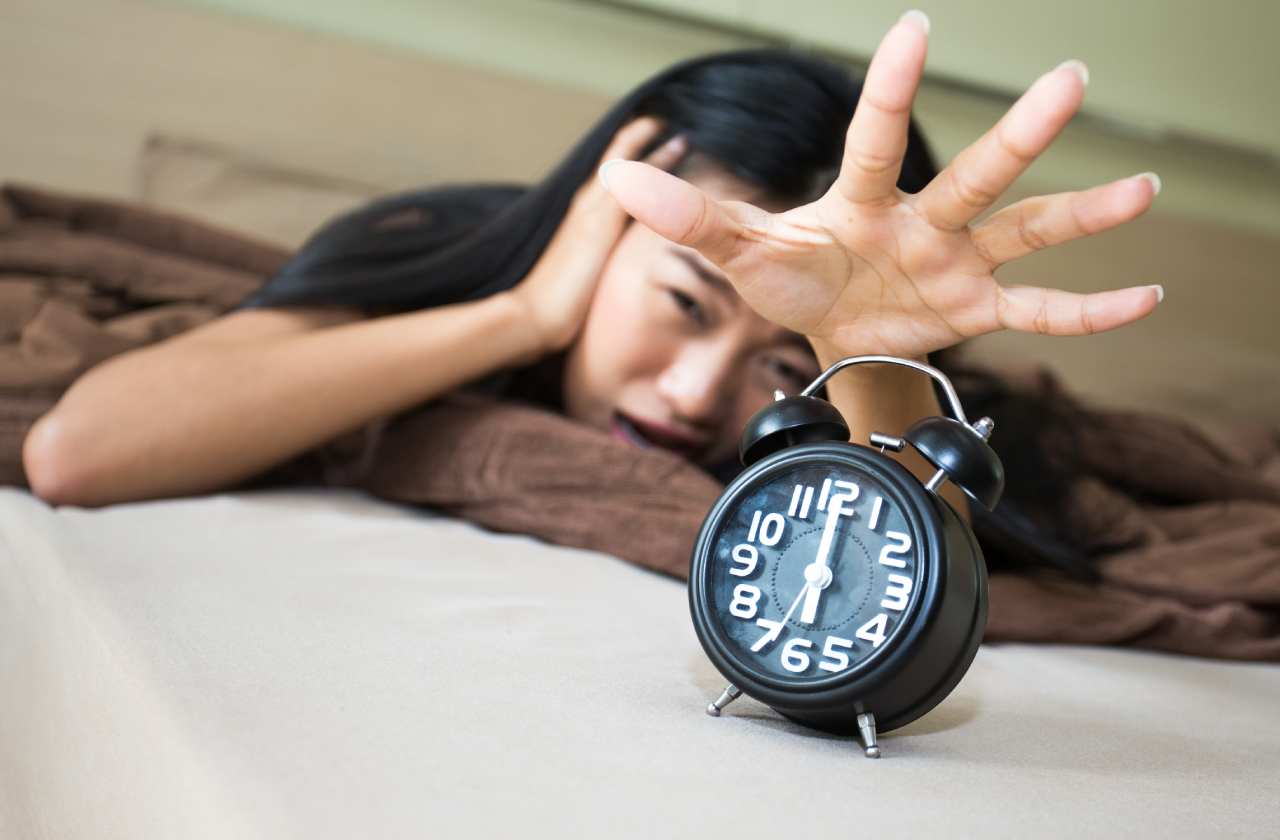
Effective sleep disorder treatment focuses on building habits and skills that support healthy sleep without reliance on substances. Our programs emphasize practical, sustainable strategies.
Clients work on understanding sleep patterns and triggers, nervous system regulation and relaxation techniques, stress management and emotional regulation skills, establishing consistent sleep routines and schedules, improving sleep hygiene and environmental factors, managing racing thoughts or nighttime anxiety, accountability through structured treatment participation, and planning for sleep disruptions during stress or life changes.
These skills help clients regain restful sleep and improve daytime functioning.
Sleep disorders often co-occur with anxiety disorders, depressive disorders, trauma-related symptoms, emotional dysregulation, stress-related conditions, and mood disorders. These conditions are addressed alongside sleep challenges through integrated care planning.
Treatment plans are individualized and adjusted as clients progress to ensure care remains effective and supportive.
Our sleep disorder treatment services are designed for adults who are motivated, or becoming motivated, to improve sleep as part of their recovery and mental health. Many clients are working professionals, caregivers, or individuals experiencing chronic stress, anxiety, or substance use-related sleep disruption.
Our outpatient-based model allows individuals to receive integrated care while remaining engaged in work, family, and community responsibilities whenever clinically appropriate.
Sleep disruption can significantly affect work performance, relationships, and overall health. Our services extend beyond therapy to support real-world stability.
Clients may receive case management and care coordination, vocational and job-related support to address fatigue-related performance challenges, connections to recovery-oriented housing when sleep environment stability is a concern, holistic wellness services such as life coaching, nutrition guidance, and neuroscience-informed recovery strategies, and aftercare planning focused on long-term sleep health and recovery success.
These supports help clients translate improved sleep into better daily functioning and resilience.
Integrated mental health and substance use treatment
Individualized care planning for sleep disorder needs
Experienced clinical and medical leadership
Evidence-based sleep regulation strategies
Flexible scheduling designed for working adults
A compassionate environment grounded in dignity and respect