
Discharge day comes, and the structure ends. The cravings, the commute, and the job do not. That is why people leaving treatment may find it useful to have a written plan before they go. It can name who you will call, where you will be on each day of the first 30 days, and what you will do in the first 48 hours if a hard moment hits. A recovery plan for addiction after discharge is not a pamphlet or a pep talk. It is a short document with names, dates, and phone numbers on it, and you write it while you still have a team around you.
At Resilience Recovery Center in Fair Lawn, NJ, discharge is not one day on the calendar. It happens in stages. Our intensive outpatient program steps you down gradually, a multidisciplinary team reviews your progress every 30 days, and we stay in contact with you for 30 days after treatment ends. Your plan can follow the same shape: staged, reviewed, and built around the life you already have.
By the end of this guide, you will know what to gather before you start. You will also have worked through seven numbered steps that cover your schedule, your job and family, your medical care, your practical barriers, and your emergency response. The result is a written plan that you and the people closest to you can use. It may help make hard days easier to manage. No plan can promise any particular outcome. It does mean you are not making it up as you go.
What Do You Need Before You Write Your Recovery Plan?
Before you write anything, it helps to have four things in hand: your current level of care, your discharge date, your medical status, and the names of the people helping you. Without those, the plan is guesswork.
Start with where you are coming from. Resilience Recovery Center does not provide detox or residential care. If you are stepping down from one of those settings somewhere else, bring your discharge summary. Outpatient care is for people who are medically stable, which means they do not need 24-hour supervision or medically managed withdrawal and can take part in outpatient care safely. Finishing detox is a real accomplishment, but it is not the same as completing treatment. The National Institute on Drug Abuse describes detox as only the first step in the process, not treatment by itself, and notes that people who get no further treatment after detox usually return to use. That is why it helps to line up the next level of care before the last one ends.
Next comes the assessment. During the first call and assessment, the admissions team looks at your current substance use, your mental health concerns, your medical history, your safety needs, your past treatment, and your schedule. That picture guides placement at the right level of care. In many cases, people can complete an assessment and begin treatment within 24 to 48 hours. Timing depends on clinical needs, provider availability, and insurance authorization. If the assessment shows you need more than outpatient care, the admissions team helps coordinate the right referral instead of simply turning you away.
Then gather the paperwork of your actual life:
- Your work schedule, including shift times and your commute
- Family obligations, such as school pickups or caring for a parent
- Legal obligations, such as court dates, probation check-ins, or DUI requirements
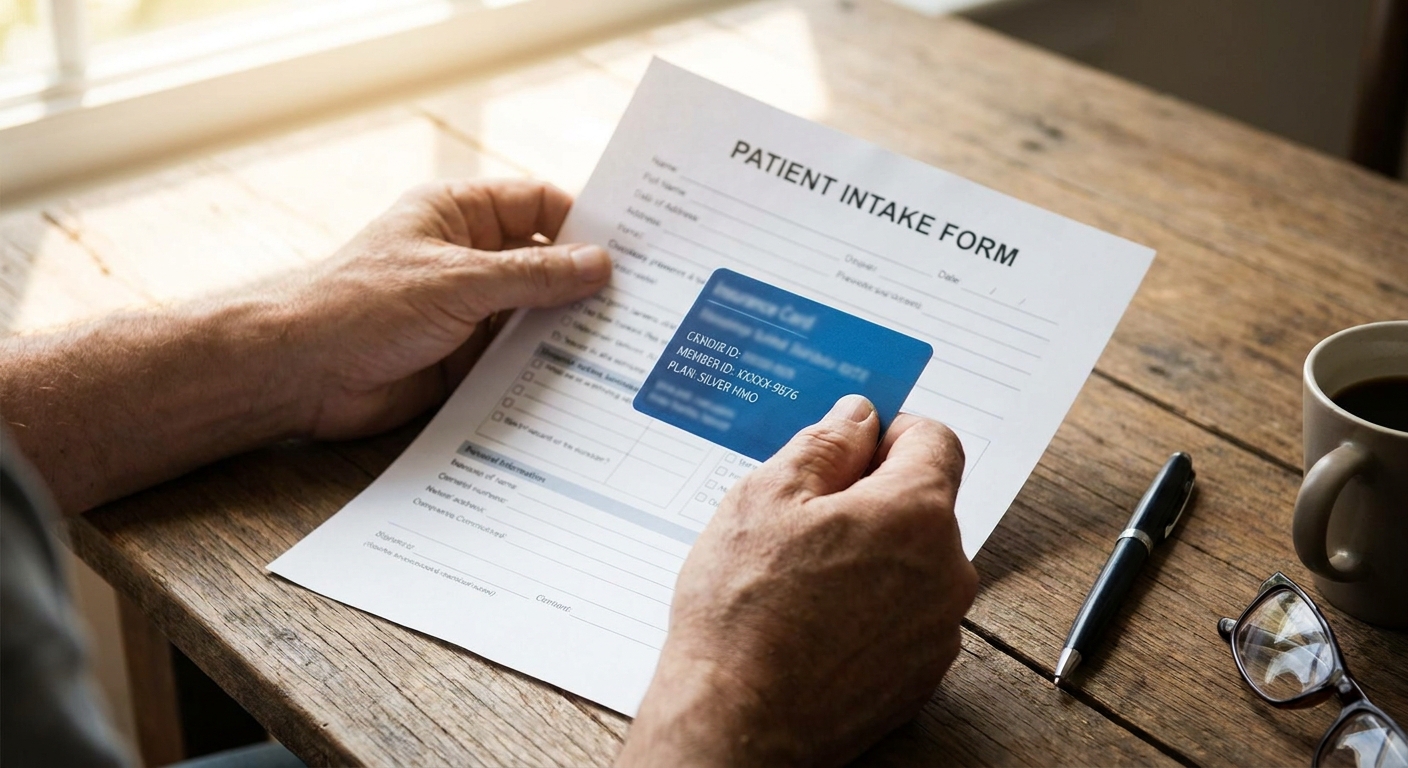
- Your insurance card and plan details
Resilience Recovery Center accepts Aetna, Blue Cross Blue Shield, Cigna, and UnitedHealthcare. That does not mean the center is in-network with these plans, and benefits vary from plan to plan. The admissions team runs a complimentary insurance verification so you know where you stand before services begin.
Last, write down your people. If a spouse or parent has been carrying the house while you got help, put their name on the plan. Give them a defined role, such as the person you call when a craving spikes after work. Try not to make them your monitor. Many families are exhausted by the time treatment starts, and a clear role can be easier on everyone than constant worry.
Step 1: Why Should You Plan for Stages Instead of One Cliff?
Consider building your plan around steps down, not a sudden stop. At Resilience Recovery Center, IOP provides 9 hours of clinical programming a week, in three-hour sessions, three days a week. From there, clients step down to OP, which typically includes one to two group sessions a week along with individual counseling and case management. Aftercare then adds a one day a week, three-hour step-down. A multidisciplinary team does a formal review every 30 days.
Here is why this matters. Going from regular groups to nothing overnight is a cliff. One week you have a room full of people who know your story and a therapist who notices when you go quiet. The next week you have an empty Tuesday evening and the same drive home past the same places. A staged step-down is designed to offer a softer landing. You have fewer hours at each stage, but you keep the same team and the same accountability while you practice using your tools on your own.
The 30-day review is not a test you pass or fail. It is guided by ASAM criteria, and the team looks at your whole clinical picture. Attendance matters (generally at least 85%). So do at least three consecutive negative urine drug screens, not counting prescribed medications. The team also looks at short standardized questionnaires for depression and anxiety, the PHQ-9 and GAD-7, where a drop of five or more points is considered clinically meaningful. On top of that come your psychiatric stability, how you are doing with any medication, your relapse risk, and your progress toward the goals in your plan.
No single number decides the outcome. Someone who looks strong on attendance and screens may stay in IOP if psychiatric symptoms, safety concerns, or relapse risk are still high. Someone whose depression score barely moved may still step down if the overall picture shows they are ready. The decision follows the person, not the spreadsheet.
So put the checkpoints in writing. On page one of your plan, write your next review date. Under it, write what changes at each stage. For example: “When I move from IOP to OP, Monday and Wednesday evenings open up. Here is what fills them: a meeting Monday, a sponsor call and dinner with my family Wednesday.” When the hours drop, the plan already shows where the time goes.
Step 2: How Do You Put Dated, Named Actions in Your First 30 Days?
Once you know your stages, fill them in. Turn every goal into a weekly action with a name and a date beside it, and bring those actions to each 30-day review with your treatment team.
Vague goals can fall apart. “Get back to work” is a wish. A real plan breaks that wish into weeks. Week one might be editing your resume with your case manager. Week two might be setting up job accounts and sending applications. Week three might be lining up transportation for interviews. Week four might be preparing for onboarding, including how your new schedule fits with treatment. Each week has one clear target, and each target has a person who checks in on it. That is what wrap around case management looks like day to day. One team helps keep the clinical, practical, and personal pieces moving in the same direction.
Next, lock in your treatment hours. Resilience Recovery Center in Fair Lawn, NJ runs morning programming from 9 AM to 12 PM and evening programming from 6 PM to 9 PM, Monday through Friday. If you work days, evening groups may let you finish your shift and still show up. If you work nights or care for kids after school, mornings may fit better. The team also coordinates individual therapy, psychiatric appointments, and case management around your schedule whenever possible. When it is clinically appropriate and your insurance allows it, telehealth may be used for some sessions. That can be useful when a work trip or a short illness would otherwise mean a missed appointment.
Here is what one page of a real first-30-days plan might look like:
| Day | Fixed commitment | Recovery action | Person responsible |
|---|---|---|---|
| Monday | Work 8 AM to 4 PM | Evening IOP, 6 PM to 9 PM | You |
| Tuesday | Work 8 AM to 4 PM | Sponsor call at lunch, meeting at night | You and your sponsor |
| Wednesday | Kids’ pickup at 3 PM | Case management check-in on weekly goal | Your case manager |
| Saturday | Family time | Plan meals and rides for the week | You and your spouse |
The table matters less than the habit behind it. Every slot has an owner, so nothing important depends on remembering.
Step 3: What Should Your Plan Say About Work, Family, and Social Situations?
A schedule tells you where you will be. This step covers what you might do when pressure finds you there. Your plan can name your workplace triggers, your stress points at home, your social risks, and the exact words you will use to ask for what you need. It can also include a clear rule for when recovery has to come before work.
Many online templates stop at “avoid triggers.” That may not be enough for working adults. Your triggers show up on a schedule: the Friday happy hour, the client dinner, the boss who texts at 9 PM, the argument that always starts at bedtime. Write those down by name. Then write a boundary for each one and a script for saying it. “I’m skipping drinks tonight, but I’ll be in early tomorrow.” “I need 20 minutes when I get home before we talk about money.” Practicing the words ahead of time may make real world stressors easier to handle when they come at you sideways.
Then list your craving tools. These are the tools on your tool belt: cognitive behavioral therapy (CBT) skills for challenging the thought that “one won’t hurt,” mindfulness, grounding, urge surfing (riding out a craving the way you would ride out a wave), healthy distractions, and medication-assisted treatment when it is appropriate. Be honest in your plan about which tools have worked for you before and which have not. A tool that did not help you twice may not belong at the top of your list.
Next, name your people and your recovery practices. Your plan might include daily sponsor calls, 90 meetings in 90 days, working the 12 steps, and service work. Find community recovery meetings near Fair Lawn, NJ that fit around your job, and write down the day, time, and place of each one. Some people find that the steps offer a way to stop carrying everything alone. Aftercare at Resilience Recovery Center adds one day a week for three hours, plus continued recovery life coaching for accountability.
Now the decision rule. You may be thinking: if I step away from work, I lose the job, and then we lose the house. That fear is real, and it makes sense. When work or home is actively getting in the way of recovery, the team can rebuild the plan to put recovery first. Rebuilding can mean completing FMLA and temporary disability paperwork and placing you in sober living through our housing network. Whether you qualify for leave depends on your employer and your work history, so the team helps you check before anything is filed. The goal is not to take your life apart. The goal is to support you in getting steady enough to return to your life.
Step 4: How Do You Set Up Medical Care and Medication Support?
Name a local primary care physician in your plan, sign a records consent before discharge, and write down your medication and who is overseeing it. Medical continuity is a step in its own right, not something to sort out later.
While you are in care, Resilience Recovery Center provides MAT treatment and compliance support, with oversight from our medical director. For people with co-occurring disorders such as depression, anxiety, or trauma-related symptoms, psychiatric medication management may also be part of care when appropriate. Treatment ends, though, and your medical care does not have to end with it. That is why the team encourages every client to establish a stable local primary care physician before discharge. You sign a consent form so the physician can receive documentation of what your treatment looked like. That way, the doctor who sees you next month is not starting from zero. The team also stays in contact for 30 days after treatment ends, so there is time to line up each piece.
Here is one person’s experience. One client came to us from detox elsewhere. He started IOP while still working, going to school, and handling everything for his apartment. He still had cravings, and he acted on them. So the team rebuilt his plan. We completed his FMLA and temporary disability paperwork and placed him in sober living so he could focus on his recovery without the stressors of work and home. He met with our medical director to discuss medication that might help with his cravings, and he started on Suboxone. He reported that his cravings eased after about a week, and he is now scheduled for the monthly shot. This was one person’s experience, and people respond to medication differently and on different timelines. The plan for him is to work toward returning to his regular life, but first the team makes sure he is stable and able to continue his recovery.
For your own plan, write medication down as specific lines, not as a general idea:
- The medication name and schedule
- Your next appointment date
- Your pharmacy
- Who you call about side effects
- The name of your primary care physician and the date you signed the records consent
If any line is blank on discharge day, that blank is your first task.
Step 5: How Do You Handle Transportation, Legal, and Insurance Barriers?
Medical follow-up only works if you can get to it. Write each practical obstacle down with a plan beside it, because a missed ride or a court date can disrupt attendance as quickly as a craving can.
Transportation comes first because it is easy to underestimate. At Resilience Recovery Center, the case management team coordinates transportation on a case by case basis for OP and IOP clients when getting there is a barrier. That includes people who lost their license after a DUI. Rides are planned around morning or evening programming whenever possible so you can still get to work. One client who lost their license after a DUI kept working full time, attended evening IOP, received medication management, and worked to meet their probation requirements, with transportation and scheduling coordinated through one care plan. That was one person’s experience. Your plan can say how you get to every group, every appointment, and every meeting, and who your backup ride is.
Legal obligations belong in the plan too. With your written authorization, and in line with HIPAA and 42 CFR Part 2 confidentiality rules, your case manager can be the main point of contact for your attorney, your probation or parole officer, and court personnel. The team can provide attendance records, compliance letters, treatment enrollment verification, and discharge summaries. They also schedule treatment around court appearances, probation check-ins, and drug testing, so the two do not compete. The team does not give legal advice, represent you in court, or replace your attorney.
Then put insurance in writing. Resilience Recovery Center accepts Aetna, Blue Cross Blue Shield, Cigna, and UnitedHealthcare. The center is not in-network with these plans, so your benefits depend on your specific plan. The admissions team completes a complimentary verification and explains any possible out-of-pocket costs before treatment begins. Federal law also matters here. The Mental Health Parity and Addiction Equity Act generally requires health plans that offer mental health and substance use disorder benefits to keep those benefits on par with medical and surgical benefits. That protection does not guarantee any plan pays for any particular service, which is exactly why verification belongs on your list.
Step 6: What Is Your Emergency Plan and First 48 Hours After a Lapse?
Even a strong plan needs a section for the day things go sideways. Write your lapse response now, while you are steady. It can say who you call first, how you reconnect with treatment, and how you seek support quickly if cravings rise or a lapse occurs.
Start with safety. If there is any sign of overdose or medical danger, the plan says one thing: call 911 or go to the nearest emergency room. Put that at the top, in bold, where your spouse or parent can find it.
After safety, the plan shifts to reconnecting. Write down the first person you will call, the number for your treatment team, and the steps that get you back into care, such as reaching out to your case manager, calling your sponsor, and getting to a meeting the same day. There is no shame and no punishment in that process. A lapse gives the team information about what your plan needs. It does not cancel the work you have done.
Sometimes the right move is more structure. Depending on your clinical picture, that could mean returning to IOP for a while, or moving into Resilience Recovery Center’s partial hospitalization program (PHP), which provides more structure than IOP. If your needs go beyond outpatient care, such as medically managed withdrawal or 24-hour supervision, you may need a higher level of care first, somewhere else. The team helps coordinate that referral so you are not left searching alone.
You may also be carrying a quieter fear: “I’ve tried before, I always go back, so what’s the point?” That fear deserves a straight answer. SAMHSA’s working definition of recovery describes recovery as a process of change, and among its guiding principles it notes that recovery is supported through relationships and social networks. A written emergency plan puts that support on paper. The next hard moment does not have to be faced alone or figured out on the spot.
Step 7: How Do You Review and Update Your Recovery Plan for Addiction After Discharge?
Put a review date on the calendar at every 30-day mark, including the 30 days after treatment ends. Update the plan whenever your life or your level of care changes.
A plan written in your second week of IOP may not fit your life three months later. You may change jobs, the kids’ schedule may shift, a court date may pass, or a new stressor may show up that nobody saw coming. Resilience Recovery Center stays in contact with each client for 30 days after treatment ends. Consider using that window. Schedule a review with your case manager at the 30-day mark after discharge, and bring three answers: what worked, what did not, and what is new. After that, keep reviewing on your own every 30 days, with your sponsor, your spouse, or your primary care physician, so the plan stays current.
Here is the honest expected outcome. A written recovery plan for addiction after discharge may help reduce the number of decisions you have to make under pressure. It may make hard moments easier to manage because the next step is already written down. It cannot guarantee any result. Resilience Recovery Center is a newer program and does not publish completion or outcome rates it has not formally measured. What we can describe is the process: staged step-downs, 30-day reviews, case management tied to your real schedule, and follow-up after you leave.
The people behind that process matter too. The clinical program is led by a clinical director with more than 20 years of experience in behavioral health and addiction treatment. MAT is overseen by our medical director, and the executive leadership team includes people with lived experience of recovery. Everyone works from one coordinated plan that draws on evidence-based approaches and is built around your real-world responsibilities. The recovery journey is long. Your plan can grow with it.
Questions People Ask About Life After Discharge
These are the questions people most often ask while they build their plan. Each answer reflects how Resilience Recovery Center in Fair Lawn, NJ handles it.
What should a recovery plan for addiction after discharge include?
It might include the names of your support people, review dates, the craving tools that work for you, your medical follow-up and medication details, your practical barriers (transportation, legal, insurance), and a written emergency response. Every action can have a date and a person attached.
Can I keep working while in intensive outpatient treatment in Fair Lawn, NJ?
Some people do. Resilience Recovery Center offers morning programming from 9 AM to 12 PM and evening programming from 6 PM to 9 PM, Monday through Friday. If work is getting in the way of your recovery, the team can help with FMLA and temporary disability paperwork, depending on your eligibility.
What happens if I have a lapse after discharge?
Your plan’s emergency response steps come into play: who to call, how to reconnect with treatment, and how to seek stability quickly. The team may recommend more structure for a while, such as returning to IOP or moving to PHP. None of it comes with shame or punishment.
Do I need a primary care doctor after treatment?
Resilience Recovery Center encourages every client to establish a stable local primary care physician before discharge. With your signed consent, the team sends documentation of your treatment so your medical care and medication can continue without a gap.
How does step down from IOP work?
IOP runs 9 hours a week across three days. Clients then step down to OP, typically one to two group sessions a week, and then to aftercare, one day a week for three hours. A multidisciplinary team reviews progress every 30 days and bases its decision on your whole clinical picture rather than any single score.
Does insurance cover outpatient care at Resilience Recovery Center?
Coverage depends on your specific plan. Resilience Recovery Center accepts Aetna, Blue Cross Blue Shield, Cigna, and UnitedHealthcare but is not in-network with them. The admissions team offers a complimentary verification and explains possible costs before you start.
Your Next Step Starts With One Phone Call
Call Resilience Recovery Center in Fair Lawn, NJ to schedule a complimentary insurance verification and an assessment. In many cases, you can begin within 24 to 48 hours. Bring your discharge date and discharge summary so the team can help you start writing your plan.
The first call is meant to lower your stress, not add to it. An admissions specialist will ask about your substance use, your mental health, your medical history, your safety, and your schedule. They will answer your questions and help figure out whether outpatient or intensive outpatient care may fit. If you need a higher level of care first, they will help coordinate the right referral.
Before you dial, take a sheet of paper and write two things on it: the name of the person you will call on your worst day, and the date of your first 30-day review. Those two lines are the beginning of your plan. We are here to support you every step of the way.
Leaving Treatment Is Not the End of Your Recovery
Discharge can feel like stepping off solid ground, and it is normal to wonder whether you can hold onto your progress without daily structure. A recovery plan after discharge works best when you have steady support, and the Outpatient Program at Resilience Recovery Center in Fair Lawn, NJ, is built to help you keep moving forward while you return to your routines. Reaching out to talk through your next steps is a small move that can make the path ahead feel clearer.
Call Resilience Recovery Center
Individual experiences and outcomes vary.