Recovery Life Coaching in Fair Lawn NJ: Bridging Clinical Treatment and Daily Life
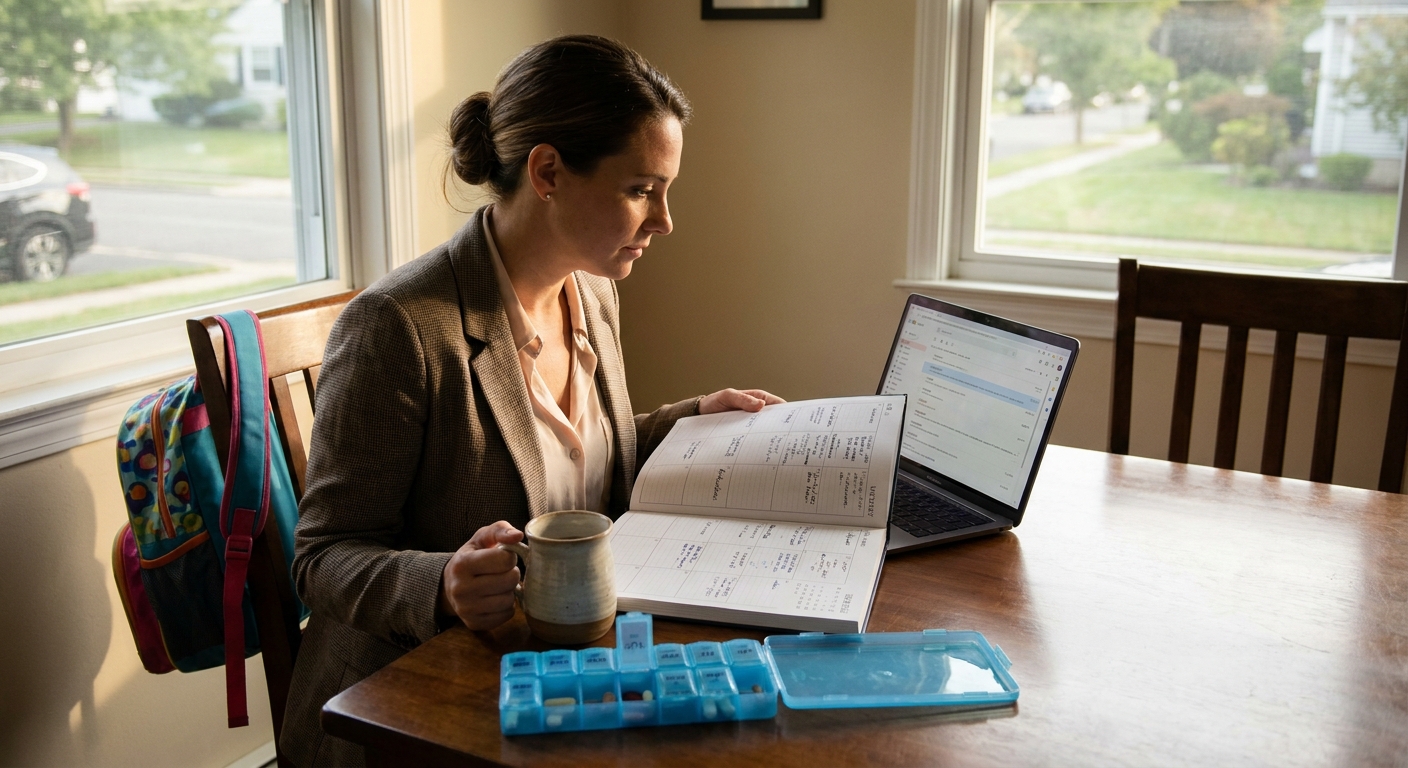
The clinician tells you recovery comes first, but you are already thinking about Thursday’s work deadline, your daughter’s school pickup, and the probation meeting Friday morning. Recovery life coaching at Resilience Recovery Center exists in that exact gap: the space between what you learn in therapy and what you actually do when your phone alarm goes off at 6:00 a.m. and real life demands that you function. Recovery life coaching in Fair Lawn is the part of treatment built for that morning, the one where insight has to turn into a schedule, a phone call, a paycheck protected, and a routine that holds. Therapy gives you the understanding. Coaching helps you carry it into a life that never stopped moving.
What Does Recovery Life Coaching in Fair Lawn Cover That Therapy Does Not?
Recovery life coaching handles the practical implementation of your recovery: employment, family responsibilities, legal obligations, money, daily structure, and the sober routines you build around all of it. Therapy treats the underlying substance use disorder and any co-occurring mental health conditions, while coaching translates those clinical insights into what you actually do between sessions through accountability, goal setting, and sustained lifestyle change.
Think of it as two different jobs pointed at the same outcome. In individual therapy you work on why cravings hit, how trauma shaped your patterns, and how to regulate the emotions that used to send you back to using. That work is essential, and coaching never duplicates it. What coaching adds is the follow-through. A coach sits with you and asks what your week looks like on paper: when your groups meet, who picks up the kids on the nights you are in session, how you rebuild trust with a partner who has been carrying the household alone, what paperwork your job needs so you do not lose it, and how you honor a court date without missing treatment.
At Resilience Recovery Center, coaching targets a specific list of real-world responsibilities: employment readiness and career development, family reintegration and rebuilding relationships, legal obligation management, financial responsibility, time management, daily structure, sober routine development, community engagement, wellness planning, recovery meeting participation, and individualized relapse prevention planning. All of it is integrated into the Outpatient Program (OP) and Intensive Outpatient Program (IOP) alongside individual therapy, group counseling, psychiatric services, MAT coordination, and case management. None of it replaces the clinical work; it gives that work somewhere to land. SAMHSA describes recovery as something built in stages across weeks and months through a coordinated continuum of care, and coaching is what keeps the practical side of your life moving forward while that continuum does its work.
Can You Keep Your Job While Prioritizing Treatment?
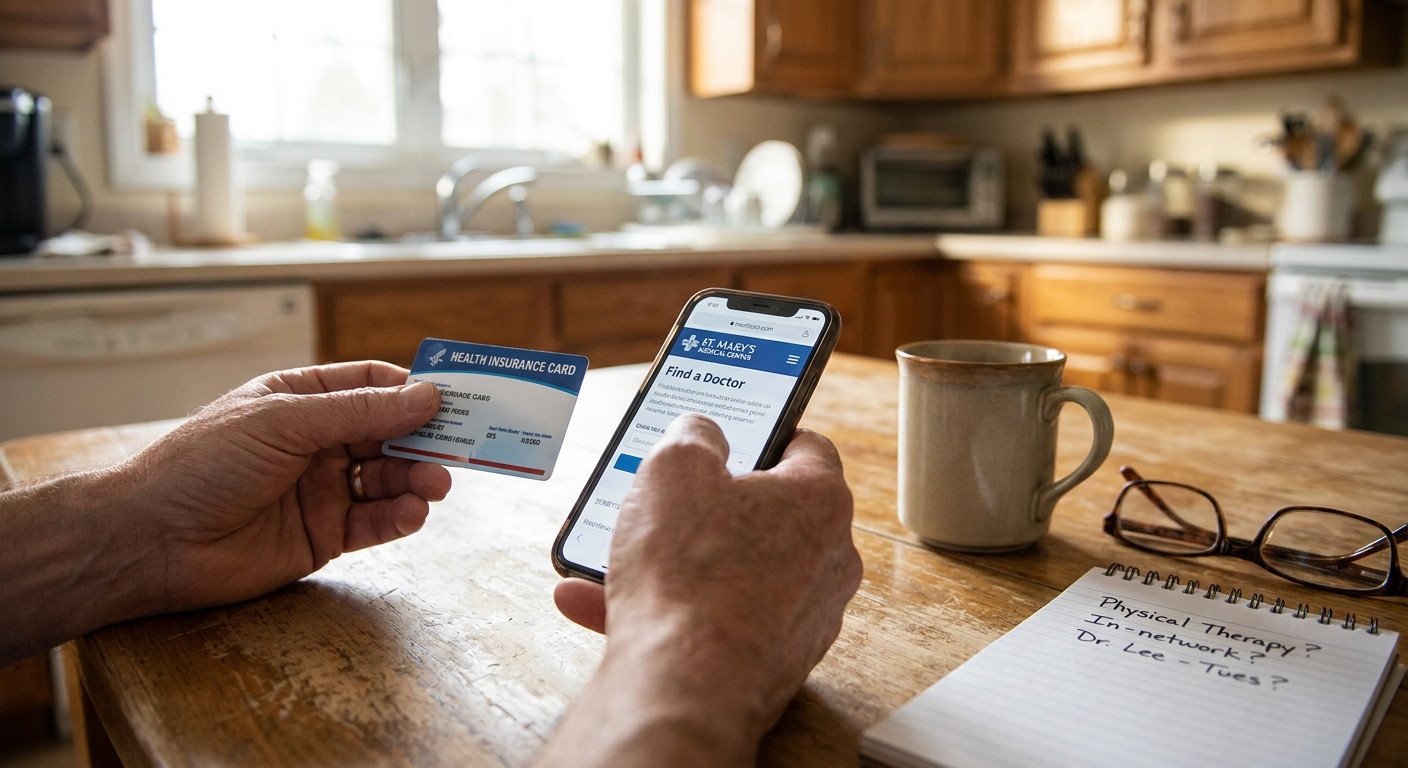
Yes. Recovery coaches at Resilience coordinate with case management to file FMLA and temporary disability paperwork, so you can prioritize treatment without being forced to choose between recovery and your paycheck. That forced choice is the reason many working adults in Fair Lawn wait too long to get help, and removing it changes the whole calculation.
Here is the honest tension the coach works with every day. Most people put work before everything else, because the job feels like the one thing holding the roof up. The clinician holds a hard line: your recovery comes first, your treatment comes first, and the rest follows. It sounds harsh until you say it plainly. Without your recovery, you will not have a job, a family, or a stable life to protect at all. The coach’s job is not to lecture you about that. It is to make the line livable by handling the logistics that let recovery and employment coexist.
That is where the paperwork comes in. Working alongside an experienced case manager, coaches help you use FMLA and temporary disability protections so your position stays protected while you attend IOP or outpatient sessions built around a work schedule. They coordinate around your legal, employment, and family obligations, help you sequence a probation timeline, prepare the documentation a probation officer or attorney needs, and build a weekly structure that honors court-mandated requirements without derailing progress. The point is not to make your outside life disappear. The point is to keep it standing while you get well, so that when you step down from treatment you have something intact to step back into.
Who Coaches You, and What Makes Them Qualified?
Recovery coaching at Resilience is delivered by a life coach on site working alongside an experienced case manager. The staff member who runs the nutrition and related groups is a CDADC (Certified Clinical Alcohol and Drug Counselor) who is also a certified nutritionist, neuroscience coach, life coach, and peer recovery specialist. That combination matters, because coaching someone in early recovery is different from counseling them, and it takes real training to do it well.
The methods are not improvised motivation. Coaching here is grounded in a strengths-based, person-centered approach that incorporates principles consistent with nationally recognized recovery coaching practices. That means motivational enhancement and Motivational Interviewing to help you find your own reasons to change rather than borrowing someone else’s, solution-focused strategies that start from what already works in your life, and SMART goal development, so a vague intention like “be more stable” becomes a specific, measurable, time-bound step you can actually complete this week. The credentials give the coach clinical fluency, and the coaching framework keeps the work practical and forward-facing.
The most important part of the model is how the coach treats problems. Resilience uses a navigation approach: the coach holds you accountable and guides you to do it for yourself rather than doing it for you. If you need to call your employer’s HR line, the coach helps you plan the call and rehearse it, but you make it. If you need to set up a budget after months of chaos, the coach walks you through the framework, but the numbers are yours. This is deliberate. The goal of recovery coaching is autonomy, the self-sufficiency you will need when the intensive part of treatment ends and you are running your own life again. A coach who does everything for you builds dependence. A coach who navigates you through the work builds a person who can stand on their own.
When Does Recovery Coaching Matter Most?
Coaching becomes most valuable during transitions, specifically the step-down from IOP to standard outpatient care and the move into aftercare. Those are the moments when clinical session frequency drops but your need for structure and accountability stays exactly the same, and that gap is where many people are most vulnerable to relapse.
Consider what the transition actually feels like. In IOP you might be in group several days a week, surrounded by structure, checking in constantly. Then you step down. Now you have fewer scheduled hours, more open time, and more of your old life flowing back in at once. Nothing about your triggers changed. What changed is that the scaffolding got lighter. Without something to hold the new routine in place, those open hours fill up with the same pressures and habits that were there before treatment. This is not a personal failure. It is a predictable feature of moving between levels of care, which is exactly why coaching intensifies its role right here instead of fading out.
During step-down and aftercare, the coach becomes the steady point of accountability. You still have a weekly structure to protect. You still have goals in progress: a job to hold, relationships to rebuild, a relapse prevention plan to actually follow when a craving hits on a Tuesday night with no group scheduled. Medication continues to matter too. Medication-assisted treatment can reduce cravings and support long-term recovery, and Resilience coordinates that care so the medical side and the practical side stay aligned as intensity decreases (NIDA). Coaching keeps the daily structure from collapsing at the precise moment the clinical structure gets lighter, which is what makes the whole step-down survivable rather than a cliff.
What This Looks Like for One Fair Lawn Working Adult
Here is one real example of how the coaching plan gets built around a person’s existing life instead of asking them to abandon it. A client came into IOP after detox while still working, still attending school, and still trying to keep up with apartment responsibilities. A standard program might have simply prescribed medication and sent him back into the same overloaded life, or asked him to drop everything. Neither would have worked.
Instead, the coach and case manager rebuilt the plan around what he was trying to protect. They filled out his FMLA paperwork and temporary disability so his job stayed secure while he focused completely on treatment. They placed him in sober living so the daily stressors of home and apartment upkeep were off his plate for a while, giving him room to concentrate on sobriety without work or home pressure. On the clinical side, the medical director established him on Suboxone to alleviate cravings, then scheduled a monthly Sublocade injection so he was not fighting the pull to use every single day. With his job protected, his housing stabilized, and cravings addressed at the root, he could put his full attention on recovery instead of splitting it across five emergencies at once.
That is the whole difference between generic life coaching and recovery life coaching integrated into real treatment. The coach did not hand him a motivational worksheet. The coach and case manager coordinated employment protection through FMLA, housing, MAT, and daily structure into one plan aimed at sustainable recovery, then held him accountable to do the work himself. This is the integrated, whole-person approach that Resilience Recovery Center in Fair Lawn is built around: clinical excellence on one side, practical support on the other, and coaching as the bridge between them.
Frequently Asked Questions
Is recovery life coaching the same as therapy or counseling?
No. Therapy treats the underlying substance use disorder and co-occurring mental health conditions. Recovery coaching translates those clinical insights into practical implementation: employment strategies, family responsibilities, legal timelines, and sober routines through accountability and goal setting. Both are delivered inside OP and IOP without duplicating each other.
Can I keep my job in Fair Lawn while attending recovery coaching sessions?
Yes. Coaches coordinate with case management to file FMLA and temporary disability paperwork that protects your employment while you prioritize treatment, often inside IOP or outpatient schedules built around a working adult’s week.
What credentials do recovery coaches at Resilience Recovery Center hold?
Coaching is delivered by a life coach and an experienced case manager, and the staff member running the nutrition and related groups is a CDADC who is also a certified nutritionist, neuroscience coach, life coach, and peer recovery specialist, using evidence-based methods including Motivational Interviewing, solution-focused strategies, and SMART goal development.
When is recovery coaching most helpful during treatment?
It is especially valuable during the step-down from IOP to standard outpatient care and in aftercare, when clinical session frequency decreases but your need for structure and accountability stays high.
Will a recovery coach solve my problems for me?
No. Coaches use a navigation model that holds you accountable and guides you to do it for yourself, building the autonomy and self-sufficiency you need for sustainable recovery after treatment ends.
Does recovery coaching include help with legal obligations or probation requirements?
Yes. Coaches coordinate with case management around your legal obligation timelines, prepare documentation for probation officers or attorneys, and build schedules that honor court-mandated requirements without derailing your recovery.
Call Resilience Recovery Center in Fair Lawn at the number on this page to speak with admissions about integrating recovery life coaching in Fair Lawn into your outpatient treatment plan. Ask specifically how the team can file your FMLA paperwork before your first group, so your job is protected from the day you start.
Individual results vary. The client experience described here reflects one person’s outcome and is not a prediction of results for any other person.