
Understanding an outpatient drug rehab program
An outpatient drug rehab program allows you to receive structured, evidence based addiction treatment while you continue living at home and participating in work, school, and family life. You attend scheduled sessions at an outpatient addiction treatment center, then return to your regular environment each day.
Instead of pausing your entire life for 30 to 60 days in a residential facility, you can build recovery skills right where you live. Outpatient rehab for drugs and alcohol is recognized as a flexible alternative to inpatient care, with many of the same core services such as individual counseling, group therapy, education, and relapse prevention planning, but without 24/7 supervision [1].
At Resilience Recovery Center, your outpatient care is not a loose collection of appointments. You follow a clear treatment plan, meet with a consistent clinical team, and move through stages of recovery that match your needs and responsibilities.
How outpatient rehab fits your life
One of the biggest advantages of an outpatient drug rehab program is that you do not have to step away from your entire life to get help. This can be especially important if you are a parent, a caregiver, a working professional, or a student.
Outpatient programs often offer daytime, evening, and sometimes weekend sessions to accommodate work and family schedules, which improves treatment adherence and overall accessibility [1]. Instead of choosing between your job and your health, you can protect both.
You are able to:
- Keep your job or continue classes while in treatment
- Stay present with your children or partner
- Maintain important responsibilities like rent, bills, or caregiving
- Practice new coping skills right away in real world situations
Resilience Recovery Center builds scheduling around your reality. Your care team works with you to create a calendar of sessions that respects your existing responsibilities while still providing enough structure to support meaningful change.
Key components of a flexible outpatient program
Although every outpatient drug rehab program is different, effective care usually includes a consistent set of services. These elements provide both structure and flexibility, giving you a stable foundation without removing you from daily life.
Comprehensive assessment and individualized planning
Your journey in outpatient care begins with a detailed assessment of your substance use history, mental health, medical needs, home environment, and recovery goals. At Resilience Recovery Center, this becomes the roadmap for your structured outpatient rehab program.
Instead of a one size fits all curriculum, you receive a plan that addresses:
- Type and severity of substance use
- Co occurring mental health conditions
- Past treatment experiences
- Work, school, and family responsibilities
- Personal strengths, values, and motivations
Your plan is not fixed. As you progress, your clinical team evaluates what is working and adjusts your schedule, therapies, and goals so your treatment stays relevant [2].
Individual counseling and therapy
Individual sessions are a core part of any quality outpatient recovery program for addiction. You meet one on one with a therapist or counselor to explore the underlying factors that drive your substance use and to build new ways of coping.
In a personalized addiction counseling outpatient program, you might work on:
- Identifying triggers and high risk situations
- Challenging unhelpful thoughts and beliefs
- Processing trauma, grief, or relationship patterns
- Building motivation and commitment to change
- Creating a practical relapse prevention plan
These sessions give you a private space to be honest about what you are facing and to develop strategies tailored to your specific challenges.
Group therapy and peer support
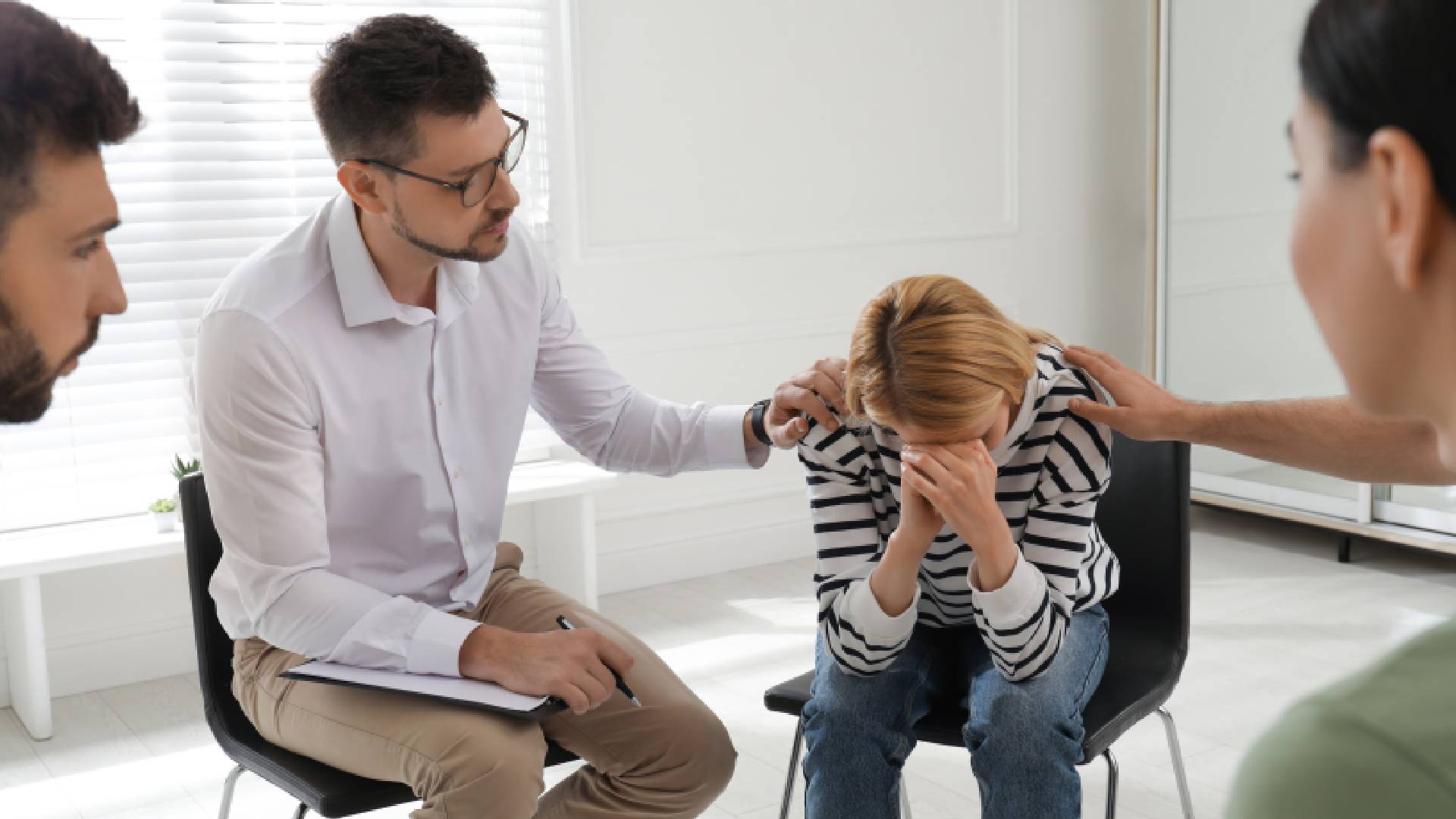
Group sessions are another core service in outpatient addiction treatment. They allow you to learn from others with similar struggles, practice new skills, and experience a sense of connection that counters the isolation of addiction.
In a substance abuse therapy outpatient program, group work might include:
- Psychoeducation about addiction and recovery
- Skills training for communication, boundaries, and stress management
- Relapse prevention groups that focus on planning and accountability
- Process groups where you share your experiences and receive feedback
These groups mirror many of the services you would find in residential care, but you attend them while continuing to live at home [1].
Education, life skills, and relapse prevention
Addiction affects more than your use of substances. It touches your health, finances, relationships, and sense of self. A strong outpatient drug rehab program will address each of these areas.
At Resilience Recovery Center, educational components help you:
- Understand how drugs and alcohol affect your brain and body
- Recognize the stages of relapse and early warning signs
- Learn practical tools for stress, cravings, and emotional regulation
- Strengthen problem solving and decision making skills
These are the skills that help you build a sustainable life in recovery instead of relying on willpower alone.
Ongoing monitoring and recovery planning
Outpatient care is not just about getting through a crisis. It is about building a long term plan for staying well. Your team will check in regularly on your progress, adjust your treatment intensity as needed, and help you plan for what comes next.
This includes:
- Step down planning as your stability increases
- Coordination with primary care or psychiatric providers
- Referrals to community supports and peer groups
- Aftercare planning so you do not leave treatment without a roadmap
Successful treatment is closely linked to completing the full course of care and engaging in aftercare, not just starting and stopping when things feel better for a moment [2].
Recovery is a process, not a single event. Outpatient care gives you space and time to change your life while still living it.
Levels of intensity in outpatient drug rehab
Not all outpatient programs are the same. The right level of care depends on how severe your substance use is, what your home environment looks like, and whether you have co occurring medical or psychiatric conditions.
Standard outpatient treatment
A standard outpatient rehab for substance abuse typically involves 1 to 3 visits per week for therapy, education, and support. This level of care can work well if:
- Your substance use is mild to moderate
- You have a relatively stable home and social environment
- You are highly motivated and able to follow through with recommendations
Standard outpatient is often a good fit if you are stepping down from more intensive care or if you are starting treatment early before addiction has overtaken every part of your life.
Intensive or structured outpatient programs
An intensive or structured outpatient rehab program provides a higher level of support, without requiring you to live onsite. You might attend several sessions each week, sometimes for multiple hours per day.
These programs are designed to deliver high intensity services similar to residential treatment, but without 24/7 supervision [1]. They can be especially helpful if:
- You have a more severe substance use disorder
- You are returning home after inpatient rehab and want structure
- You need more frequent contact to stay accountable in early recovery
Resilience Recovery Center can help you determine which intensity level fits your current needs, then adjust as your situation changes.
Specialized behavioral health focused outpatient services
Substance use rarely exists in isolation. Many people also experience depression, anxiety, PTSD, bipolar disorder, or other mental health conditions. A behavioral health outpatient addiction program or behavioral health outpatient treatment program is specifically designed to address both at the same time.
By integrating mental health and addiction care, you avoid fragmented treatment plans and conflicting recommendations. Your therapists and medical providers work together to create a unified approach that supports your whole well being.
Comparing outpatient and inpatient rehab
Both inpatient and outpatient rehab can be effective, and neither option is universally better. What matters is whether the level of structure and support matches your situation.
Research on alcohol and drug treatment shows that:
- Outpatient detoxification for alcohol can have better completion rates and short term abstinence outcomes compared to inpatient detox, with no significant differences in safety for many patients [3].
- Inpatient programs may show stronger early gains in abstinence for some individuals, but advantages can diminish within months after discharge if ongoing outpatient support is not in place [3].
- For opioid use disorder, guidelines indicate that withdrawal management can often be done safely in outpatient settings for most patients, particularly when supervised slow tapers are used instead of rapid inpatient tapers [3].
If you require medical detox, have a very unstable home environment, or are at high risk of severe withdrawal or self harm, inpatient care may be the safer starting point. Once stabilized, you can transition into an outpatient drug rehab program to continue building your recovery.
For many people, however, starting in outpatient treatment is both clinically appropriate and more practical. It lets you apply what you learn in your daily routines from day one.
Cost, access, and insurance for outpatient care
Finances are often a major concern when you consider treatment. Outpatient rehab tends to be more affordable than residential care because it does not include housing or 24 hour supervision. Average costs for outpatient drug and alcohol rehab can range from approximately 2,000 to 10,000 dollars depending on program length, therapies offered, and location [4].
Several factors influence cost:
- Program intensity and duration
- Whether you need medical detox or complex medical care
- The types of therapies and services provided
- Insurance coverage and financial assistance
Outpatient rehab is typically less expensive than inpatient programs, and many centers accept private insurance, Medicaid, Medicare, or Affordable Care Act marketplace plans [1]. Updated guidance also notes that many outpatient programs offer financial aid, sliding scale fees, or financing options [5].
If you are uninsured or underinsured, you still have options. SAMHSA’s National Helpline is a free, confidential, 24/7 resource that connects you with local treatment facilities, state funded programs, and organizations that provide low cost outpatient rehab services [6].
When you compare costs, it is important to consider the long term financial burden of addiction. Medical bills, legal issues, lost income, and damaged relationships frequently cost far more than the investment required to enter treatment [5].
Addressing both drug and alcohol use in outpatient care
You might be struggling with one substance or several. A flexible outpatient program can be tailored to address your specific pattern of use.
If your primary concern is drugs such as opioids, stimulants, or benzodiazepines, a focused drug rehab outpatient treatment or drug addiction outpatient counseling track can help you understand cravings, manage withdrawal symptoms with medical support if needed, and rebuild your life without relying on substances.
If alcohol is a major part of your struggle, you can engage in an outpatient alcohol rehab program, alcohol addiction outpatient treatment, or alcohol recovery outpatient program that focuses on:
- Recognizing how alcohol fits into your routines and relationships
- Managing social pressures and environments where drinking is common
- Planning for events, holidays, and stressors without relapsing
- Addressing underlying emotional or mental health issues
For some, both drug and alcohol use are intertwined. A combined drug and alcohol outpatient treatment path can ensure nothing is overlooked.
What to expect at Resilience Recovery Center
Resilience Recovery Center is designed to give you the benefits of a clinically strong outpatient drug rehab program while respecting the realities of your daily life. You are not just attending isolated sessions. You are engaging in a coordinated, supportive process.
Here is what that can look like for you:
-
Initial contact and assessment
You reach out and complete a detailed intake assessment that covers your substance use, mental health, medical history, and daily responsibilities. This helps determine whether a drug addiction outpatient program, alcohol use disorder outpatient treatment, or combined approach is right for you. -
Collaborative treatment planning
You and your clinical team develop a plan that outlines your therapy schedule, group participation, medication needs if appropriate, and specific goals. If you need integrated mental health support, addiction therapy outpatient services are built in from the start. -
Structured weekly schedule
You attend a mix of individual counseling, group therapy, education, and skills sessions through our addiction recovery outpatient services. Your schedule is consistent but flexible enough to accommodate work or family demands. -
Real time application and feedback
Because you live at home, you bring real situations from your week into therapy. You test new coping skills, then refine them with your counselor and peers. This cycle strengthens your confidence and helps you see tangible progress. -
Family and support system engagement
When appropriate, your family or support network can be invited into parts of the process. This might include education, communication skills training, or boundary setting to improve your home environment and long term stability. -
Step down and aftercare planning
As you meet milestones, your care team helps you transition to less intensive support while maintaining connection. You leave with a recovery plan that can include ongoing therapy, peer support, and clear strategies for handling stress and cravings.
Is an outpatient drug rehab program right for you?
Only you and a qualified clinical team can decide which level of care is safest and most effective. However, outpatient treatment may be a strong fit if:
- You want to maintain work, school, or caregiving while in treatment
- You have a reasonably safe and supportive place to live
- You are medically stable and not at high risk for severe withdrawal
- You prefer to build recovery skills in the context of your real life
- You are ready to engage consistently with a structured plan
If your situation is more complex or unstable, outpatient rehab can still play a central role as part of a continuum of care. You may start with inpatient or detox services through another provider, then transition into a behavioral health outpatient treatment program at Resilience Recovery Center for ongoing support.
Taking your next step toward recovery
You do not have to choose between your life and your recovery. A carefully designed outpatient drug rehab program allows you to protect both. With the right combination of structure, flexibility, and clinical expertise, you can begin to rebuild your health, relationships, and sense of purpose without stepping entirely away from your responsibilities.
If you are ready to explore how an outpatient path could work for you, reach out to Resilience Recovery Center. Your questions are welcome, your concerns are valid, and your recovery plan can be tailored to the reality of your daily life.