
Outpatient Alcohol Rehab Program: Flexible Recovery You Need
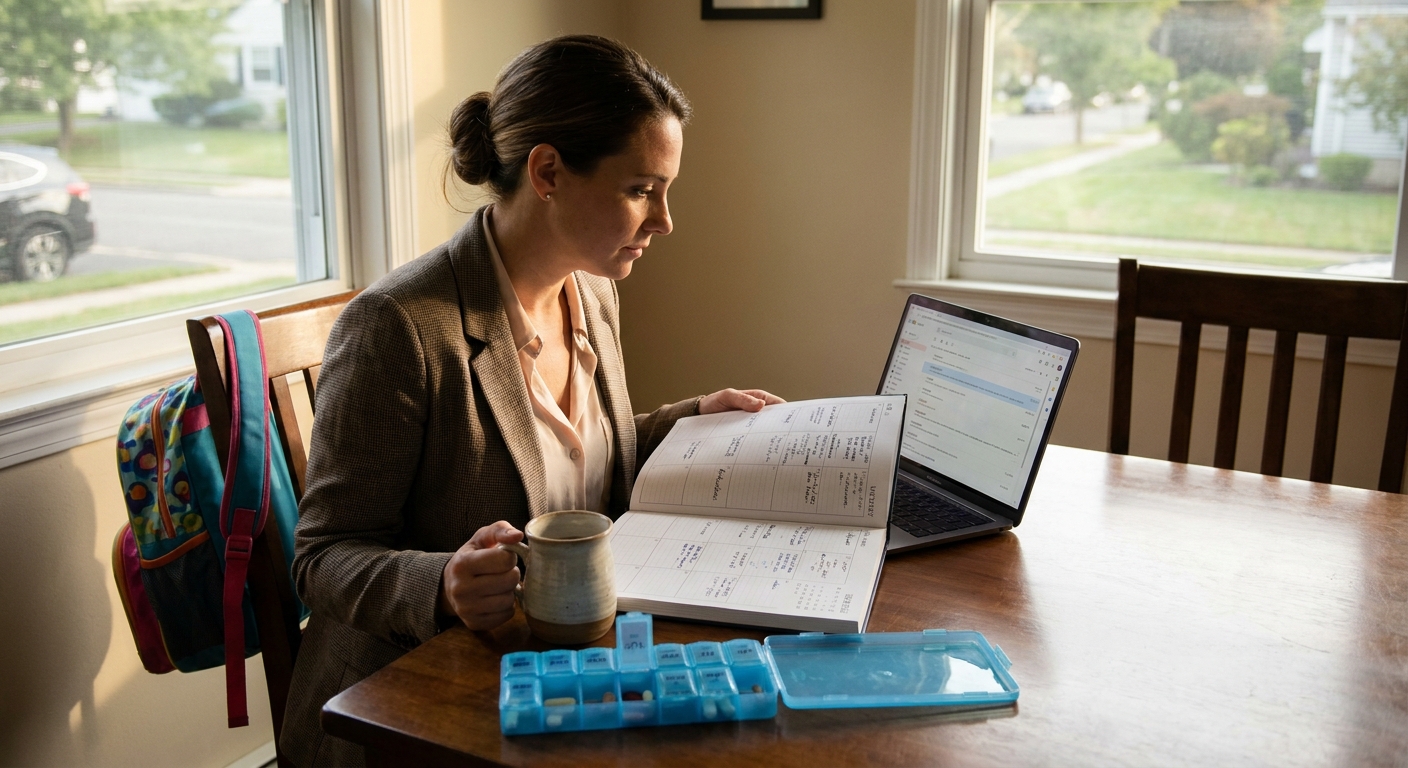
You’ve already decided the drinking has to stop, but the fear keeping you stuck is this: if you enter treatment, do you lose your job, your income, your custody schedule, and the stability your family depends on? An outpatient alcohol rehab program at Resilience Recovery Center in Fair Lawn, NJ is built around that exact tension. You get clinical accountability, individual and group therapy, counseling, cravings management, and medication coordination when it is appropriate, all scheduled around the work hours, the commute, and the family commitments you cannot walk away from. Recovery does not have to mean disappearing from your own life. One approach for working adults involves learning to maintain sobriety inside the same environment where the drinking took hold, not away from it.
What Does Outpatient Alcohol Treatment Look Like When It’s Built Around Your Real Life?
It looks like a weekly plan built around your job, not a job you had to quit to fit the plan. The starting point is your actual life: your work hours, your commute, your family responsibilities, your transportation, and the windows when you can realistically be in a session without setting off alarm bells at work or at home.
As Ivan Kavunik, Ivan Kavunik, puts it: “For a working adult, we start by looking at their actual life: work hours, commute, family responsibilities, transportation, and when they realistically have time for treatment. From there, we build the week around those responsibilities instead of expecting the person to build their entire life around treatment.”¹
That means the schedule flexes to the shape of your week. If you work days, you attend evening groups. If you work evenings, you attend in the morning. At the beginning of each week, the clinical and case management teams line up your group hours, your individual session, any medication appointments, and any case management needs so they fit together without colliding with a shift or a school pickup. When your work schedule shifts, the team addresses it early instead of letting missed sessions quietly stack up until your progress stalls.
There is a clinical judgment behind every adjustment. Before moving a session, the team weighs the reason for the change, how often it is happening, your attendance and engagement, where you are in your recovery, and whether the new arrangement still meets your treatment needs. A legitimate work or family conflict gets accommodated when the plan allows. An individual session, however, is not automatically treated as a stand-in for required group hours, and if the team sees repeated cancellations, rising cravings, or slipping engagement, they may hold the existing structure rather than keep trimming your care. The goal is structure and accountability to support your sobriety while you keep working, keep parenting, and practice recovery in the real world you will live in long after treatment ends. Resilience Recovery Center operates out of 17-17 River Road in Fair Lawn with state licensure and regulatory oversight, so the flexibility you are offered still sits inside a clinically supervised program.
How Does the Program Treat Alcohol Use Disorder and Anxiety or Depression at the Same Time?
By looking at the alcohol use and the mental health symptoms together, then working out over time which one is driving the other. Many people who enter an outpatient alcohol rehab program also carry anxiety, depression, trauma, or some combination, and treating the drinking in isolation can leave the whole picture unstable.
The first step is building a timeline. Clinical staff ask when the anxiety, low mood, sleep problems, or trauma symptoms first showed up, and whether they were present during meaningful stretches when you were not drinking. That history is important because alcohol, withdrawal, broken sleep, and the chaos of active addiction can create or magnify symptoms that look, at first, like a separate condition. Rushing to label every early-recovery symptom as a standalone diagnosis can be as problematic as ignoring a real one.
So the team keeps watching as you stabilize. If your anxiety or depression eases as abstinence, better sleep, nutrition, and daily structure take hold, that may suggest alcohol was fueling some of what you were feeling. If the symptoms stay put, interfere with your functioning, clearly predate the drinking, or become sharper once alcohol is removed, that may point toward a condition that needs its own psychiatric evaluation and, when indicated, medication management coordinated alongside your counseling and therapy. This reflects the integrated treatment model the center uses, where mental health and substance use are addressed as one connected problem rather than handed off between disconnected providers. You can see the practical shape of that approach in resources like the SAMHSA-supported Matrix intensive outpatient client handbook, which frames coping skills, relapse prevention, and emotional health as parts of the same program. The point is to understand what may be driving how you feel and treat you as a whole person, not to stack another diagnosis on top of you and move on.
Where Does Medication Like Naltrexone or Vivitrol Fit in an Outpatient Alcohol Rehab Program?
Medication fits in as one tool inside a broader plan, never as the plan itself. In an outpatient alcohol rehab program, medications such as oral naltrexone or the monthly Vivitrol injection may help reduce cravings or blunt the reinforcing pull of alcohol for some individuals, and they are typically paired with therapeutic work that addresses the behavior and the environment around your drinking.
The decision starts with the whole person. The medical team reviews your alcohol use history, the intensity of your cravings, your prior relapses, your withdrawal history, your medical and psychiatric needs, and what has and has not worked in past treatment. When someone has strong cravings, keeps returning to drinking despite genuinely wanting to stop, or has repeatedly struggled once they leave a structured setting, that is exactly when the medical team evaluates whether medication could strengthen the plan. Oral naltrexone may fit when you can consistently take a daily pill. Vivitrol may make more sense when daily adherence has been hard, or when a monthly injection simply gives you better consistency and accountability.
Medication is not something everyone with alcohol use disorder automatically needs. The team may hold off when your cravings are manageable, when you are progressing well without it, when you decide against it after discussing the options, or when there is a medical reason it may not be safe, such as current opioid use or certain liver concerns. Because Resilience coordinates rather than prescribes in a vacuum, the medical and clinical teams stay in contact so your medication response, side effects, cravings, attendance, and overall progress get reviewed together. The National Institute on Drug Abuse recognizes FDA-approved medications as an evidence-based component of alcohol use disorder treatment, and the philosophy here is straightforward: medication may help create stability for some people, while therapy and recovery support build the skills and lifestyle that support ongoing recovery.
Why Housing, Transportation, and a Steady Paycheck Can Influence Whether Recovery Holds
Because the biggest relapse risk is often not what happens in the therapy room, it is what is waiting for you when you walk out of it. Clinical work alone can face challenges when the basics of a stable life are missing, which is why case management treats housing, transportation, employment, and benefits as part of the recovery plan rather than someone else’s problem.
Consider one client the team worked with, described here without identifying details. He was engaged in therapy and genuinely wanted recovery, but almost everything outside treatment was unstable. His housing was uncertain, his employment had been disrupted, his transportation was inconsistent, and medical and financial pressures were piling up at the same time. If he had simply been sent to groups and individual sessions and told to sort the rest out himself, the clinical work alone might not have been enough to support him.
So case management started where the risk was highest. The team helped him address housing options and benefits, arranged reliable transportation so he could consistently get to sessions and appointments, and worked on employment and financial stability as he got healthier. Once those foundations began to settle, he could focus more on recovery instead of on where he would sleep or how he would get to group. That sequence is deliberate: when a new client comes in, case management first identifies what could pull the person out of treatment, separates the immediate barriers (a safe place to sleep, a way to get to a session tomorrow) from the longer-term goals (updating a résumé, rebuilding credit), then builds those needs into the treatment plan and follows up instead of handing over a phone number. As circumstances change, and they always do, the plan is reassessed. This wraparound approach reflects what the center has learned through working with clients whose recovery required addressing practical stability alongside clinical treatment, and it can be a meaningful factor in supporting ongoing recovery after the clinical intensity steps down.
What Your Brain Learned About Alcohol, and How to Teach It Something New
Your brain has learned to connect certain feelings, times, and situations with alcohol, and lasting recovery may involve recognizing those learned patterns and deliberately working to replace them. That neuroscience-informed lens shapes how this program approaches cravings, stress, sleep, routine, and the moments when you may be most vulnerable to drinking.
Wail Fakhar, CEO of Resilience Recovery Center, brings credentials in peer recovery support and specialized training in neuroscience coaching, and that training informs how the whole program understands addiction. The view here is that recovery is not simply a matter of telling someone to use better judgment. It involves paying attention to cravings, stress, sleep, nutrition, exercise, motivation, and the specific times of day when your defenses are lowest. Staff help you map the patterns between what you are feeling, what is happening around you, and what your brain has been trained to associate with alcohol.
From there, the work is practical: developing and practicing routines and coping skills you can actually use outside a session. The real test is not what you understand in Tuesday’s group. It is the decision you face at 7:00 in the evening when you are tired, stressed, leaving work, dealing with something at home, or riding out a craving. Connecting the insight from therapy to that exact real-world moment is part of building sustainable recovery skills. As CEO, Fakhar built a model where clinical sessions, medication coordination, vocational support, housing connections, and peer recovery support operate as one coordinated system, so the skills you practice are supported by the stability around you rather than undermined by it.
Who May Benefit From an Outpatient Alcohol Rehab Program in Fair Lawn?
Working adults who need real structure and accountability but cannot step away from a job, a family, or financial obligations for residential care may benefit, along with people stepping down from a higher level of care who still want consistent support. Whether outpatient treatment is the right fit is a clinical decision, guided by the American Society of Addiction Medicine’s levels of care criteria, which weigh factors like withdrawal risk, medical and psychiatric stability, and your living environment.
If you can maintain employment, live at home safely, and stay engaged without round-the-clock supervision, an outpatient alcohol rehab program lets you keep those anchors in place while receiving therapy, medical oversight, and support several times a week. This may suit professionals who cannot explain a long absence to an employer, parents managing custody and school schedules, and people balancing court, probation, or FMLA and disability paperwork specific to New Jersey. It also fits those who have completed a higher level of care and want continued accountability without inpatient constraints.
Practical access matters too. Resilience Recovery Center accepts Aetna, Cigna, Blue Cross Blue Shield, and UnitedHealthcare, and staff verify your specific plan and explain what it includes before you begin. Federal rules require most health plans to cover mental health and substance use services, and you can review that framework online through Medicare’s coverage overview. The center maintains New Jersey state facility licensure and operates as an approved provider for outpatient and intensive outpatient services. In the interest of full transparency, the center is actively pursuing national accreditation but is not yet accredited, and you deserve to know that before you decide.
Frequently Asked Questions
Can I keep my job while attending outpatient alcohol treatment in Fair Lawn?
The program schedules therapy, groups, and any medical appointments around your work hours and commute rather than forcing you to choose between employment and recovery. Day workers typically attend evening sessions and evening workers attend mornings, with the weekly plan adjusted when your shift changes.
Does outpatient alcohol treatment address mental health conditions like anxiety or depression?
Yes. Clinical staff assess whether anxiety, depression, or trauma symptoms existed before your alcohol use or improve as you stabilize in early recovery. When symptoms remain persistent, they coordinate psychiatric evaluation and medication management alongside your counseling and recovery support.
How does medication like naltrexone fit into outpatient alcohol treatment?
Medical oversight evaluates whether medication may be appropriate based on your alcohol history, cravings, prior relapses, and past treatment, then coordinates it with therapy. Medication may help reduce cravings or block alcohol’s reinforcing effects for some individuals while you build coping skills and address triggers, never as a replacement for the clinical work.
What if housing or transportation problems make it hard to attend treatment?
Case management helps connect you with housing resources, transportation solutions, benefits access, and employment support. The team addresses immediate barriers first, like a safe place to sleep or a reliable way to get to a session, so instability does not derail your clinical progress.
Is outpatient alcohol treatment covered by insurance in New Jersey?
Resilience Recovery Center accepts Aetna, Cigna, Blue Cross Blue Shield, and UnitedHealthcare. Staff verify your coverage and explain what your specific plan includes before you start, so you have clear information and there are no surprises once treatment begins.
What makes outpatient treatment different from inpatient or residential rehab?
Unlike inpatient or residential treatment programs, outpatient treatment lets you live at home, keep working, and maintain family responsibilities while receiving therapy, medical oversight, and support several times a week, instead of relocating to a facility. You practice recovery in the same environment where you will live long term.
Call Resilience Recovery Center at the Fair Lawn office to verify your insurance coverage, schedule an assessment, and ask directly how the team will build your treatment schedule around your work hours and family responsibilities. Bring your work calendar to that first call: the sooner the team sees your real week, the sooner your plan can be built to fit it instead of fighting it.
Expertise and insights from
- Ivan Kavunik, Ivan Kavunik
Start Your Recovery on Your Terms
If you’ve been weighing whether an outpatient alcohol rehab program can truly fit into your life while giving you the structure you need, you’re not alone in that question. At Resilience Recovery Center in Fair Lawn, NJ, our team understands that flexibility and accountability can work together. Reach out today to talk through how our Outpatient Program can support your path forward.
Call Resilience Recovery Center
Recovery experiences vary significantly between individuals, and the client experience described reflects one person’s journey. Treatment outcomes depend on many factors unique to each person’s situation, and no one should expect similar results.