Understanding MAT therapy programs for addiction
If you are living with opioid, heroin, or prescription pain medication addiction, a structured MAT therapy program for addiction can give you a safer and more stable path to recovery. Medication assisted treatment, or MAT, combines FDA approved medications with counseling and behavioral therapies to treat substance use disorders in a whole person way. Major health agencies in the United States consider MAT the standard of care and the first line treatment for opioid use disorder, because it helps you manage cravings, stabilize your life, and stay engaged in treatment over time [1].
Instead of asking you to rely on willpower alone, MAT focuses on stabilizing your brain and body so that you can fully participate in therapy and rebuild your life. At Resilience Recovery Center, your medication plan and your counseling are designed to work together. This approach does not replace your effort. It simply removes some of the most dangerous barriers so you have a real chance to heal.
How MAT supports long term recovery
A MAT therapy program for addiction is not just about getting through detox. It is designed to support every stage of recovery, from early withdrawal to long term relapse prevention. When you start a structured medication assisted treatment program, your team works with you to reduce suffering in the short term and protect your health in the long term.
Stabilizing brain function and cravings
Long term opioid use changes the way your brain responds to stress, reward, and pain. Stopping suddenly can lead to intense withdrawal and powerful cravings that can feel impossible to manage on your own. MAT medications help your brain function more normally, which:
- Reduces or prevents withdrawal symptoms
- Lowers day to day cravings
- Helps you feel physically and mentally stable enough to focus on therapy
Evidence shows that MAT helps reestablish normal brain function, reduces cravings, and prevents relapse for many people living with opioid use disorder [2].
Improving safety and reducing overdose risk
One of the most important benefits of MAT is reduced overdose risk. When you use opioids off and on, your tolerance changes quickly. A dose that your body once handled can suddenly become deadly. MAT helps you avoid this cycle by:
- Keeping you on a consistent, monitored dose
- Blocking or blunting the high from additional opioids
- Reducing the need to return to street drugs or unsafe pills
Participation in MAT is associated with lower opioid overdose rates, as well as lower risks of diseases like hepatitis C and HIV that are linked to injection use and high risk behaviors [3].
Supporting work, relationships, and daily life
When you are not constantly riding the roller coaster of intoxication, withdrawal, and craving, you have more energy and attention for the rest of your life. Research shows that people who take methadone or buprenorphine as prescribed are more likely to maintain employment, avoid criminal behavior, and engage in counseling and healthy activities [2].
In practical terms, this means you are more available for your family, more reliable at work, and more able to show up for yourself. A well structured medication assisted recovery program is built around these real world goals, not just symptom control.
Key medications used in MAT
The medications used in a MAT therapy program for addiction are carefully chosen and monitored. They are not quick fixes, but they can be powerful tools when used as part of a complete treatment plan with counseling and support. The FDA has approved several medications to treat opioid use disorder. Each one works differently and may be a better fit depending on your history, your health, and your goals [1].
Methadone
Methadone is a long acting full opioid agonist. It attaches to opioid receptors in your brain in a controlled way. When used in a regulated opioid treatment program, methadone can:
- Prevent withdrawal
- Dramatically reduce cravings
- Block or reduce the euphoric effects of other opioids
Methadone is often most helpful for people with severe, long standing opioid dependence. It is usually dispensed in highly regulated clinics where you take your dose on site and are regularly monitored [4].
Buprenorphine and Suboxone
Buprenorphine is a partial opioid agonist. It activates opioid receptors just enough to prevent withdrawal and reduce cravings, but it has a ceiling effect that lowers overdose risk and limits the chance of feeling high. Suboxone is a combination of buprenorphine with naloxone, which is added to discourage misuse.
Buprenorphine and Suboxone are available in different forms, including sublingual tablets, films, and injections. These medications:
- Reduce withdrawal symptoms
- Lower cravings
- Carry a lower overdose risk than full agonists
- Do not produce the heroin like euphoria when used correctly [2]
For many people with mild to moderate opioid use disorder, buprenorphine based treatment provides enough stability to fully engage in counseling and life responsibilities. At Resilience Recovery Center, your buprenorphine treatment for opioid addiction or suboxone based addiction treatment is coordinated with therapy so that medication and counseling support each other.
Naltrexone and Vivitrol
Naltrexone is an opioid antagonist, which means it blocks opioid receptors instead of activating them. You can take it as a daily pill or as a long acting injection, often known by the brand name Vivitrol. Once the medication is active, it:
- Prevents opioids from producing a high
- Reduces the reward you would feel if you return to use
- Helps protect against relapse during vulnerable periods
Extended release naltrexone injections can last for several weeks, which can be especially helpful if you have trouble taking daily medications or accessing regular care [5]. At some programs, Vivitrol is started before discharge and continued in outpatient care to support the first 30 to 90 days of sobriety [6].
Why medication alone is not enough
While medication is central to a MAT therapy program for addiction, it is only one part of effective care. Addiction affects your body, your thoughts, your emotions, your relationships, and your sense of purpose. Treating one piece without the others usually leaves you vulnerable to relapse.
Medication assisted treatment is most effective when it is combined with counseling and behavioral therapies that help you:
- Understand why you used in the first place
- Build coping skills for stress, grief, anger, and anxiety
- Repair or redefine relationships
- Create structure and meaning in daily life
MAT offers a whole patient approach that addresses both physical and psychological aspects of addiction. This integrated care is linked to better outcomes, including improved social functioning, reduced withdrawal symptoms, and lower overdose risk [7].
How MAT and therapy work together
At Resilience Recovery Center, your mat program with counseling is designed so that medication management and therapy sessions reinforce each other. You are not expected to carry the emotional weight of recovery while you are still in active withdrawal. Instead, the medical and clinical teams coordinate your care so your body stabilizes while you work on deeper change.
Cognitive behavioral therapy and evidence based care
Many MAT programs, including Resilience Recovery Center, rely on cognitive behavioral therapy (CBT) and other evidence based treatments. These therapies help you notice and change the patterns of thoughts and behaviors that keep you stuck. In practice, CBT may support you to:
- Identify triggers, such as stress, conflict, or specific people or places
- Challenge beliefs like, “I cannot handle this without using”
- Practice coping skills, such as grounding techniques or communication strategies
- Plan for high risk situations and create backup options
Medication Assisted Treatment programs that use CBT based counseling and behavioral therapies tend to have better retention and recovery outcomes, because they address both your brain chemistry and your learned responses to life events [3].
Building a support system around MAT
Support systems play a critical role in your success with MAT. When friends, family, peers, and professionals understand what you are doing and why, you have more encouragement and practical help. Research highlights that strong support networks improve engagement with treatment and long term recovery outcomes [8].
In a structured mat outpatient addiction treatment setting, support might include:
- Individual therapy focused on your goals and history
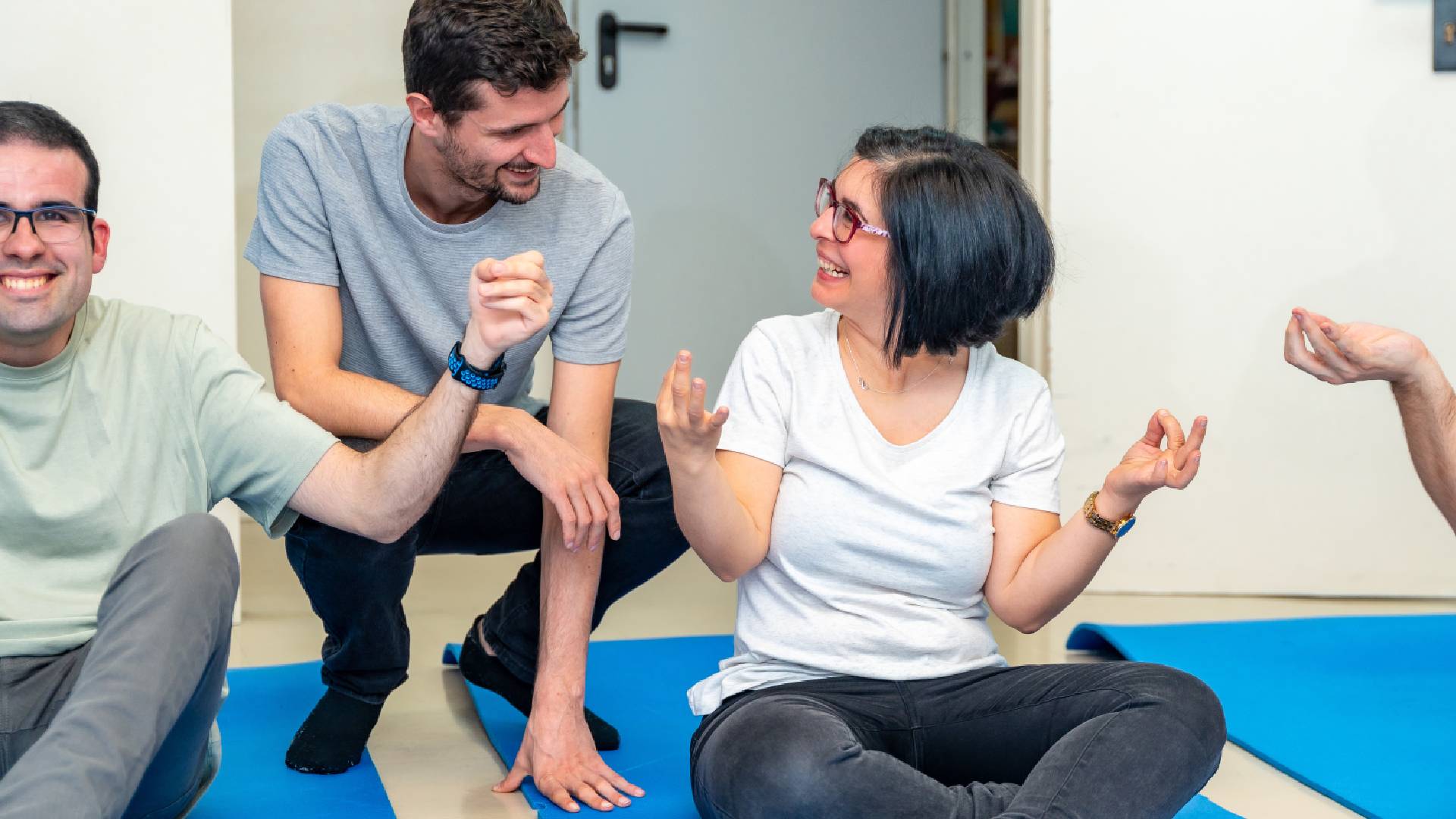
- Group therapy where you can connect with others using MAT
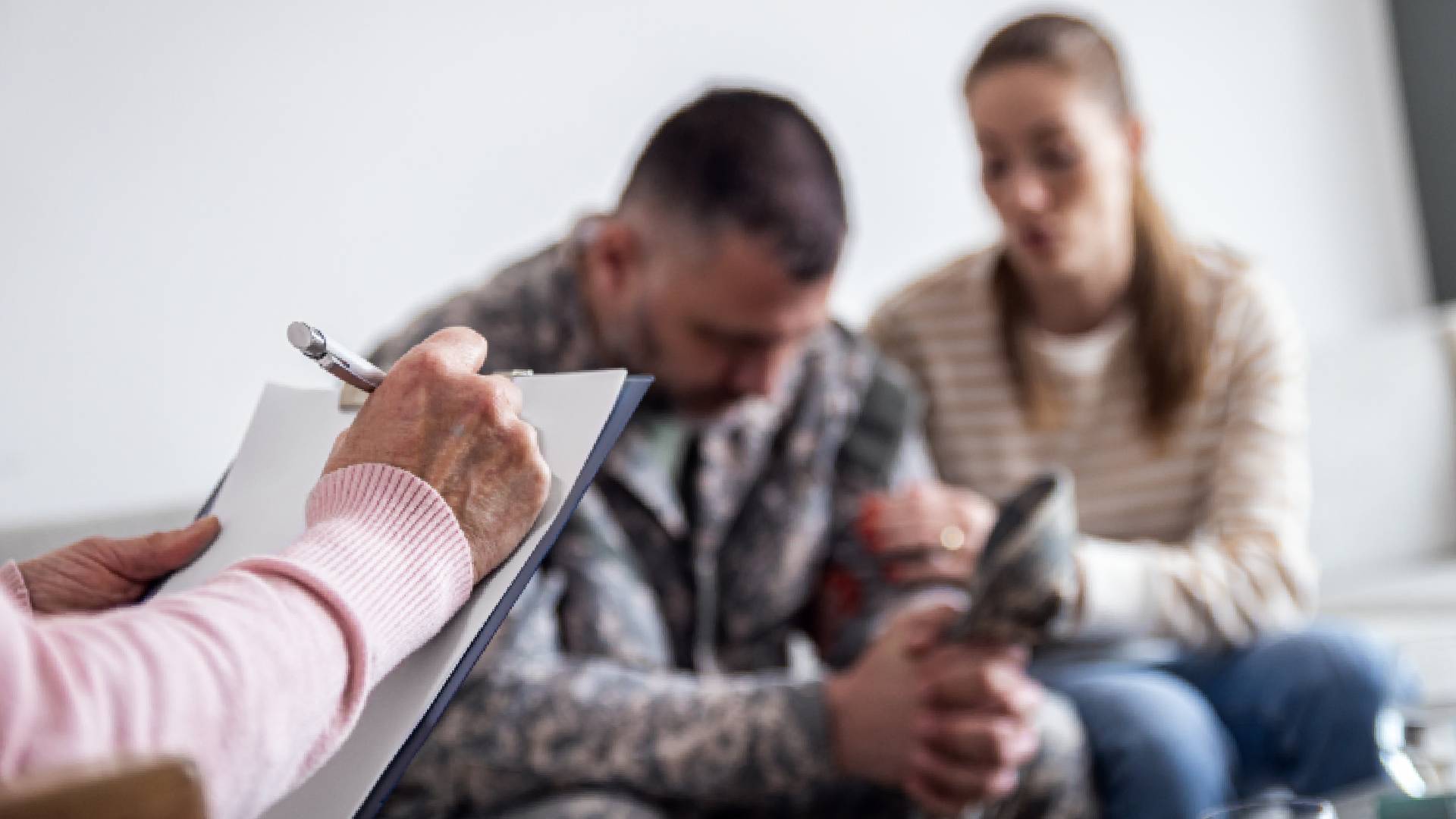
- Family sessions to rebuild trust and communication
- Peer support and recovery coaching
- Case management to help with work, housing, or legal concerns
Your medication plan then becomes one pillar in a larger recovery foundation, not your only lifeline.
Medication assisted treatment is most effective when it is personalized to your needs, combined with counseling, and surrounded by consistent support.
Addressing common concerns about MAT
You may have mixed feelings about a MAT therapy program for addiction. It is common to worry that you are just “trading one addiction for another” or that taking medication somehow means you are not really sober. It is important to look at the facts and what the research actually shows.
“Am I still addicted if I take MAT medications?”
Addiction is not just about taking a substance. It is about loss of control, harm to your life, and compulsive use despite consequences. When you take MAT medications as prescribed, under medical supervision, you are:
- Not chasing a high
- Not engaging in unsafe or illegal behaviors to obtain drugs
- Actively working on your recovery in therapy and daily life
Major health organizations view MAT as treatment, not substitution. Evidence indicates that MAT helps stabilize your life so you can rebuild relationships, work, and health [2].
Side effects, dependency, and length of treatment
Like any medical treatment, MAT has potential side effects and risks. Some people worry about dependency, cost, access, stigma, or regulatory rules. A systematic review found some differences between medications, such as buprenorphine being associated with less fatigue than methadone in some studies [9]. However, the overall quality of evidence was low to moderate and results need to be interpreted with care.
What matters most for you is a clear, personalized plan that includes:
- A thorough assessment of your medical and mental health
- Ongoing monitoring of side effects and benefits
- Regular conversations about your goals and preferences
- A flexible timeline based on your progress
There is no single “right” length of MAT for everyone. Some people need longer support, others eventually taper. The shared priority is your safety, stability, and long term recovery, not an arbitrary deadline [8].
Why Resilience Recovery Center is a strong choice for MAT
When you choose a MAT therapy program for addiction, you are also choosing a team and an environment. Resilience Recovery Center is structured to provide carefully monitored medication management with integrated counseling, so you can move from crisis to stability at a realistic pace.
Whole person, integrated care
Resilience Recovery Center approaches MAT as part of whole person treatment. Your plan may include:
- A comprehensive medical evaluation to choose the right medication
- Ongoing medication assisted therapy for addiction with adjustments as needed
- Individual and group counseling focused on coping skills, trauma, and relapse prevention
- Support for co occurring mental health conditions
- Coordination of care across levels of support, including inpatient, residential, and outpatient when appropriate
This integrated model reflects what research recommends. MAT that addresses medical, mental health, family, and vocational needs tends to give you a stronger foundation for long term sobriety [3].
Focused expertise in opioid use disorder
Resilience Recovery Center specializes in opioid use disorder and prescription drug addiction. If you are considering medication assisted treatment for opioid addiction, you benefit from a team that understands the nuances of heroin, fentanyl, and pain medication dependence.
Your options may include:
- A structured mat program for opioid use disorder that blends medical care and therapy
- A targeted suboxone treatment program or suboxone treatment for opioid addiction
- A flexible buprenorphine outpatient treatment plan
- Continued stabilization through a suboxone maintenance treatment program when appropriate
Each path is tailored to your history, current use, and long term goals.
Accessible outpatient options and clinic based support
If you are not able to step away from work or family for long periods, outpatient MAT can be a practical and effective option. Resilience Recovery Center offers:
- A medication assisted treatment clinic setting for regular check ins and medication management
- A structured opioid addiction medication assisted treatment model with counseling
- An opioid addiction MAT clinic environment focused on safety, respect, and privacy
- A coordinated opioid recovery medication assisted program that supports daily life responsibilities
These services help you build a sustainable routine rather than asking you to put your life entirely on hold.
Emphasis on relapse prevention and long term support
Relapse prevention is built into every stage of your care at Resilience Recovery Center. Your team helps you:
- Identify triggers and high risk situations
- Create practical relapse prevention plans
- Use medication options like Vivitrol or naltrexone when appropriate for added protection [6]
- Transition smoothly between higher and lower levels of care without losing support
Programs like mat therapy for opioid dependence and medication assisted opioid recovery program are oriented toward long term change, not just symptom management for a few weeks.
Taking the next step toward treatment
If you are considering a MAT therapy program for addiction, it means you are already looking for a safer and more realistic way forward. You do not have to prove anything by going through withdrawal alone or trying to control everything without support. Evidence based medication assisted treatment for opioid addiction is designed to help you stay alive, stay engaged, and gradually rebuild a life that feels worth protecting.
At Resilience Recovery Center, you can explore options that fit your situation, from clinic based care to outpatient programs with counseling and medication. Whether you are just starting to think about getting help or you have tried to quit many times before, you deserve a treatment plan that respects your experience and uses every effective tool available.
You can reach out to ask questions, discuss your concerns about medication, and learn more about how MAT might look in your daily life. With the right support, recovery can move from feeling impossible to feeling manageable, one step at a time.