Understanding MAT therapy for opioid dependence
When you are living with opioid, heroin, or prescription pain medication addiction, it can feel like your brain and body are working against you. Medication assisted treatment, often called MAT therapy for opioid dependence, is a research backed way to calm that internal chaos so you can focus on real recovery.
Medication assisted treatment combines FDA approved medications with counseling, behavioral therapies, and recovery support. It is not just “taking a pill instead of using.” It is a structured, medically supervised approach that helps you stabilize your body, clear your mind, and then work through the emotional and behavioral side of addiction. This “whole person” strategy has been shown to reduce cravings, prevent relapse, and support long term recovery from opioid use disorder [1].
At Resilience Recovery Center, you do not have to choose between medication or therapy. You receive both in a coordinated mat therapy program for addiction that is tailored to your history, your health, and your goals.
What MAT really is and how it works
Medication assisted treatment is an evidence based approach that uses specific medications to rebalance brain chemistry and reduce the physical grip of opioids. These medications are always combined with counseling, behavioral therapies, and support so that you are working on both your body and your mind at the same time [2].
When you stop opioids, your brain struggles to regulate pain, mood, and reward on its own. MAT helps your brain function more normally, eases withdrawal symptoms, and brings cravings down to a manageable level [1]. As your body stabilizes, you can be more present in therapy, follow through on daily responsibilities, and rebuild your life.
Medication assisted treatment is not a quick fix. It is a structured recovery plan that often includes:
- A full medical and mental health assessment
- A personalized medication plan
- Regular follow up with a prescribing provider
- Weekly or ongoing counseling and support groups
- Relapse prevention and aftercare planning
At Resilience Recovery Center, your medication assisted treatment program is designed as a partnership. You and your treatment team work together to adjust dosing, monitor side effects, and track your progress so the plan continues to match your needs.
Why opioids are so hard to quit on your own
If you have tried to stop opioids before and could not, you are not failing. You are dealing with a medical condition that changes the way your brain works. Over time, opioids hijack the brain’s reward system, which is why willpower alone rarely feels like enough.
Opioid use disorder affects over 6.1 million people aged 12 or older in the United States [3]. Despite this, less than 20 percent of people with opioid addiction receive FDA approved medications, even though these medications are proven to reduce opioid use and negative health outcomes [4].
Without support, you are more likely to face:
- Severe withdrawal symptoms that make it hard to get through the first days and weeks
- Intense cravings that can appear suddenly and feel overwhelming
- High risk of relapse, overdose, and medical complications
MAT is designed to address these specific challenges so you are not constantly fighting your body just to stay sober.
MAT helps reestablish normal brain function, reduce substance cravings, and prevent relapse by addressing the physical difficulties you experience when you stop opioids [1].
The main medications used in MAT
The FDA has approved three medications for opioid use disorder: methadone, buprenorphine, and naltrexone [3]. Each works differently but they all have one purpose, helping you safely reduce or stop opioid use and stay in recovery.
Methadone
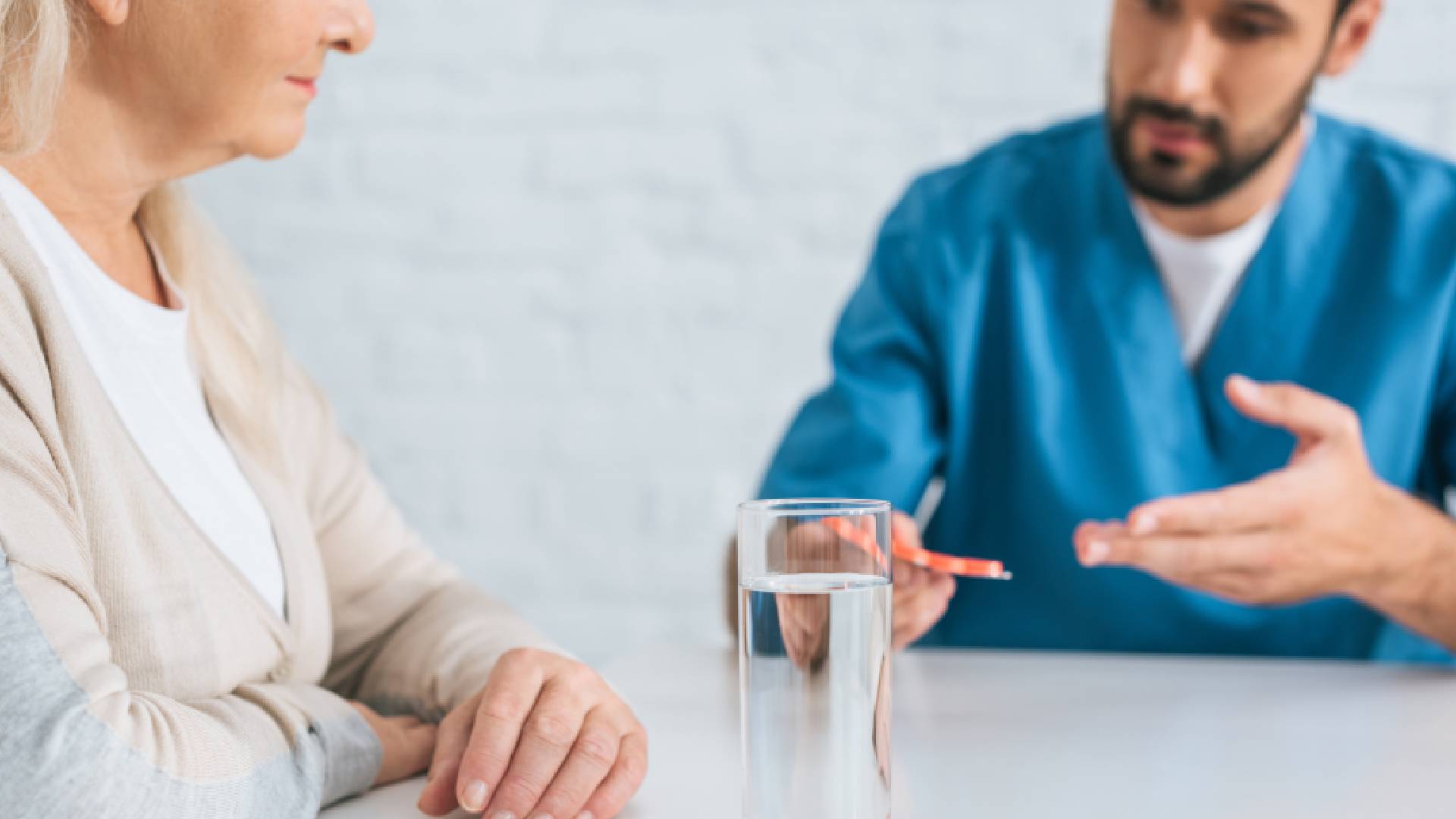
Methadone is a long acting opioid agonist that activates the same receptors in your brain as heroin or prescription pain pills, but in a slow and controlled way. It prevents withdrawal, reduces cravings, and blocks the euphoric effects of illicit opioids [1].
Methadone has been used to treat opioid addiction for more than 50 years. It stays in your body longer and creates less intense pleasure, which is why it can stabilize you without giving you a “high” [4]. In the United States, methadone for opioid use disorder is only dispensed through approved opioid treatment programs. Stable patients may be able to receive take home doses to support work, school, and family responsibilities [4].
Buprenorphine and Suboxone
Buprenorphine is a partial opioid agonist. It activates opioid receptors but to a much lower level than drugs like heroin or oxycodone. This helps reduce or eliminate withdrawal and cravings while carrying a low risk of overdose [1].
Buprenorphine can be given under the tongue, as a film, or by injection. Many people know buprenorphine as part of Suboxone, which combines buprenorphine with naloxone. The naloxone component is there to discourage misuse. It helps protect you if someone tries to inject the medication instead of taking it as prescribed [1].
You can usually receive buprenorphine from trained doctors, nurse practitioners, and physician assistants, including via telehealth in some cases, which improves access to treatment [4].
At Resilience Recovery Center, you can enter a structured suboxone treatment program or buprenorphine treatment for opioid addiction so that your medication plan is not isolated from the rest of your care. Your dosing, therapy schedule, and support services are all coordinated.
Naltrexone
Naltrexone is an opioid antagonist. Instead of activating opioid receptors, it blocks them. That means if you use opioids while on naltrexone, you will not feel the usual euphoric effects [1].
Naltrexone has no potential for abuse. It is often given as a monthly injection and can be as effective as buprenorphine if you stay on it long term [4]. It is very important that you are fully off opioids before starting naltrexone because taking it too soon can trigger sudden and severe withdrawal [1].
Your team at Resilience Recovery Center will walk you through each option, explain the benefits and risks, and help you decide which medication best fits your situation.
Benefits of MAT therapy for opioid dependence
MAT is described as a “whole patient” approach because it treats more than just symptoms. It supports nearly every part of your recovery process.
Some of the benefits you can expect include:
- Relief from withdrawal symptoms so you can get through early recovery safely
- Significant reduction in cravings, which lowers your relapse risk
- Better retention in treatment and counseling programs
- Lower risk of overdose and death
- Improved ability to focus, work, and care for yourself and your family
Medication assisted treatment for opioid addiction is associated with improved social functioning, greater stability, and better long term outcomes when paired with counseling and support [2]. At Resilience Recovery Center, your medication assisted recovery program is built to support your everyday life, not replace it.
Common concerns and challenges with MAT
If you are considering MAT therapy for opioid dependence, you might have mixed feelings. You may worry that you are “just swapping one drug for another” or that you will be on medication forever.
It can help to look at some of the main concerns clearly:
- Medication dependence. MAT medications are prescribed carefully and monitored. The goal is medical stabilization, not intoxication. Many people taper off over time as their recovery strengthens, while others stay on medication longer if it keeps them safe and stable.
- Side effects. Like any medication, methadone, buprenorphine, and naltrexone can have side effects. These are usually manageable when you work closely with your provider. Your team adjusts your dose and addresses any problems quickly.
- Stigma. Misunderstanding around MAT can lead to judgment from others. At Resilience Recovery Center, you are treated with respect. Your choice to use evidence based treatment is seen as a sign of strength, not weakness.
- Access and cost. Regulations, distance, and financial barriers can make MAT harder to access in some areas [2]. By offering mat outpatient addiction treatment and working with you on insurance and payment options, Resilience Recovery Center helps reduce these obstacles.
MAT is not right for every person in every situation, but for many, it is a crucial tool that makes recovery realistically achievable instead of overwhelmingly difficult.
Why counseling is essential with MAT
Medication can calm your body, but it does not automatically change your thoughts, habits, or relationships. That is where counseling and behavioral therapies come in.
Evidence based therapies such as cognitive behavioral therapy, motivational interviewing, and trauma informed counseling help you:
- Understand how addiction developed in your life
- Identify triggers, patterns, and high risk situations
- Build new coping skills to manage stress and cravings
- Repair relationships and rebuild trust
- Develop a realistic plan for work, school, and family responsibilities
Research consistently shows that combining medications with counseling and behavioral therapies improves treatment outcomes [2]. This is why Resilience Recovery Center emphasizes a mat program with counseling rather than medication only care.
You are supported by a multidisciplinary team, not just a prescriber. Your therapist, your medical provider, and your case manager work together so your treatment is consistent and coordinated.
How MAT supports long term relapse prevention
Relapse does not mean failure, but it does increase your risk of serious harm, including overdose. MAT helps protect you in several ways over the long term.
By stabilizing brain chemistry, medication assisted therapy for addiction reduces the intense pull of cravings and the emotional swings that often lead to relapse. Over months and years, this gives you time and space to:
- Strengthen healthy routines and coping skills
- Build a solid support network
- Address co occurring mental health issues
- Gain confidence in your ability to manage stress without using
Supportive relationships also play a major role. Strong support systems improve the success of MAT by providing emotional, social, and practical help [2]. At Resilience Recovery Center, you are encouraged to involve family when appropriate, connect with peers, and use ongoing aftercare services so you are not navigating recovery alone.
Your medication assisted opioid recovery program includes relapse prevention planning from the start. Together with your team, you identify warning signs, develop crisis plans, and know exactly what steps to take if you start to struggle.
Personalizing your MAT plan at Resilience Recovery Center
No two opioid addiction stories are the same. Effective MAT requires a personalized, patient centered approach that looks at your whole life, not just your prescription [2].
At Resilience Recovery Center, your care team considers:
- Which opioids you have been using, and for how long
- Your medical history and current health conditions
- Any co occurring mental health diagnoses
- Your living situation, work schedule, and responsibilities
- Your recovery goals and concerns about medication
From there, you might start in a more intensive opioid recovery medication assisted program or enter a flexible medication assisted treatment clinic schedule that fits around your daily life. If Suboxone is appropriate, you can join a suboxone based addiction treatment plan or a suboxone maintenance treatment program for ongoing stability. If buprenorphine is a better fit, outpatient dosing and follow up through buprenorphine outpatient treatment may be part of your path.
In every case, your plan is reviewed regularly. Doses, appointments, and therapies are adjusted as your recovery progresses so you are never locked into a static approach that no longer fits.
Why choose Resilience Recovery Center for MAT
When you are deciding where to receive MAT therapy for opioid dependence, you want more than a prescription. You want a place that understands the complexity of opioid addiction and offers a clear, structured path forward.
Resilience Recovery Center provides:
- A full range of medication assisted treatment for opioid addiction options
- Integrated therapy and medical care in one coordinated medication assisted treatment program
- Experience with heroin, fentanyl, and prescription pain medication addiction
- Flexible mat outpatient addiction treatment options that support work and family life
- A compassionate opioid addiction mat clinic environment where you are treated with dignity
You are not limited to one medication or one level of care. Your opioid addiction medication assisted treatment can shift with you as your needs change, from early stabilization to long term maintenance and, when appropriate, gradual tapering.
If you are ready to learn how medication assisted treatment can help you reclaim your life from opioids, you can explore our medication assisted opioid recovery program and related resources. With the right support, it is possible to feel stable, clear, and in control again.
References
- (AHCCCS)
- (Encore Recovery)
- (FDA)
- (NIDA)