
Marijuana Use Disorder is a substance use disorder characterized by continued marijuana use despite negative effects on mental health, motivation, relationships, work performance, or overall quality of life. While marijuana is often perceived as harmless or socially acceptable, regular or heavy use can significantly interfere with emotional regulation, cognitive functioning, and daily responsibilities.
At Resilience Recovery Center, we understand that marijuana use disorder is frequently minimized or overlooked, both by individuals and by others. Many clients do not initially seek help for marijuana use alone, but later recognize its role in emotional numbness, lack of motivation, anxiety, or difficulty progressing in life.
Marijuana use disorder is not about weakness or lack of discipline. It is a treatable condition that benefits from structured, evidence-based care and accountability.
Problematic marijuana use can gradually erode stability and engagement without dramatic external consequences at first. Over time, individuals may rely on marijuana to manage stress, emotions, sleep, or boredom, leading to increased dependence.
Common impacts include reduced motivation and difficulty following through on goals, impaired focus, memory, and decision-making, increased anxiety or emotional blunting, disrupted sleep patterns, declining work or academic performance, withdrawal from relationships or responsibilities, difficulty managing stress without substances, and increased relapse risk when marijuana use co-occurs with other substances.
Because marijuana use is often normalized, individuals may struggle to recognize when it has become a barrier to growth and recovery.
Resilience Recovery Center was created to address substance use with honesty, respect, and structure. We recognize that marijuana use disorder often requires a different conversation than other substances, one grounded in education rather than fear-based messaging.
Our philosophy emphasizes dignity, accountability, and clinical excellence. We help clients understand how marijuana use affects motivation, emotional regulation, and recovery progress, while supporting them in developing healthier coping strategies and routines.
Treatment is individualized and focused on long-term change rather than judgment or punishment.
Treatment for marijuana use disorder is individualized based on clinical assessment, co-occurring conditions, and recovery goals. Services may include Outpatient or Intensive Outpatient programming.
Outpatient treatment supports individuals who are stable and able to maintain daily responsibilities while engaging in structured therapy and accountability. Intensive Outpatient treatment provides increased support for individuals experiencing emotional dysregulation, co-occurring mental health challenges, or difficulty reducing or stopping use without added structure.
Clients may move between levels of care as recovery progresses.
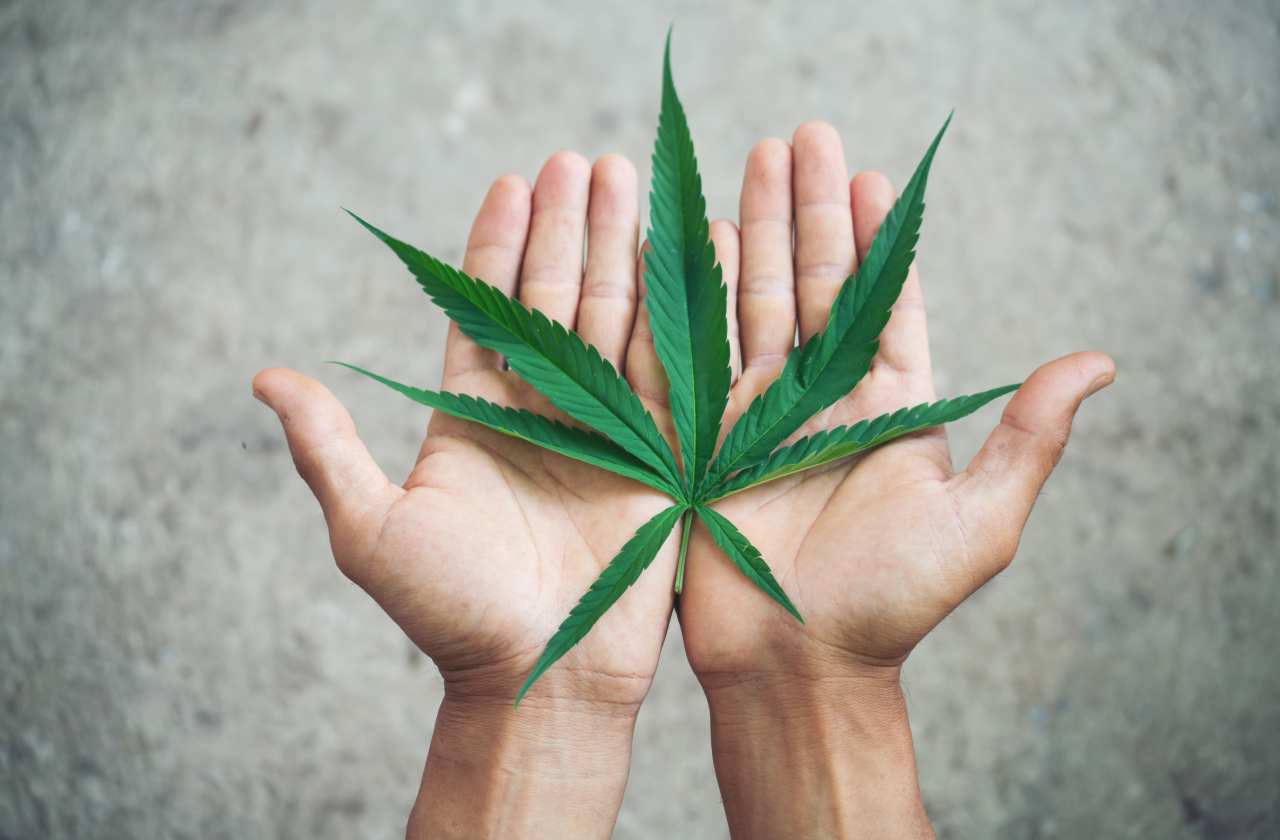
Recovery from marijuana use disorder often involves rebuilding motivation, structure, and engagement in daily life. Our programs emphasize relapse prevention strategies that reflect the realities of marijuana use.
Clients develop skills for managing cravings and habitual use patterns, increasing motivation and follow-through, regulating stress and emotions without substances, improving focus and productivity, establishing healthy sleep and daily routines, and planning for high-risk situations such as stress or social exposure.
These tools are designed for real-world application.
Marijuana use disorder frequently co-occurs with anxiety disorders, depression, trauma-related symptoms, ADHD, emotional dysregulation, and sleep disturbances. In many cases, marijuana use begins as an attempt to self-manage these symptoms.
Our integrated treatment model addresses mental health and marijuana use together through individual therapy, group therapy, psychoeducation, and neuroscience-informed strategies focused on emotional regulation and stress tolerance.
Treating the underlying mental health drivers supports more sustainable recovery outcomes.
Our marijuana use disorder treatment programs are designed for adults who are motivated, or becoming motivated, to make changes. Many clients are working professionals, students, or individuals who feel stuck, unmotivated, or emotionally flat and recognize marijuana use as a barrier to growth.
Our outpatient-based model allows clients to receive meaningful treatment while remaining engaged in work, school, and personal responsibilities whenever appropriate.
Sustainable recovery from marijuana use disorder often depends on addressing lifestyle and practical challenges alongside therapy.
Clients may receive case management and care coordination, job placement and vocational support to rebuild structure and purpose, connections to recovery-oriented housing when stability is a concern, holistic wellness services such as life coaching, nutrition guidance, and neuroscience-informed recovery strategies, and aftercare planning focused on long-term success.
These supports are intentionally integrated to support independence and accountability.
Individualized, evidence-based marijuana treatment
Experienced clinical and medical leadership
Integrated mental health and practical support services
Strong focus on motivation, emotional regulation, and accountability
Flexible scheduling designed for real-world responsibilities
A compassionate environment grounded in dignity and respect