
Job Placement and Vocational Support for Recovery in Fair Lawn
You are still going to work. Barely. You cover the shifts, answer the emails, keep the paycheck coming, and hold the whole thing together with tape and willpower. And underneath all of it sits one fear you cannot say out loud: that getting help will cost you the job you have been protecting this whole time.
That fear keeps people sick. It is also built on a false choice. At Resilience Recovery Center in Fair Lawn, work is not something you give up to recover. It is built into the plan from the first week. Vocational support recovery in Fair Lawn is not a pamphlet handed to you on your way out the door. It is part of the treatment itself, coordinated with your therapy, your case management, and your MAT plan, so that a job can become a tool on your tool belt instead of one more thing to lose.
Why Vocational Support Recovery Fair Lawn Looks Different Here
Most places treat employment help as an afterthought. You finish treatment, someone hands you a printout of job boards and a list of community resources, and then it is good luck and goodbye. That is a referral, not a service, and it leaves you to do the hardest part alone at the exact moment you may feel least steady.
Vocational support at Resilience Recovery Center is a clinical intervention woven into your care, not a resource list. It starts while you are still in the Outpatient (OP) or Intensive Outpatient (IOP) program, not after discharge. A dedicated case manager and a life coach work directly alongside your therapists and prescriber, so the stress of a resume, an interview, or a first day back does not get handled in a vacuum. It gets handled by people who already know your triggers, your history, and your stage in recovery.
Individual experiences with this coordinated approach vary. Consider a gentleman who came to Resilience after 26 separate treatment episodes. He arrived high acuity, with no stable housing, pending legal trouble, and no job. On paper, this was a 27th attempt. What changed was not his willpower. It was that his vocational support, his housing, and his legal coordination were integrated with his clinical care, instead of scattered across a half-dozen agencies that never spoke to each other. Today he has a job. His legal obligations are settled. He has stable living. And he recently celebrated 90 days sober. That sequence was coordination, though your own path and timeline may differ.
How Getting a Job Starts in Week One, Not After You Finish
Job placement here begins during your first week of treatment, with a case management plan built around your actual needs. Some clients spend about 30 days in the program before landing a job, though the timeline is individual and tied to your clinical readiness, not a stopwatch. Results vary from person to person.
Here is what those first weeks look like in practice. You sit down with your case manager and build a treatment plan, and inside it a case management plan mapped to what you actually need. If resume building is one of those needs, you spend real time curating a resume tailored to your background and your profession, not a generic template. You do mock interview preparation, some of it in group sessions and some of it one-on-one with your case manager, so that walking into an interview may feel more manageable. There is career testing and screening to match you to a field that fits, and that screening honestly considers your legal history to avoid placements that would set you up to fail.
The timing matters as much as the steps. Returning to work too soon can undercut your MAT coordination and your therapy progress, while returning at the right moment may support both. That is why the decision is made case by case, by a life coach and case manager who sit inside the clinical team, not outside it. They observe your recovery journey and time your vocational goals against your readiness, so that a job can reinforce your stability instead of jeopardizing it. This is a judgement free zone. If you are not ready yet, no one shames you for it. You keep building until you are.
Because the vocational staff coordinate directly with your therapists and prescriber, the real world stressors of going back to work do not stay hidden. The anxiety of a first shift, the trigger of an old coworker, the fear of exposure: those surface in your sessions, where you can develop tools to handle them, rather than blindsiding you on a Tuesday afternoon.
What “We’ll Refer You” Never Gives You: Local Placement You Can Walk To
Resilience Recovery Center holds direct employer contracts with local Fair Lawn area businesses that hire people with disabilities and employment gaps, including several major grocery and home goods retailers. This is the difference between “we’ll refer you to a job board” and “you start Monday at the store on Fair Lawn Avenue.”
Those relationships matter because they address two challenges many job seekers in recovery encounter. The first is the gap or the record. If you have employment gaps tied to prior treatment episodes, or a legal history, the standard application process filters you out before a human ever reads your name. These employer partners already understand the population they are hiring. The career screening on the Resilience side is designed to place you somewhere suitable, which sometimes means screening out a placement that would not fit, for example when something on a record makes a particular role a bad match. That is not a judgment. That is setting you up to keep the job, not just get it.
The second challenge is transportation, and this is where a lot of good intentions fall apart. If you do not have a car or a valid license, a job across the county might as well not exist. So Resilience secures interviews at jobs within walking distance when your transportation is limited, and provides rides to and from your first job during those early weeks when everything is fragile and getting there is half the battle. The case management team coordinates transportation, housing, and employment together, so getting to work is not one more thing you have to solve alone. This is what wrap around case management can look like. Not a promise. A shift you show up for.
Can You Keep the Job You Already Have? Often, Yes
If you already have a job when you walk in, the goal shifts from finding work to protecting it. The case manager aligns you with the prescriber or medical director to review and file your FMLA paperwork, following the correct protocol so you may be able to attend IOP without walking away from your position.
The Family and Medical Leave Act is federal law, and its protections are real. Eligible employees at covered employers can take job-protected leave for qualifying serious health conditions, and substance use disorder treatment can qualify. The paperwork, though, is where people give up. The forms, the medical certification, the back-and-forth with HR: it all feels impossible when you are already running on empty. So the case management team handles it with you, coordinating the medical side with your prescriber and making sure it is done right.
This is not theory. For one client, the FMLA application was filed, sent to HR, and approved for 90 days of protected leave during treatment. Ninety days to get back on their feet without the job disappearing underneath them. For clients who do not qualify for FMLA, the team also helps with temporary disability applications, another New Jersey protection working adults often do not know they can use. Individual eligibility and outcomes vary.
So name the fear plainly: attending intensive outpatient treatment in Fair Lawn does not automatically mean losing your job. If FMLA or temporary disability protections apply to you, there may be a legal path to stay employed while you get well, and a team whose job is to walk that paperwork through with you. Where accommodations at work come into play, your case manager can help navigate that conversation with your employer, too.
Who Delivers the Vocational Support, and What Stands Behind It
The people delivering your vocational support recovery in Fair Lawn are a dedicated life coach and an experienced case manager who work directly with the clinical team, and the clinical team is led by a Clinical Director who is a Licensed Clinical Alcohol and Drug Counselor (LCADC) holding the Certified Clinical Supervisor (CCS) credential. That structure is the point: the person helping with your resume is coordinating with the same clinicians managing your therapy and your MAT plan, so nothing runs on a separate track.
Resilience Recovery Center operates under full licensure and state approval, meeting New Jersey regulatory standards for outpatient substance use treatment. In plain terms, this is a regulated clinical program answerable to the state, not a loose collection of side services. Vocational support sits inside that clinical foundation, coordinated with your therapists, your prescriber, and your MAT staff under a single plan.
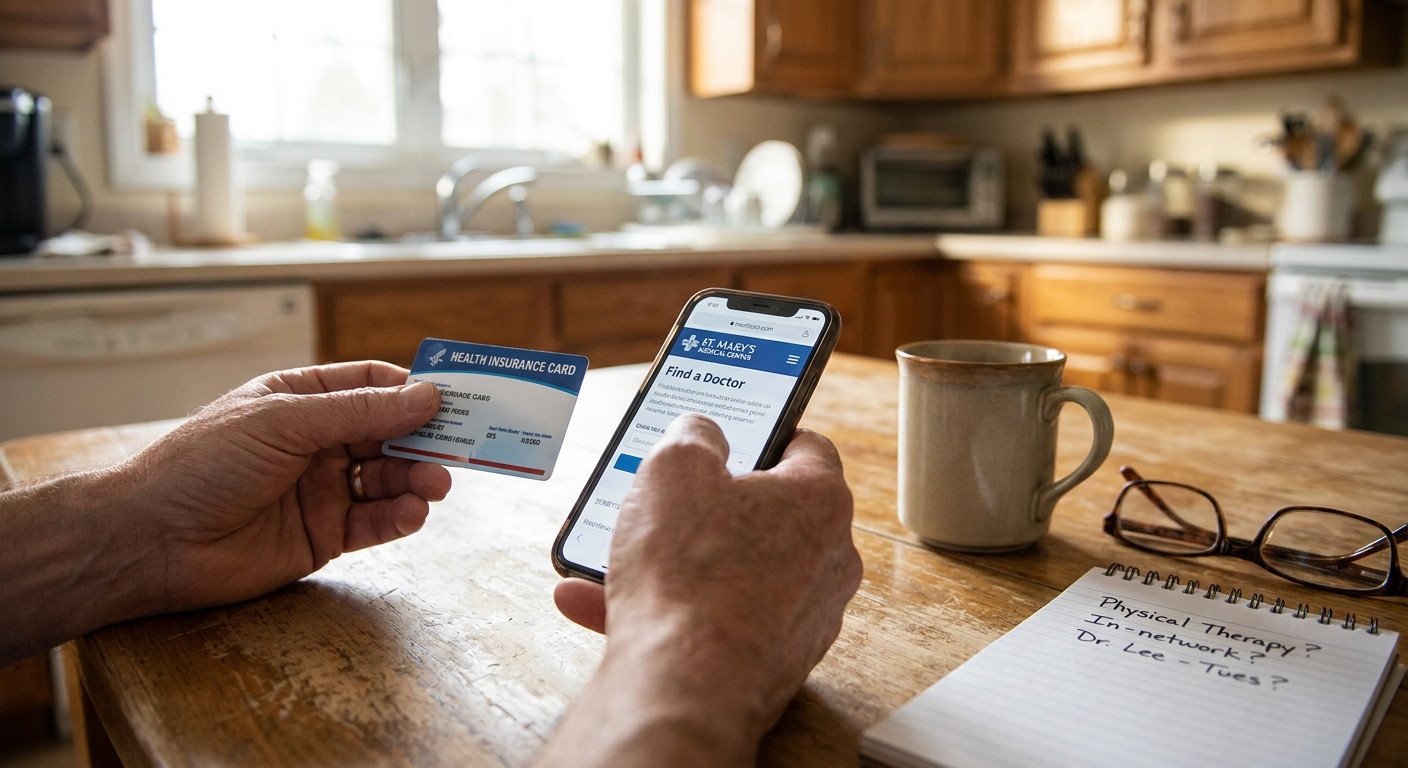
The money question gets answered before you start, too. Insurance verification for many commercial plans, including plans through BCBS, Aetna, Cigna, and UHC, is completed before treatment begins, so you know where you stand instead of guessing. What you will not find here is a standalone job-referral checklist bolted onto a program that does not know your name. What you will find is one coordinated plan where housing, legal coordination, MAT, therapy, and employment are designed to reinforce each other. We are here to support you every step of the way, and that includes the step where you clock back in.
Frequently Asked Questions
Can I keep my job while attending outpatient treatment in Fair Lawn?
Often, yes. If FMLA or temporary disability applies to you, your case manager coordinates the paperwork with your prescriber and follows the correct protocol so you may be able to attend IOP sessions without losing your position. The team sets aside enough time in your schedule to hold your job and stay in treatment at the same time. Individual eligibility and outcomes vary.
How long does it take to get a job through Resilience Recovery Center?
Some clients spend about 30 days in treatment before job placement. The timeline is individualized, tied to your clinical readiness and where you are in your recovery journey, because returning to work at the right moment may support your progress rather than threatening it. Individual results vary.
What if I have a criminal record or employment gaps?
The career screening and testing process considers your legal history to avoid placements that would set you up to fail, and the employer contracts are with businesses that hire people with disabilities and gaps in work history. Reentry support is built in for this situation, though outcomes depend on individual circumstances.
Do you just give me a list of job websites, or actually place me in a job?
Actual placement efforts. Resilience secures interviews with local employers, many within walking distance, and provides transportation to and from your first job in the early weeks. This is direct placement, not a referral to a third-party agency. Individual job placement outcomes vary.
Is vocational support part of treatment or something I add on later?
It is part of treatment. Vocational support recovery in Fair Lawn begins during your first week in OP or IOP and is integrated with your MAT coordination, therapy, and case management plan from the initial assessment forward.
Who delivers the job placement services at Resilience Recovery Center?
A dedicated life coach and an experienced case manager, working directly with the clinical team, including the Clinical Director, who is a Licensed Clinical Alcohol and Drug Counselor (LCADC) with the Certified Clinical Supervisor (CCS) credential.
Call Resilience Recovery Center in Fair Lawn to verify your insurance and schedule an intake assessment that includes vocational planning from day one. Ask one specific question when you call: how the FMLA or temporary disability paperwork for your situation would be handled, and when job placement would begin relative to your first week of treatment. That answer will tell you exactly what protecting your livelihood may look like from here.
Take the Next Step Toward Meaningful Work
If you’re ready to rebuild your career while strengthening your recovery, you don’t have to figure it out alone. Resilience Recovery Center in Fair Lawn connects clinical support with practical vocational guidance designed for where you are right now. Whether you’re exploring what’s possible or ready to move forward, a conversation can help clarify your path.