
Understanding drug and alcohol outpatient treatment
When you are exploring addiction help, drug and alcohol outpatient treatment gives you a way to get structured care while you continue living at home. Instead of staying overnight in a facility, you attend scheduled therapy and support sessions during the week, then return to your own environment after each visit. This model lets you work on recovery without stepping away from your job, family, or other responsibilities.
Outpatient programs are not simply “less treatment.” They use many of the same evidence-based services you would see in residential care, including individual therapy, group counseling, education, and relapse prevention planning. Research shows that, for many people, intensive outpatient care can have similar benefits to inpatient treatment, especially when your addiction is not medically severe or when you have a stable home environment [1].
At Resilience Recovery Center, your outpatient plan is designed around your life, your substance use history, and your mental health needs. You receive professional support, but you also practice new skills in real time at home, at work, and in your community.
How outpatient rehab works day to day
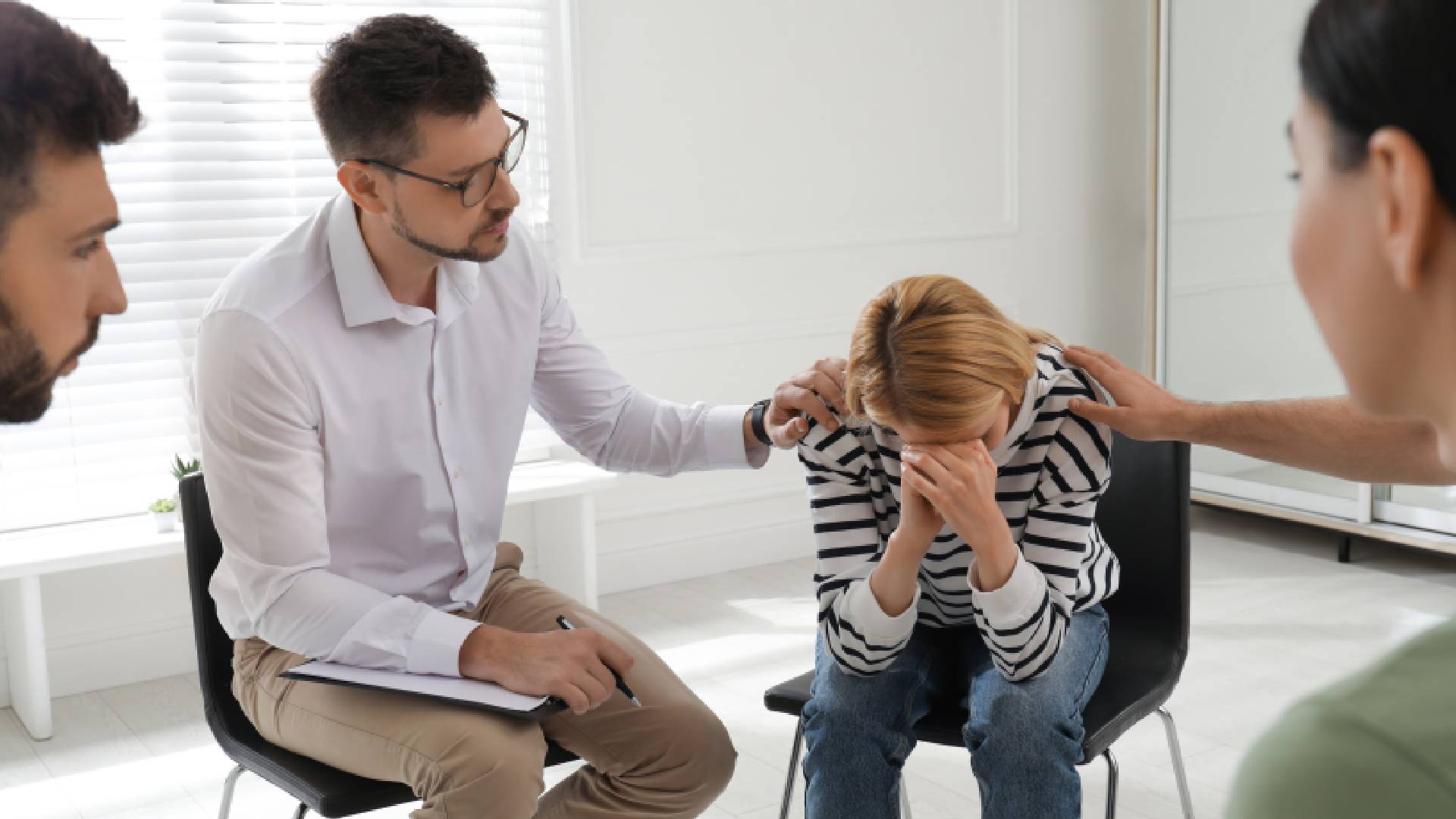
Outpatient rehab is structured so that you have predictable times each week focused entirely on your recovery. You attend a mix of individual counseling, group therapy, and educational or skills based sessions, then you go back to your regular routine. This rhythm lets you apply what you learn immediately, which can strengthen long term change.
Programs vary in intensity. Intensive outpatient programs (IOP) often meet 3 days per week for about 3 hours per day, while partial hospitalization programs (PHP) may meet 5 days per week for about 5 hours per day to help you transition from inpatient care to everyday life [1]. Less intensive options might meet 1 to 3 times a week for shorter sessions [2].
At Resilience Recovery Center, your schedule is built around when you are most available, including evening options when possible. Your clinicians coordinate your services so that you are not just attending sessions, you are moving through a clear treatment plan with goals, progress checks, and ongoing adjustments.
Key components of outpatient care
A high quality drug and alcohol outpatient treatment program brings together medical, psychological, and practical supports. You are not left to “figure it out” alone between sessions. Instead, you receive a coordinated blend of services that address both substance use and the issues that sit underneath it.
Common elements include:
- Individual counseling focused on your history, triggers, and goals
- Group therapy that gives you peer support and accountability
- Education about addiction, brain changes, and relapse warning signs
- Skills training for coping, communication, and stress management
- Recovery planning that covers housing, work, and support systems
Outpatient programs commonly use approaches like cognitive behavioral therapy, motivational therapy, and family or marriage counseling to help you build new patterns and address underlying causes of use [3]. At Resilience Recovery Center, you also have access to case management and referrals when you need help with employment, legal issues, or medical care.
For a closer look at structured services, you can explore how a structured outpatient rehab program is organized to support you step by step.
Levels of outpatient rehab and who they fit
Not every outpatient program looks the same. The right level for you depends on your substance of choice, your medical and mental health history, and how stable your home environment is.
Standard and intensive outpatient programs
Traditional outpatient care typically involves 1 to 3 visits per week for therapy and education [2]. This level can be a good fit if you:
- Have mild to moderate substance use concerns
- Have completed detox or residential care and need ongoing support
- Live in a stable home with supportive people around you
Intensive outpatient programs (IOP) provide at least 9 hours of care each week, often across 3 or more days [4]. They are designed for you if you need more structure, but still do not require 24/7 supervision.
Partial hospitalization and higher intensity
Partial hospitalization programs (PHP) are the most intensive outpatient level, often meeting 5 days a week for about 5 hours each day [1]. This option can help you step down safely from inpatient care, or stabilize serious symptoms when you do not need an overnight stay.
Different levels of outpatient intensity make it possible for you to move up or down in support as your recovery progresses [5]. At Resilience Recovery Center, your team continually reassesses which level fits your current needs and adjusts your plan accordingly.
If you want to understand how these services are organized, reviewing an outpatient recovery program for addiction can help you see what a full continuum of care looks like.
When outpatient treatment is the right choice
Outpatient rehab is not right for everyone, but it can be an ideal fit in several situations. Understanding where you are can help you decide if this level of care matches your needs.
You might be a good candidate for outpatient care if you:
- Can maintain basic safety at home
- Have low to moderate risk for severe withdrawal
- Have transportation and are able to attend appointments consistently
- Live with people who support your recovery or are at least neutral
- Are motivated to change and willing to engage in therapy
Guidelines from the British Columbia Ministry of Health note that, for opioid use disorder, withdrawal management can often be provided more safely in outpatient settings, and that slower outpatient tapers may be preferable to rapid inpatient tapers for some individuals [6]. At the same time, outpatient rehab is generally not suitable if you have severe addiction, high risk of dangerous withdrawal, very limited support, or complex medical or psychiatric issues that need 24 hour monitoring [7].
At Resilience Recovery Center, your intake assessment looks closely at these factors so that you receive the safest and most effective level of care, whether that is outpatient, a referral to inpatient, or a combination of both.
Therapy and relapse prevention while you live at home
One of the strongest advantages of drug and alcohol outpatient treatment is that you learn relapse prevention skills in the same environment where you face your triggers. You practice how to handle stress, cravings, and relationship conflict in real time, then bring challenges back to therapy for honest feedback and new strategies.
In outpatient care, relapse prevention is not just a single class or worksheet. It is woven into:
- Individual sessions, where you map your personal warning signs
- Group discussions, where you hear how others manage urges and setbacks
- Education modules, where you learn about brain chemistry and cues
- Aftercare planning, where you build a support system for the months after formal treatment
Outpatient programs often emphasize ongoing support groups, such as AA, NA, or SMART Recovery, as an important part of staying on track after you complete treatment [1]. At Resilience Recovery Center, your discharge plan includes specific meetings, follow up appointments, and coping tools so you are not left on your own the day your program ends.
If you want services targeted to specific substances, options like a drug addiction outpatient program or an alcohol addiction outpatient treatment can help you focus directly on the patterns and triggers tied to what you use.
The role of medications and medical support
For many people, medications are a crucial part of outpatient addiction treatment. Medications for Substance Use Disorders, often called MSUD, include options such as methadone, buprenorphine, and naltrexone for opioid use disorder, which are usually used together with counseling to improve outcomes [3].
In outpatient rehab, medication can help you:
- Ease withdrawal symptoms
- Reduce cravings so you can focus on therapy
- Lower the risk of relapse for certain substances
- Stabilize co occurring mental health conditions
Outpatient alcohol treatment also often involves medications like methadone and buprenorphine when opioid use is part of your history, and these are combined with behavioral interventions that are tailored to your specific diagnosis [2]. Long term use of some medications can support relapse prevention and withdrawal management when combined with ongoing counseling [2].
At Resilience Recovery Center, medical professionals evaluate which medications, if any, are appropriate for you. Your treatment team coordinates your prescriptions, monitors side effects, and keeps your therapy team informed so your medical and counseling plans work together.
Flexibility that fits around your life
One of the main reasons you might choose outpatient care is the flexibility. Outpatient rehab allows you to live at home or in a sober living environment while continuing to work, attend school, and care for loved ones. This model often costs less than inpatient treatment, and many insurance plans, including Medicaid, Medicare, and Affordable Care Act coverage, recognize and cover outpatient services [5].
Programs can range from a few hours per week to daily attendance, often with evening or weekend sessions so you can keep your job. Many people continue working during outpatient rehab, and the Family and Medical Leave Act may provide job protection if you need time away during regular hours for care [4].
Telehealth is also increasingly part of outpatient services. Outpatient treatment, including counseling for drug and alcohol use, can often be done virtually, which is especially useful if you have transportation challenges or live far from the clinic [3]. At Resilience Recovery Center, online sessions can supplement your in person work, giving you more options to stay engaged even when life is busy.
If you want to see how a flexible model is organized, you can review how an outpatient rehab for substance abuse is structured to balance accountability with real world demands.
Cost, insurance, and access to care
Affordability is often a major concern when you are considering treatment. Outpatient rehab typically costs less than inpatient treatment, largely because you are not paying for overnight lodging and 24 hour staffing. Some intensive outpatient programs may still be a significant expense, but insurance often covers a considerable portion, and overall outpatient care is usually more financially accessible [4].
Most insurance plans, including public options, cover outpatient drug and alcohol treatment. Providers like American Addiction Centers report accepting a wide range of private and public plans to help fund care [5]. At Resilience Recovery Center, staff can verify your benefits, explain your out of pocket costs, and work with you on payment options before you begin.
If you do not have insurance, national resources like SAMHSA’s free, confidential helpline can connect you to state funded programs or facilities that use sliding fee scales [8]. The same helpline can provide referrals to local outpatient treatment facilities and support groups so that cost is less of a barrier to getting help.
How Resilience Recovery Center structures your outpatient care
Resilience Recovery Center focuses on providing drug and alcohol outpatient treatment that is both clinically strong and practically realistic. Your experience starts with a comprehensive assessment that looks at your substance use history, mental health, physical health, family situation, and daily responsibilities. From there, you and your team build a plan with clear goals.
Your outpatient care includes:
- One on one therapy sessions to address personal issues and trauma
- Group therapy to build connection and mutual accountability
- Education about addiction, coping strategies, and healthy routines
- Relapse prevention planning and skill building
- Family involvement when appropriate, often through joint sessions
Family therapy is frequently part of outpatient treatment, because addiction affects everyone in the household. These sessions help your loved ones understand the medical, behavioral, and psychological aspects of addiction, and they give your family tools to support recovery rather than unintentionally reinforce old patterns [4].
Resilience Recovery Center also prioritizes behavioral health integration, similar to what you see in a behavioral health outpatient treatment program. If you live with anxiety, depression, PTSD, or another condition alongside substance use, your treatment plan will address both, not just one or the other.
For focused support, you can engage with services like a behavioral health outpatient addiction program or an addiction counseling outpatient program designed to target specific aspects of your experience.
Alcohol specific outpatient options
If alcohol is your main concern, you may want services that directly address alcohol use disorder and its impact on your life. Outpatient alcohol treatment often combines medical support, such as detox medications when needed, with behavioral therapies and education tailored to alcohol’s effects on your brain and body [2].
At Resilience Recovery Center, alcohol focused services can include:
- Medically supervised outpatient detox when safe and appropriate
- Counseling on managing social situations where alcohol is present
- Strategies for dealing with stress and emotions without drinking
- Monitoring and support to help you maintain abstinence or meet specific drinking reduction goals
Outpatient alcohol treatment has been shown to be effective for many people with alcohol use disorder, though outcomes vary from person to person [2]. If you have already stopped drinking but want to avoid relapse, an alcohol recovery outpatient program can help you solidify new habits. If you are still drinking and want structured change, an alcohol use disorder outpatient treatment plan can offer a tailored path forward.
Drug specific outpatient options
When drugs are your primary concern, outpatient rehab needs to address both the physical and psychological aspects of use. Many outpatient programs include drug testing, medication management, and close monitoring, along with counseling and skills training [7].
Resilience Recovery Center offers:
- Assessment for appropriate medication support for opioids or other substances
- Education about overdose risk, tolerance, and safer choices in crisis periods
- Craving management skills, including urge surfing and alternative coping strategies
- Planning around high risk people, places, and situations
If you need focused counseling around drug use, options such as drug addiction outpatient counseling or a broader outpatient drug rehab program may be appropriate. Your team will work with you to understand which substances you use, how often, and why, so your plan addresses the specific realities you face.
Building long term support beyond formal treatment
Finishing an outpatient program is not the end of your recovery, it is another beginning. Long term change requires ongoing support, and a strong program prepares you for that before your last session.
Effective aftercare planning often includes:
- A schedule of support groups or peer recovery meetings
- Ongoing individual counseling or check ins
- Clear steps to follow when you notice early warning signs of relapse
- Connections to community resources, such as employment or housing support
Combining outpatient rehab with 12 step programs like AA or NA, or with continued therapy, is recommended to maintain motivation and personal growth over time [7]. At Resilience Recovery Center, your clinicians collaborate with you to build a realistic plan that fits your life instead of expecting you to maintain change by willpower alone.
If you want a structured way to continue your progress, services such as addiction therapy outpatient services or addiction recovery outpatient services can help you stay connected and supported.
Recovery does not require you to pause your entire life. With the right outpatient support, you can work on healing while you keep showing up for the people and commitments that matter to you.
Taking your next step toward help
If you are considering drug and alcohol outpatient treatment, you do not have to decide everything at once. Your next step can simply be a confidential conversation about what you are facing and what support might fit you best.
Resilience Recovery Center is built to provide affordable, evidence based outpatient care you can trust, with flexible scheduling, integrated mental health treatment, and a strong focus on relapse prevention and life skills. Whether you need an outpatient alcohol rehab program, an outpatient substance abuse treatment track for multiple substances, or a dedicated outpatient addiction treatment center to coordinate all aspects of your recovery, you will find a structured path that respects both your challenges and your potential.
If you are not sure where to start or need immediate referrals, you can also contact SAMHSA’s National Helpline, a free, confidential, 24/7 service that connects individuals and families to local treatment and support resources [8].
Reaching out is the first step. From there, outpatient treatment can help you build a life that is not organized around substances, but around your values, your relationships, and your future.