
What an addiction counseling outpatient program is
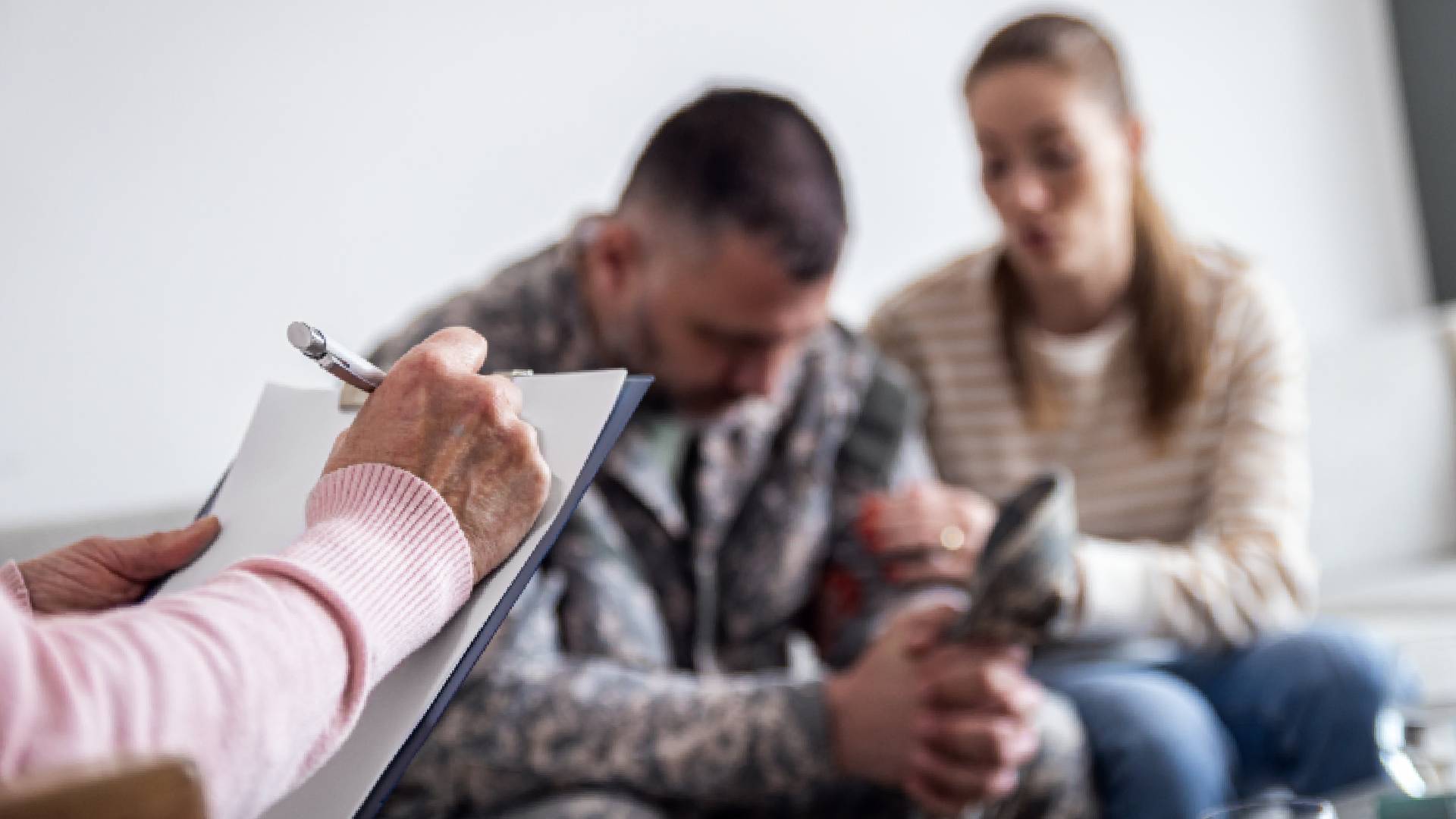
When you are exploring treatment, an addiction counseling outpatient program can give you structured support while you continue living at home. Instead of staying overnight in a facility, you attend scheduled therapy sessions during the week, then return to your regular responsibilities.
Outpatient addiction counseling is used in many levels of care. It can be a starting point for treatment, a step down from residential rehab, or part of long‑term continuing care. Programs commonly include individual counseling, group therapy, family sessions, and education on relapse prevention and healthy coping skills [1].
At Resilience Recovery Center, your outpatient care is tailored around your life. You get a clear treatment plan, consistent therapeutic support, and a team that understands you need both recovery and stability at home, at work, and in your relationships.
How outpatient counseling fits into the bigger picture of recovery
Substance use disorders are chronic health conditions. Relapse rates for drug and alcohol use, including among people in outpatient programs, are estimated at 40 to 60 percent, which is similar to other chronic illnesses such as hypertension and diabetes [1]. This does not mean treatment has failed. It means you need ongoing care and adjustment, not a one‑time fix.
An addiction counseling outpatient program plays several roles in this larger recovery picture:
- It can be your primary level of care if you have a stable home, lower medical risk, and strong motivation.
- It can follow a higher level of care, such as inpatient or intensive outpatient, to help you transition safely back into daily life.
- It can serve as long‑term maintenance, helping you stay accountable, manage stress, and respond early to warning signs of relapse.
Research shows that people do best when they complete the full course of treatment and then stay engaged in aftercare services, yet fewer than 43 percent of individuals who start treatment finish it [1]. A well designed outpatient program makes it more realistic for you to follow through, because it is built around your schedule instead of pulling you completely away from your life.
What you can expect in an outpatient program
Every center is different, but effective addiction counseling outpatient programs share several core elements.
Individual counseling focused on your story
In one‑on‑one sessions, you work with a licensed therapist or addiction counselor to explore:
- How your substance use began and what keeps it going
- Co‑occurring issues like anxiety, depression, or trauma
- Patterns in relationships, work, and daily life that increase your risk
- Strengths you already have that can support your recovery
Many programs use cognitive behavioral therapy and other evidence‑based approaches that help you recognize triggers, challenge unhelpful thoughts, and practice new responses [2]. The connection you build with your counselor, often called the therapeutic alliance, is a strong predictor of positive outcomes in addiction counseling outpatient programs [2].
Group therapy and peer support
Group sessions give you a place to hear from others who are working through similar challenges and to practice new skills in a safe environment. You might work on topics such as:
- Managing cravings
- Building healthy routines
- Setting boundaries in relationships
- Coping with shame, guilt, or anger
- Communicating your needs without substances
Peers can challenge you, encourage you, and remind you that you are not alone. At Resilience Recovery Center, group work is structured so you can share when you are ready, not before.
Family and relationship support
Substance use affects your loved ones, and their reactions often affect your recovery. Outpatient programs frequently include family sessions so you can:
- Repair communication and trust
- Educate your family about addiction as a health condition
- Set realistic expectations for early recovery
- Create boundaries that keep you and others safe
Bringing family into the process can make your home a more stable place to heal, which is especially important when you are not living in a residential facility.
Relapse prevention as a core focus
Because you are living in your usual environment, relapse prevention is central to outpatient care. You work with your treatment team to:
- Map out your personal triggers, both obvious and subtle
- Identify early warning signs that your recovery is getting shaky
- Build a practical response plan for high‑risk situations
- Practice refusal skills for social and work settings
- Develop a written relapse prevention plan you can return to when stress builds
Behavioral therapies are a common part of outpatient levels of rehab for substance use disorders and are specifically aimed at helping you make behavioral changes and prevent relapse [2].
Levels of outpatient care and how they differ
Outpatient services are not one size fits all. Understanding the levels can help you see where you might fit.
Intensive outpatient treatment (IOT)
Intensive Outpatient Treatment is typically considered Level II care. These programs usually run 6 to 30 hours per week over 3 to 5 days, for a recommended minimum of 90 days [3]. IOT focuses on:
- Structured programming multiple days per week
- Stage 1: engagement, helping you stay in treatment and commit to recovery
- Stage 2: early recovery, with intensive education, group activities, and skills practice [3]
IOT is often used when you need more structure than standard outpatient counseling but do not require 24‑hour supervision. It is also a common step down from residential treatment.
Standard outpatient programs
Standard outpatient or Level I programs usually involve 1 or 2 sessions per week, each 1 to 2 hours [3]. These sessions may include:
- Individual counseling
- Group therapy
- Medical or psychiatric appointments
- Family sessions
- Employment or case management support
Outpatient programs at this level emphasize long‑term follow‑up and continuing care to improve substance use disorder outcomes [3].
At Resilience Recovery Center, your care can move between levels as your needs change. The goal is to offer a seamless continuum so you can step down gradually while staying connected to support.
Medical and medication support while you live at home
You do not have to choose between strong medical support and the ability to sleep in your own bed. Many outpatient programs integrate medical and medication services into your weekly schedule.
When outpatient detox is appropriate
For some substances and situations, withdrawal can be managed safely as an outpatient through close medical monitoring. A narrative systematic review of alcohol detox services found that community based outpatient detoxification for adults with alcohol dependence had better completion rates and short term abstinence than inpatient care over one to two months, without significant differences in serious safety outcomes like seizures or suicidality [4].
Guidelines from the British Columbia Ministry of Health also recommend outpatient withdrawal management for most people with opioid use disorder, citing evidence that it is safer and less disruptive than inpatient care when properly supervised. A slow, supervised opioid agonist taper over more than one month is recommended for people who prefer to avoid long term opioid agonist treatment [4].
Not everyone is a candidate for outpatient detox. At Resilience Recovery Center, you receive a thorough assessment so that any withdrawal is managed in the safest setting for you.
Medication Assisted Treatment (MAT)
Medication Assisted Treatment combines approved medications with counseling and behavioral therapies. It is commonly used for:
- Opioid use disorders, including heroin and fentanyl
- Alcohol use disorders
MAT can reduce withdrawal symptoms and cravings and lower the risk of relapse, especially when it is paired with structured outpatient counseling [2].
Your provider will work with you to decide whether MAT is appropriate, how long to continue, and how it fits into your overall plan.
How outpatient programs support different substances
Your needs look different depending on whether you are struggling with alcohol, prescription medications, opioids, stimulants, or multiple substances. Outpatient programs are designed to adapt to those differences.
For alcohol concerns, you might enroll in an outpatient alcohol rehab program or alcohol addiction outpatient treatment. These services often include careful medical assessment, support for cravings, and long term planning for social and work situations where alcohol is present. If you have been diagnosed with alcohol use disorder, alcohol use disorder outpatient treatment gives you targeted help based on that diagnosis.
If your main concern is drugs, a drug addiction outpatient program or outpatient drug rehab program focuses on your specific substance, whether that is opioids, stimulants, or a combination. You might also benefit from drug addiction outpatient counseling that addresses both cravings and the emotional reasons you used in the first place.
Many people use more than one substance. In that case, a broader drug and alcohol outpatient treatment or outpatient rehab for substance abuse track can help manage the full picture rather than treating each substance separately.
Flexibility that supports your real life
One of the biggest advantages of an addiction counseling outpatient program is flexibility. You get structured care without having to step away from everything that matters to you.
Balancing work, family, and treatment
Outpatient schedules are designed to make treatment accessible. You may attend sessions in the mornings, evenings, or on specific days that fit around:
- Work or school obligations
- Parenting and caregiving responsibilities
- Transportation and commuting realities
At Resilience Recovery Center, you collaborate with your treatment team to build a schedule you can realistically maintain. This flexibility makes it more likely that you will attend consistently, which is important because outcomes improve when you complete the full course of care and remain engaged in aftercare [1].
Staying connected with your support system
Living at home while in treatment allows you to:
- Practice new skills in the same environment where you used substances
- Involve loved ones in therapy without major disruption to their lives
- Build sober routines in your own community, not just in a treatment setting
You are not expected to do this alone. A behavioral health outpatient addiction program or behavioral health outpatient treatment program can help you address both mental health and substance use, so you feel more grounded as you navigate daily stressors.
Structure and accountability that keep you on track
Flexibility does not mean a lack of structure. In fact, an effective structured outpatient rehab program maintains clear expectations and consistent accountability so you can build momentum.
You might experience structure through:
- A written treatment plan with specific goals
- Regular attendance requirements and check ins
- Random or scheduled drug and alcohol testing, when clinically appropriate
- Homework such as journals, worksheets, or real life experiments
- Coordination with other providers, such as your primary care doctor or psychiatrist
This kind of framework is especially important early on. Intensive outpatient programs often emphasize Stage 1 (engagement) and Stage 2 (early recovery) to help you stay involved, learn new skills, and develop habits that support abstinence and relapse prevention [3].
When you have completed the more intensive phases, you might step down into an outpatient recovery program for addiction or other addiction recovery outpatient services. These services keep you connected while giving you more room to live your life.
Integrated behavioral health care at Resilience Recovery Center
Addiction rarely occurs in isolation. Many people who seek a behavioral health outpatient addiction program also live with depression, anxiety, trauma histories, or other mental health conditions.
At Resilience Recovery Center, your outpatient care is built around integrated behavioral health principles. That means:
- Screening for co‑occurring mental health conditions
- Coordinating with psychiatric providers when medication is helpful
- Using evidence based therapies such as cognitive behavioral therapy and other behavioral approaches [2]
- Paying close attention to how mood, sleep, relationships, and physical health interact with your substance use
You can also access addiction therapy outpatient services and substance abuse therapy outpatient program tracks that focus more intensively on psychotherapy if that is what you need at a certain point.
Recovery is not only about stopping substances. It is about rebuilding a life that feels worth staying present for.
Long term support and aftercare planning
Because substance use disorders are chronic conditions, continuing care is critical. Clients who complete early stages of IOT often move into less intensive outpatient programs for maintenance, and then into community based supports for long term change [3].
At Resilience Recovery Center, aftercare is not an afterthought. From early in your treatment, your team helps you plan for:
- Ongoing individual or group counseling
- Peer support options such as 12 Step groups, SMART Recovery, or other communities
- Relapse response plans so you know what to do quickly if you slip
- Alumni or check in services that keep you connected to the program
Some organizations, such as American Addiction Centers, have recognized the importance of extended support and even offer 90 day treatment promises with additional outpatient services if relapse occurs [2]. While each provider is different, the principle is the same. Ongoing connection and responsive care improve your chances of sustaining change.
Accessing outpatient addiction counseling and support
If you are unsure where to start, you have options. SAMHSA’s National Helpline is a free, confidential service available 24 hours a day in English and Spanish that connects individuals and families to local treatment facilities, including addiction counseling outpatient programs [5]. In 2020 the helpline received 833,598 calls, a 27 percent increase over 2019, reflecting the growing need for treatment referrals [5].
If you prefer text, you can send your ZIP code to 435748 (HELP4U) to receive information and referrals for nearby addiction counseling outpatient programs and related supports [5].
Insurance is another common concern. Under the Affordable Care Act, most individual and small employer health plans are required to cover mental health and substance use disorder services, including outpatient addiction counseling and behavioral therapies [2]. The SAMHSA helpline can refer you to state funded programs or facilities that offer sliding fee scales or accept Medicare and Medicaid if you are uninsured or underinsured [5].
Why consider Resilience Recovery Center for outpatient treatment
When you choose an addiction counseling outpatient program, you are choosing the team that will walk with you through one of the most significant transitions of your life. At Resilience Recovery Center, you can expect:
- Flexible scheduling so you can maintain work, school, and family commitments
- A structured outpatient rehab program that still respects your independence
- Integrated outpatient substance abuse treatment that addresses both drugs and alcohol
- Specialized tracks, including outpatient alcohol rehab program, alcohol recovery outpatient program, drug rehab outpatient treatment, and more
- Coordinated behavioral health outpatient treatment program options when mental health concerns are present
- A step wise approach so you can move between intensive services and lighter addiction recovery outpatient services as your needs change
You do not have to choose between getting help and keeping your life together. With the right outpatient program, you can work, parent, care for yourself, and still receive comprehensive, evidence based care for addiction.
If you are ready to explore your options, reaching out for an assessment is a strong and practical next step. A thoughtful outpatient plan can give you the structure, flexibility, and ongoing support you need to build a sustainable recovery, on your terms.