
Individual Therapy for Recovery in Fair Lawn, NJ
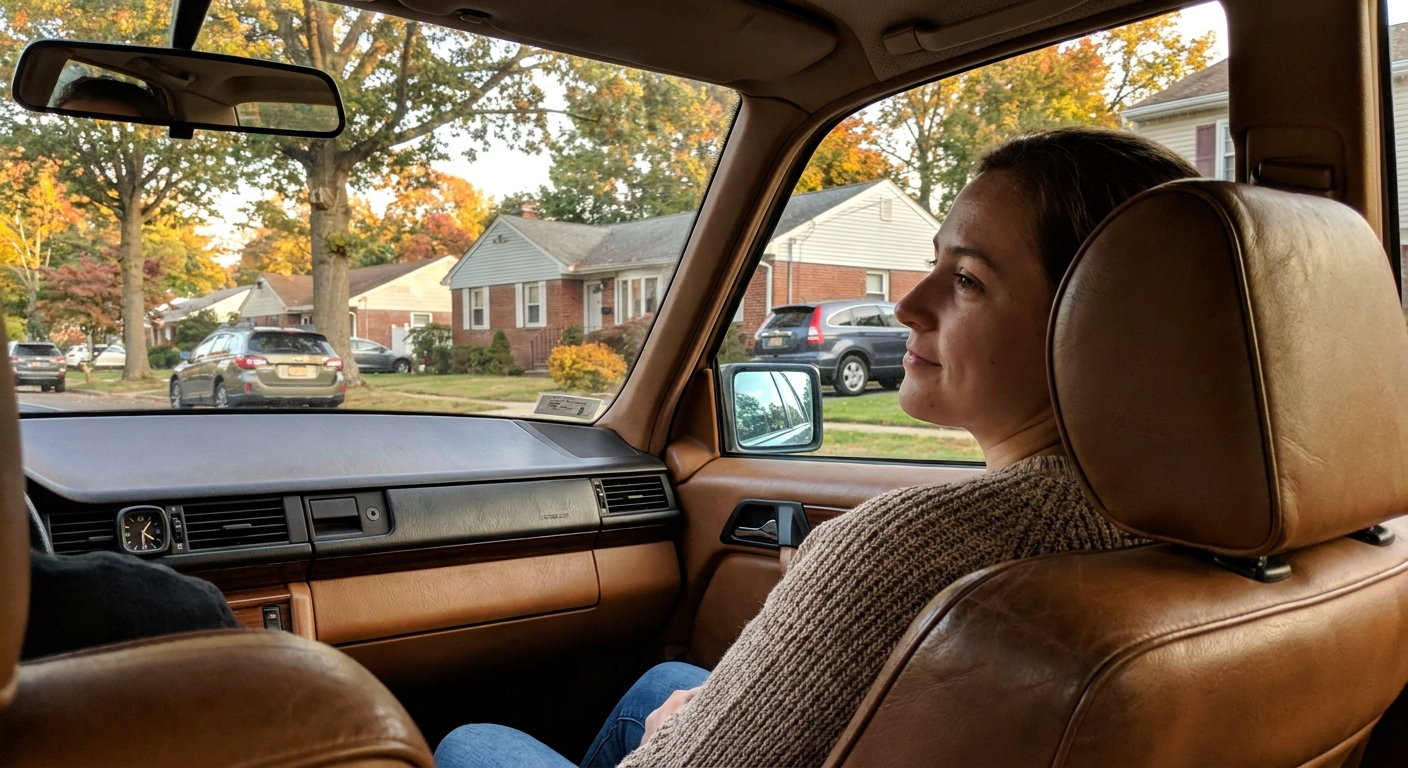
Your group therapist taught you how to identify distorted thinking patterns last Tuesday, but when you sat in your car outside your daughter’s school on Thursday afternoon with cravings hitting hard, you had no idea how to apply it to your own triggers. You knew the concept. You just could not use it in the one moment that mattered. That gap between knowing a skill and using it in your actual life is exactly what individual therapy in Fair Lawn is built to close. At Resilience Recovery Center, individual therapy exists to take the evidence-based tools you learn in group psychoeducation and help you apply them to the specific situations, relationships, and decisions only you face, coordinated with every other part of your plan so nothing works in isolation.
What Individual Therapy for Recovery Actually Does That Group Cannot
Individual therapy for recovery is one-on-one clinical work that translates general recovery skills into your personal circumstances, guided by a licensed therapist who knows your history, your triggers, and your treatment goals. It is not a repeat of group. It is the place where group learning may become usable for you.
Group programming is where you learn the framework. In a psychoeducational group you learn how cognitive behavioral techniques help you spot distorted thinking, how the brain’s reward system reshapes cravings, and how relapse prevention planning works in principle. That foundation matters. But a group of eight people cannot slow down to work through the exact argument you had with your spouse last week, the specific memory that surfaces when you drive past a certain intersection, or the private worry you have about your medication. Those belong in a room with one clinician who has the time and confidentiality to go deep.
Consider the difference in practice. In group you might learn a structured method for challenging automatic thoughts. In your individual session, your therapist helps you name your own automatic thought, the one that tells you a single drink will steady your nerves before a shift, and then works with you to build a response you might reach for when it hits. The group taught the tool. The individual session fits it to your hand. This is what personalized treatment means at an operational level: your sessions are guided by a comprehensive assessment, your stage of recovery, your co-occurring conditions, and your goals, not a fixed script applied to everyone who walks through the door.
How Does Individual Therapy Connect to the Rest of Your Treatment Plan?
Your individual therapist does not work in a vacuum. Sessions coordinate directly with your group programming, your psychiatric care, Medication Assisted Treatment coordination when it applies to you, and your case management, through regular communication among the multidisciplinary treatment team.
Here is what that coordination looks like in real terms. Your therapist reviews your progress with the treatment team, which includes psychiatric providers, a certified case manager, and peer recovery specialists. When your case manager is working on housing or a vocational referral, your therapist knows, because those practical stressors show up in session and affect your recovery. When you are receiving Medication Assisted Treatment, your therapist communicates with your prescriber about adherence, side effects, cravings, and progress, reinforcing the philosophy that medication supports recovery but does not replace the behavioral work, personal accountability, and lifestyle change that recovery involves. Every discipline pushes toward the same goals rather than pulling in different directions.
The structure that keeps this honest is a formal clinical review every 30 days. The treatment team completes a review using the dimensions from the American Society of Addiction Medicine criteria to reassess where you are and whether your level of care still fits. If you are stabilizing and ready to step down, the plan adjusts. If a new stressor is destabilizing you, the plan tightens. This matters for a working adult because it means your care is not frozen at the intensity you needed on day one. It moves with you. SAMHSA describes integrated treatment for co-occurring substance use and mental health conditions as addressing both conditions together rather than in separate, disconnected systems, and coordinated individual therapy is how that integration reaches your specific case rather than staying an abstract principle.
The Evidence-Based Approaches Your Therapist Chooses and Why They Fit You
Your therapist draws from Cognitive Behavioral Therapy, Dialectical Behavior Therapy-informed interventions, Motivational Interviewing, solution-focused therapy, relapse prevention counseling, and trauma-informed care principles, and the choice is driven by your assessment rather than a one-size-fits-all curriculum. No single method is applied to everyone.
The selection follows an ASAM-informed biopsychosocial assessment that looks at your presenting needs, your motivation for change, your cognitive functioning, your emotional regulation, and your individual treatment goals. If ambivalence about recovery is where you are stuck, Motivational Interviewing does the early work of exploring that ambivalence and strengthening your own reasons for change. If your thinking patterns drive your relapse risk, CBT-based relapse prevention gives you a structured way to identify triggers, challenge high-risk thoughts, and manage cravings. If emotional dysregulation is fueling the substance use, DBT-informed coaching in individual sessions works on distress tolerance, emotional regulation, and interpersonal effectiveness based on situations unique to your life.
This approach also handles co-occurring conditions inside the same relationship rather than shipping you off to a separate track. Depression, anxiety, PTSD, bipolar disorder, grief and loss, adjustment disorders, stress-related disorders, and emotional dysregulation are addressed alongside the substance use disorder, because in real life they are tangled together. When specialized trauma work extends beyond what outpatient care can responsibly provide, you are referred to an appropriate trusted specialist so you get the right level of care. That transparency is part of clinical excellence, not a limitation hidden from you. NIH-supported research has examined these behavioral therapies as components of substance use disorder treatment, and your therapist adapts them as you progress rather than delivering a fixed protocol.
What You Can Work Through One-on-One That a Group Room Cannot Hold
Individual therapy is where the personal material lives: your own trauma narrative, your family-of-origin patterns, your private concerns about medication, the legal stress weighing on you, and the specific relationship conflicts that a shared group cannot slow down to address. These are the pieces of recovery that require privacy, time, and a therapist who knows your full story.
Think about what a working adult in recovery is actually carrying. There may be a childhood you have never fully talked about that still shapes how you handle stress. There may be a marriage under strain, a co-parenting arrangement full of friction, or a parent whose expectations still trigger old patterns. There may be a court date, a probation requirement, or a pending FMLA or temporary disability question at work that sits in your chest during every group. None of that can be safely opened in a psychoeducational group and then left unfinished when the session ends. Individual therapy holds it.
A concrete example makes the point. Suppose you learned distress tolerance skills in a DBT skills group. In your individual session, your therapist helps you map those skills onto the exact chain of events that led to your last relapse: the argument, the drive, the specific thought, the moment you decided. Together you build a personalized plan for that pattern, so the next time the chain starts you have an intervention to consider, not just a worksheet. This is where medication concerns get addressed too. If you are worried about a Suboxone shot, side effects, or how long you will stay on a medication, your therapist explores it with you and coordinates with your prescriber, so your concerns become part of the treatment rather than a silent reason you quietly stop showing up.
Who Will Provide Your Individual Therapy and What Qualifies Them
Your individual therapy is provided by licensed therapists who hold dual credentials, including combinations of LCADC, LAC, and LSW, with clinical oversight from a Clinical Director who is an LCADC with a CCS and 20 years of experience. This is the credential structure a family verifying a program’s legitimacy should look for.
The clinical team extends beyond your therapist. There is a Medical Director who is an MD and psychiatrist, certified case managers, and CADC peer recovery specialists who understand recovery from the inside. This range of credentials is what allows individual therapy to coordinate with psychiatric care and case management under one roof rather than scattering you across disconnected providers. Modality selection and treatment planning are grounded in that clinical depth, not left to whoever happens to be available.
The regulatory foundation matters just as much as the letters after a clinician’s name. Resilience Recovery Center operates as a New Jersey Department of Health licensed outpatient substance use disorder treatment provider, under the regulations of the Division of Mental Health and Addiction Services that govern outpatient addiction treatment. Your sessions and records meet confidentiality standards under HIPAA and the stricter federal protections of 42 CFR Part 2, which specifically safeguard substance use disorder treatment information. In the interest of honesty, the center is currently pursuing national accreditation and is not yet accredited by CARF or The Joint Commission. Stating that plainly is part of treating you with respect for human dignity rather than inflating credentials to win your trust.
How Does Individual Therapy in Fair Lawn Fit Around Your Job and Family?
Individual therapy in Fair Lawn is scheduled around your employment and family responsibilities, coordinated with either a morning track running 9:00 AM to 12:00 PM or an evening track running 6:00 PM to 9:00 PM, with psychiatric appointments, medication management, and case management arranged around your availability. The goal is to remove the scheduling barriers that quietly end so many recovery attempts.
For a working adult in Fair Lawn, the barriers are specific and real. You may commute along Route 208 to a job in a neighboring town. You may have a probation or family court obligation you cannot afford to miss. You may be managing childcare or eldercare on top of a full shift. A program that only meets during standard business hours forces an impossible choice between recovery and the responsibilities you are fighting to protect. Structured support that fits a real schedule is what lets you get help without stepping away from your life.
That is why the center coordinates the whole plan around your availability. Your individual sessions, psychiatric follow-ups, and case management appointments are arranged so you can attend consistently, and when transportation, work, or a temporary health issue would otherwise interfere, telehealth for individual counseling and select services may be incorporated when clinically appropriate and permitted by insurance. Your case manager can loop in vocational support, housing options within the recovery-oriented living network, and legal coordination so you are not navigating those systems alone. The Fair Lawn location offers proximity and a human scale without the institutional feel of a large regional facility. This is whole-person care built for the way you actually live, so consistent recovery is possible while you keep your job, your home, and your family intact.
Frequently Asked Questions
How is individual therapy different from group therapy in my treatment plan?
Group teaches you the evidence-based techniques and the framework of recovery. Individual therapy helps you apply those techniques to your personal triggers, trauma, relationships, and decisions through one-on-one work, so the concepts you learn in a room of peers may become skills you can use in your own life.
Will my individual therapist know what my psychiatrist and case manager are doing?
Yes. Your therapist communicates regularly with the multidisciplinary treatment team to review progress, coordinate around medication adjustments, and align clinical goals with case management, so every part of your plan works toward the same direction.
What co-occurring mental health conditions can be treated in individual therapy alongside my substance use disorder?
Depression, anxiety, PTSD, bipolar disorder, grief and loss, adjustment disorders, stress-related disorders, and emotional dysregulation are addressed alongside the substance use disorder, integrated throughout treatment rather than treated as a separate track.
Can I schedule individual therapy sessions around my job in Fair Lawn?
Yes. Individual therapy, psychiatric appointments, and case management are coordinated around your employment and family commitments, with morning programming from 9:00 AM to 12:00 PM and evening programming from 6:00 PM to 9:00 PM available Monday through Friday.
What credentials do the individual therapists at Resilience Recovery Center have?
Licensed therapists are dual credentialed, holding combinations of LCADC, LAC, and LSW, with clinical oversight by a Clinical Director who is an LCADC with a CCS and 20 years of experience, supported by an MD psychiatrist as Medical Director.
How does individual therapy coordinate with Medication Assisted Treatment if I am receiving it?
Your therapist communicates with your prescriber about adherence, side effects, cravings, and progress, so medication and behavioral interventions support the same recovery goals. The consistent message is that medication supports recovery but does not replace therapy and personal accountability.
Recovery does not require you to disappear from your own life. If you are ready to see how one-on-one work fits into a plan built around your job and your family, call Resilience Recovery Center at [phone number] to schedule an intake assessment and learn how individual therapy will integrate with your outpatient or IOP plan in Fair Lawn.
Ready to Take the Next Step in Your Recovery?
Individual therapy offers a private space to work through the challenges that matter most to you, and finding the right support in Fair Lawn doesn’t have to feel overwhelming. If you’ve been wondering whether focused, one-on-one care could help you move forward, our team at Resilience Recovery Center is here to listen and answer your questions. You deserve compassionate guidance tailored to where you are right now.
Call Resilience Recovery Center
Individual experiences vary. Recovery outcomes differ from person to person and depend on many factors including personal commitment, support systems, and individual circumstances.